The Mental Game in Youth Baseball: What Coaches Need to Know
Frederik Hvillum
How to coach the mental side of youth baseball. Handling failure at the plate, building confidence, managing pressure, and using video to support mental development.
Baseball is the only major team sport where failure is built into the structure of the game. A hitter who succeeds three times out of ten is considered excellent. A pitcher who throws four balls in a row every few innings is performing well. Young players who have not yet developed a framework for processing failure will struggle not because of their technique but because of how they respond when things go wrong.
This guide covers the mental skills that matter most in youth baseball, how to coach them at different age groups, and how video footage helps players build the self-awareness that mental development depends on. For a broader look at coaching youth baseball, see the youth baseball coaching guide.
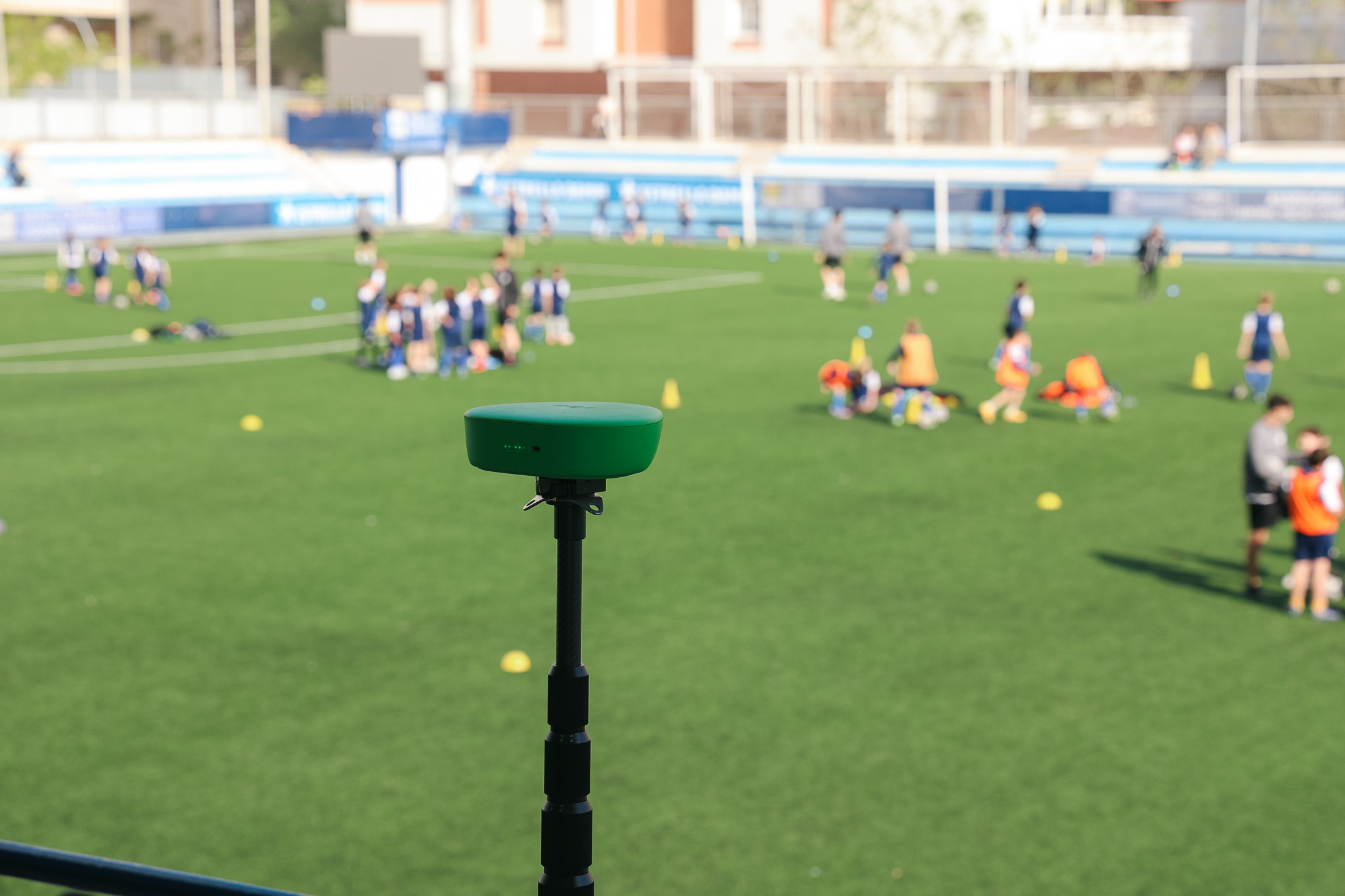
Record every at-bat and pitching stint with Veo Go
Set up in under 2 minutes. No operator needed. Full footage ready for review the same evening.
.jpg)
Why the mental game matters more in baseball than most sports
In soccer or basketball, a mistake is quickly buried under the next play. Baseball is different. Between each pitch, the player stands alone with their thoughts. Between at-bats, a hitter sits in the dugout for 20 minutes processing the strikeout they just had. A pitcher who gives up a home run has to throw the next pitch 10 seconds later from the same mound.
The pauses are what make baseball mentally demanding. They give players time to think, which is useful when thinking is productive and destructive when it is not. Coaching the mental game in baseball means teaching players what to do with those pauses.
Four mental skills underpin performance in youth baseball:
- Process focus. Staying present on the next pitch rather than the last at-bat.
- Reset ability. Recovering quickly from mistakes without carrying them forward.
- Confident body language. Maintaining composure that teammates and opponents can see.
- Competitive routine. Using pre-pitch habits to create consistency under pressure.
Handling failure at the plate
A strikeout is the most psychologically loaded moment in youth baseball. The player walks back to the dugout alone. Everyone saw it. The next at-bat is coming.
How coaches respond in the 30 seconds after a strikeout shapes how the player processes it. Three approaches that help:
The two-second rule
Teach players to allow themselves two seconds of frustration, then let it go physically. A controlled exhale, a tap of the helmet, a deliberate first step toward the dugout. The physical reset signals the brain that the moment is over. Players who hold their frustration in their body carry it forward. Players who have a physical release move past it faster.
Coaching cue: "Two seconds, then it is done. Walk into the dugout like you are coming up to hit again right now."
What to say and what not to say
The most common mistake coaches make after a strikeout is providing technical feedback immediately. Technical feedback belongs in practice, not in the dugout after a strikeout in a game. What works instead: acknowledge the difficulty without dwelling on it. "Tough at-bat. You will get him next time" gives the player permission to move on.
The next pitch mentality
Teach players, particularly from U10 upward, the concept of the next pitch. The previous pitch cannot be changed. The next pitch has not happened yet. The only thing the player controls is their preparation for it. This is a practical cognitive tool that reduces rumination and brings focus back to the present.
The mental game for pitchers
Mound presence
Mound presence is the combination of body language, routine, and composure that tells teammates the pitcher is in control. Young pitchers can learn to walk back behind the mound slowly, take a breath, set their grip, and step back onto the rubber with the same routine every time, regardless of what just happened.
Coaching cue: "Every time you step off the mound, take one breath. Then step back on ready to throw a strike."
For technical drill work that gives pitchers the physical foundation mound presence builds on, see the youth baseball pitching drills guide.
The short memory
A pitcher who gives up a home run needs to forget it before the next batter steps in. Practising a short memory is literal: a physical gesture (tap the glove, look at the outfield, reset the grip) that the pitcher uses as a consistent break between what just happened and what is about to happen.
%20(1).jpg)
See how your pitchers respond under pressure
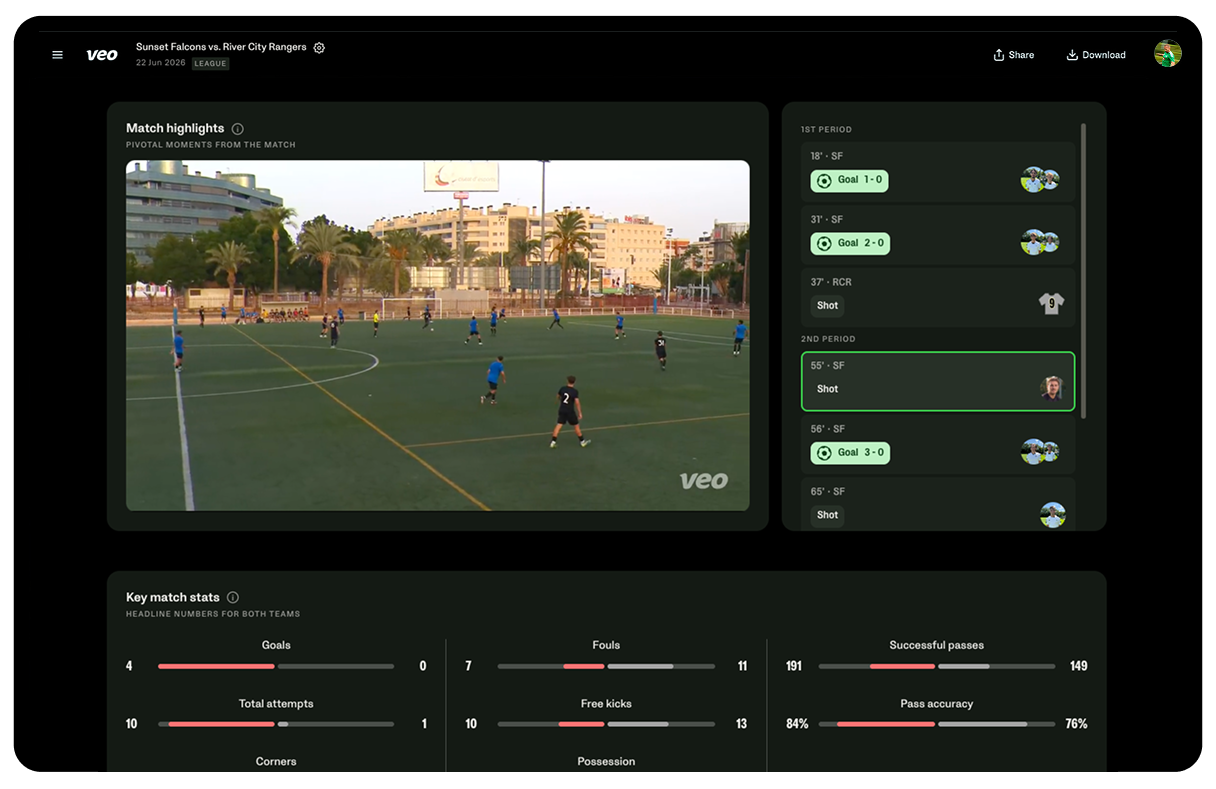
More than 40,000 clubs across 100 countries use Veo to store and share footage, with over 4 million matches filmed on the platform (Veo internal data, 2026). Veo Go records every inning automatically so coaches can review mound presence, body language, and reset routines after the game.
Building confidence in young hitters
Confidence in hitting is not a personality trait. It is the product of two things: enough successful repetitions to trust the swing, and a mental framework that does not collapse when the swing fails in a game. Both are coachable.
Practice quality matters more than practice quantity
A player who takes 200 swings in a batting cage without focus builds repetition but not confidence. A player who takes 50 swings with a clear intention builds a specific habit they can trust in a game. Quality reps in practice transfer to confidence at the plate. Mindless reps do not.
The confidence anchor
Teach hitters to identify one swing from the previous session or game that felt exactly right. Before an at-bat, the player calls up that specific memory and takes a practice swing that replicates it. This works best when players have access to footage of themselves hitting. Seeing a strong at-bat on video creates a clearer memory anchor than trying to recall the feeling from muscle memory alone.
Mental skills by age group
- U8–U10: Keep it simple and positive. Praise effort and attitude explicitly. Do not analyze failures after games. Introduce the two-second rule as a fun habit, not a coaching point.
- U11–U12: Introduce the next pitch concept and simple pre-pitch routines. Keep language concrete: 'One pitch at a time' is better than 'stay in the process.'
- U13–U14: All four mental skills are appropriate. Introduce video review as a tool for building self-awareness. Players who can watch themselves and identify what their body language communicates develop faster than players who receive only verbal coaching.
How video footage supports mental development
Mental skills are hard to coach because they are invisible during the game. Video changes this. Coaches using Veo Go review footage between sessions to observe body language patterns across a full game. A pitcher who walks off the mound with slumped shoulders after every strikeout shows a pattern that a coach watching live might miss. The footage makes it visible and discussable.
For players aged 12 and above, reviewing their own footage is a direct mental development tool. A player who watches themselves reset confidently after an error and then make the next play correctly sees their own mental resilience in action.
For year-round drill work that builds the physical foundation mental confidence depends on, see the indoor baseball drills guide.
Film your next game with Veo Go
Set up in under 2 minutes. No operator needed. Review body language, mound presence, and at-bat reactions the same evening.
Related reading
.jpeg)



.jpeg)