Youth Lacrosse Defense Drills: A Coaching Guide
Frederik Hvillum
The best youth lacrosse defense drills for coaches. Body position, on-ball defense, slide packages, zone defense, and clearing, with age guidance and coaching cues.
Defense in youth lacrosse is often an afterthought. Coaches spend the majority of practice time on stick skills and offensive patterns, and defensive work gets compressed into the last ten minutes of a session. The teams that win at youth level and the players who develop into strong collegiate prospects are consistently the ones where defense is coached deliberately and drilled systematically from an early age.
This guide covers five defensive drills for youth lacrosse coaches, progressing from individual body position and footwork to team slide packages and clearing under pressure. Each drill includes coaching cues, age guidance, and notes on what video review reveals that live coaching misses.
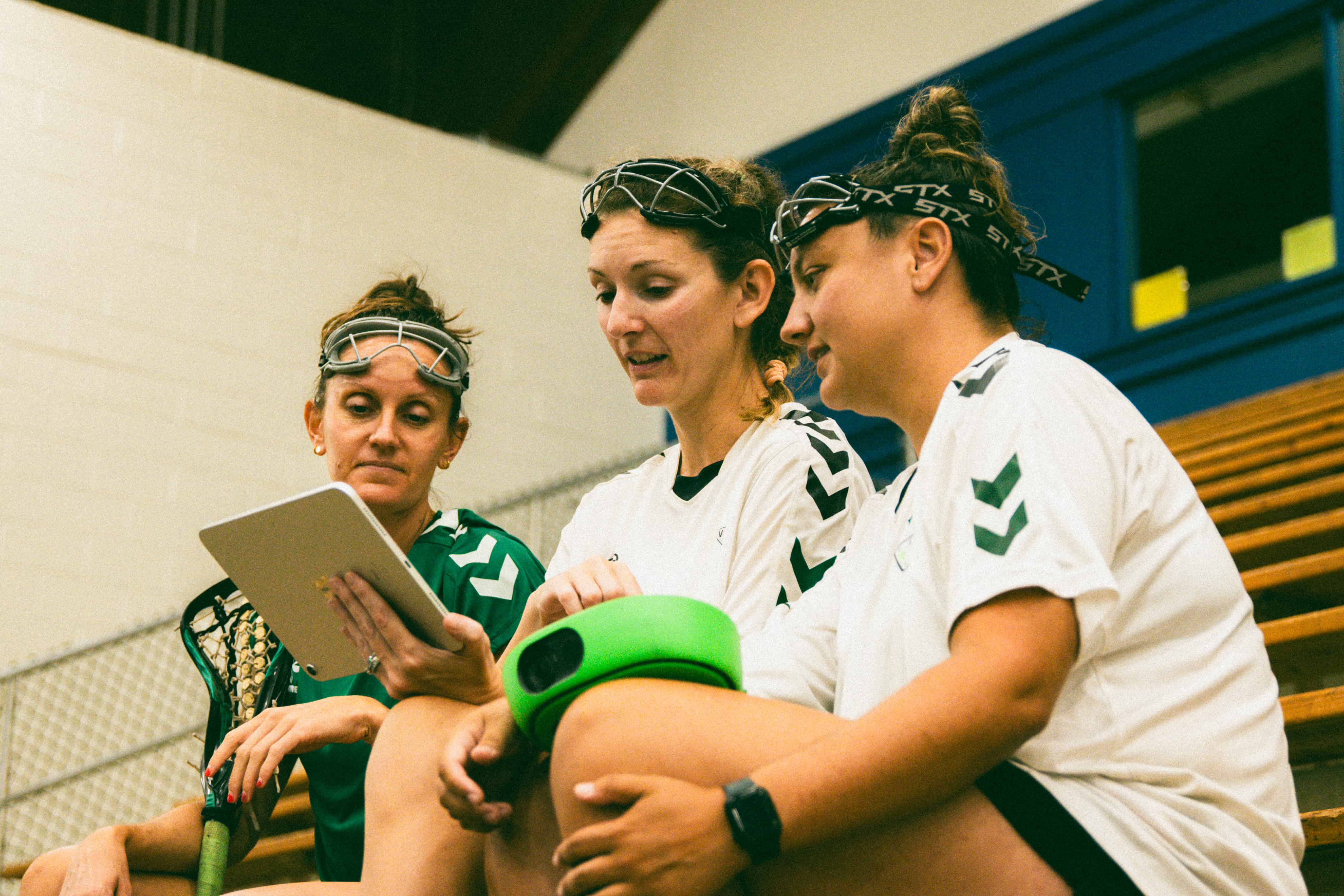
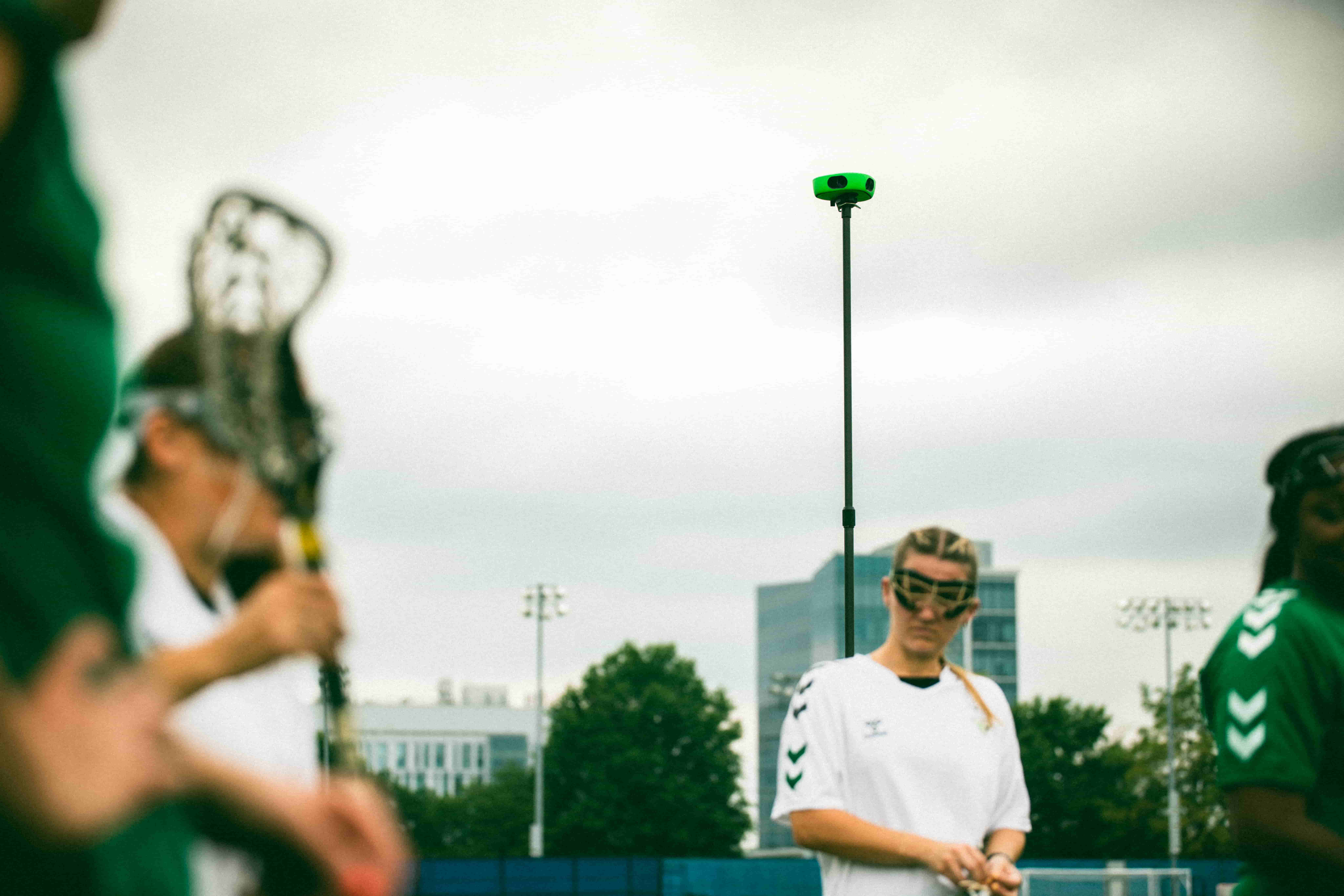
Capture defensive shape with Veo Cam 3
Veo Cam 3 records your full session automatically from above. Review slide communication, off-ball positioning, and clearing routes the same evening.
What youth lacrosse defense actually requires
The foundational elements of lacrosse defense are body position, communication, and slide timing. Players who have correct body position in 1v1 situations contain attackers effectively. Players who communicate continuously keep their team organised when the ball moves. Players who understand slide timing recover possession when a teammate is beaten.
All three require repetition before they become reliable under game pressure. The drills below build each element in isolation before combining them. For players who are still developing basic stick skills, see youth lacrosse drills for beginners before introducing the defensive drills here.
Drill overview
The drills
Drill 1: Defensive stance and mirror
Pairs of players face each other in a 5x10 metre channel. One player is the attacker, one is the defender. The attacker moves slowly in any direction: side to side, forward, backward. The defender mirrors every movement, maintaining a distance of one to two metres, keeping their stick in the passing lane, and staying on the balls of their feet. No checking, no contact. Run for 4 minutes, then switch roles.
Coaching cue: "Stay low. Your hips should be lower than your shoulders. A defender who stands tall gets beaten on the first step every time."
What to watch on video: Hip height throughout the drill. Most youth players start low and gradually stand up as the drill progresses. The footage shows this pattern clearly and gives the coach a specific moment to address in the next session.
Drill 2: 1v1 on-ball channel
Set up a 6x15 metre channel with a small goal at one end. The attacker starts at the far end with the ball; the defender starts 3 metres in front of the attacker. The attacker tries to get to the goal and score; the defender tries to force the attacker to the outside and prevent a shot. When the drill ends (goal, save, or ball out of bounds), players switch roles and reset. Run 10 repetitions per pair.
Coaching cue: "Force them to your strong side. Angle your body to take away the middle. The channel walls do half your job for you. Use them."
Age note: Introduce at U10. Players need a stable defensive stance before 1v1 competition produces useful repetitions. At U8, keep the focus on the stance and mirror drill and delay competitive 1v1 work until body position is consistent.
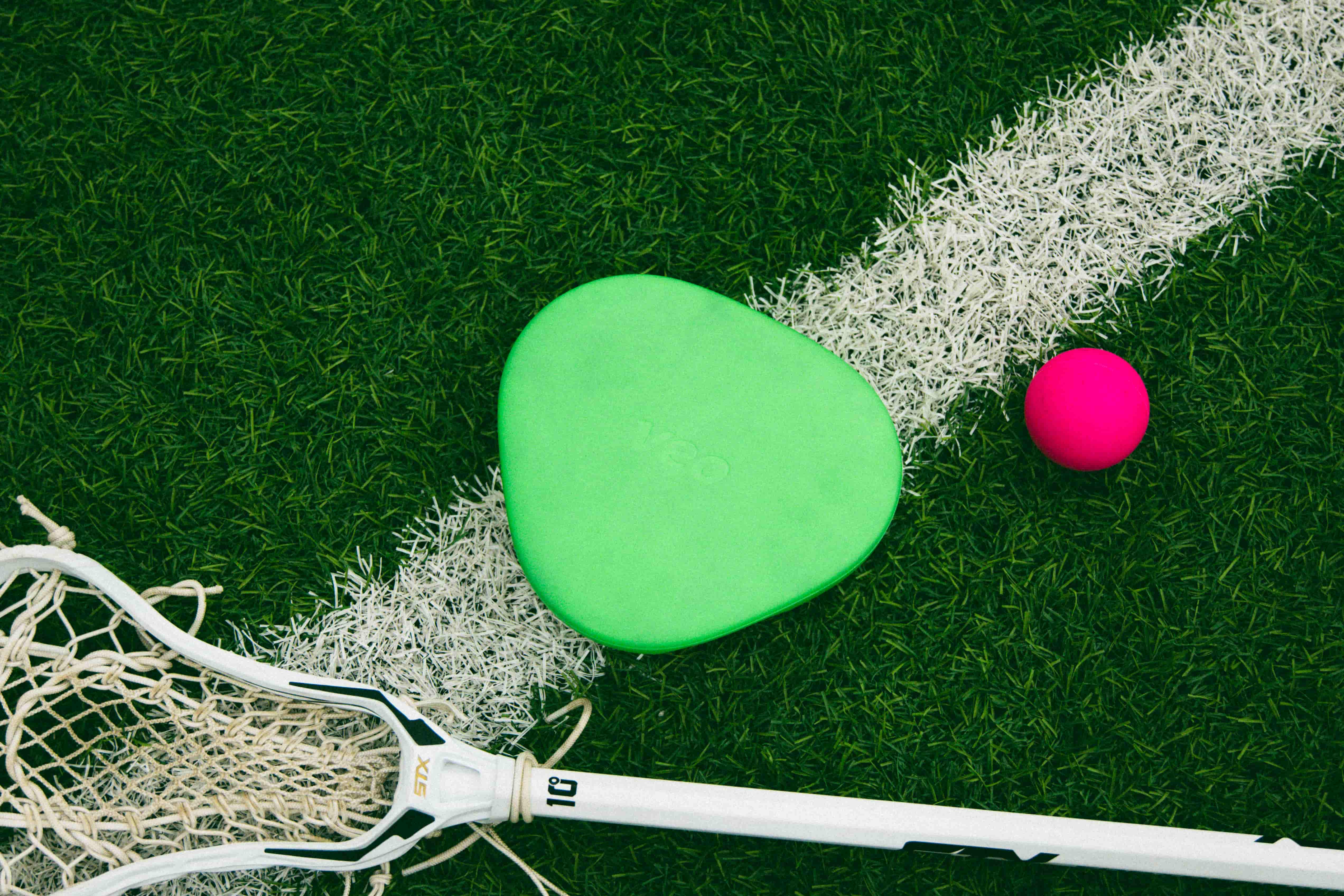
Review 1v1 footwork in slow motion
More than 40,000 clubs across 100 countries use Veo to store and share footage, with over 4 million matches filmed on the platform (Veo internal data, 2026). Veo Cam 3 captures defensive footwork and body angle in detail so coaches can identify exactly when and how defenders are getting beaten.
Drill 3: Slide package drill
Set up a half-field defensive scenario with three defenders and three attackers. One attacker drives at the on-ball defender. When the on-ball defender is beaten, the nearest off-ball defender slides to the ball carrier. The defender who slid off their player calls out the slide; the remaining defender rotates to cover the open player. Reset after each possession ends. Run 10 repetitions per group.
Coaching cue: "Slide caller is the coach on the field. The moment you slide, you call it. Your teammate cannot rotate to cover your player if they do not know you have gone."
Age note: Introduce at U12. Slide packages require players to read the ball, communicate simultaneously, and rotate to cover space, which is a significant cognitive and coordination step. At U10, simplify to a 2v2 help defense drill before introducing the full slide package.
Drill 4: 2v2 help defense
Two defenders guard two attackers in a 15x15 metre area with one goal. The on-ball defender pressures the ball carrier; the off-ball defender positions themselves to see both their player and the ball simultaneously. When the ball moves, defenders communicate and switch assignments if needed. The emphasis is on the off-ball defender's positioning, not on the on-ball defender's technique. Run for 10 minutes with continuous possession.
Coaching cue: "Off-ball defender: you should never be looking only at your player. You are watching the ball and your player at the same time. One eye each."
What to watch on video: Off-ball defender's head position and body angle. Players who face their check directly cannot see the ball. The footage from above shows the off-ball defender's positioning relative to both the ball and their player far more clearly than a ground-level view from the sideline.
Drill 5: Clearing under pressure
Set up a full defensive half with a goalkeeper, three defenders, and two riding attackers. The goalkeeper makes a save or picks up a ground ball. The defenders clear the ball to midfield against the two riders. The riders try to cause a turnover; the defenders try to move the ball past the midfield line within 10 seconds. Reset after each clearing attempt. Run 12 repetitions. Read more in our youth lacrosse midfield drills guide.
Coaching cue: "Clear to space, not to traffic. If your teammate is covered, move the ball to where the space is. An outlet pass to an open player is always better than forcing a pass to a covered one."
Age note: Introduce at U12. Clearing requires players to transition mentally from defense to attack instantly, read the positions of riders, and make quick passing decisions. At U10, simplify by removing the time pressure and focusing on the pattern of movement rather than the speed of execution.
How video improves defensive coaching
Defensive positioning is difficult to coach from the sideline. A coach standing at the edge of the field sees the ball side of the play clearly. What is harder to see is the off-ball defender's positioning, the slide arriving a beat too late, or the clearing route being taken away by a rider the ball carrier has not spotted yet. Video from above shows all of it.
Coaches using Veo Cam 3 review defensive drills after sessions and identify the specific moment where the defensive breakdown occurred. Clips from the slide package drill showing a late slide call, or footage from the 2v2 drill showing the off-ball defender facing their check rather than the ball, become the opening point for the next session.
For how to set up your camera at lacrosse practice, see how to film youth matches.
See the full defensive picture after every session
Veo Cam 3 records your full session automatically. Review slide timing, off-ball positioning, and clearing routes in detail the same evening.
.jpg)

FAQs
Yes, particularly for off-ball positioning and slide timing. These are nearly impossible to assess accurately from the sideline because the coach's view is blocked by the ball-side action. Footage from above shows the full defensive picture: where each defender is positioned, when the slide goes, and whether the rotation covers the open player. Clips shared before the next session produce faster collective improvement than verbal feedback alone.
The defensive stance and mirror drill builds the body position that every other defensive skill depends on. The 1v1 channel drill develops on-ball containment. The 2v2 help defense drill develops off-ball positioning and communication. All three should be in every defensive session before slide packages or clearing drills are introduced.
Start with wall ball or individual stick work (10 minutes), move to partner passing (10 minutes), add a ground ball drill (8 minutes), and finish with a small-sided game or fast break drill (15 minutes). Keep every player active throughout. Avoid drills where players stand in long lines waiting for a turn.
Communication is the difference between a defense that functions as a unit and four individuals each making separate decisions. Slide calls, switch calls, and shot calls all need to happen out loud and in real time. Build the communication habit early: require players to call out loud during every defensive drill, even when the drill is simple. Teams that are quiet on defense give up more goals than teams with equivalent individual skills who communicate consistently.
Wall ball is the most important drill for beginners: it builds cradling and catching simultaneously and can be done alone. Partner passing and ground ball scooping complete the foundational skill set. All three should be in every beginner session before any team or situational work begins.