Youth Basketball Conditioning Drills for Fitness and Speed
Veo
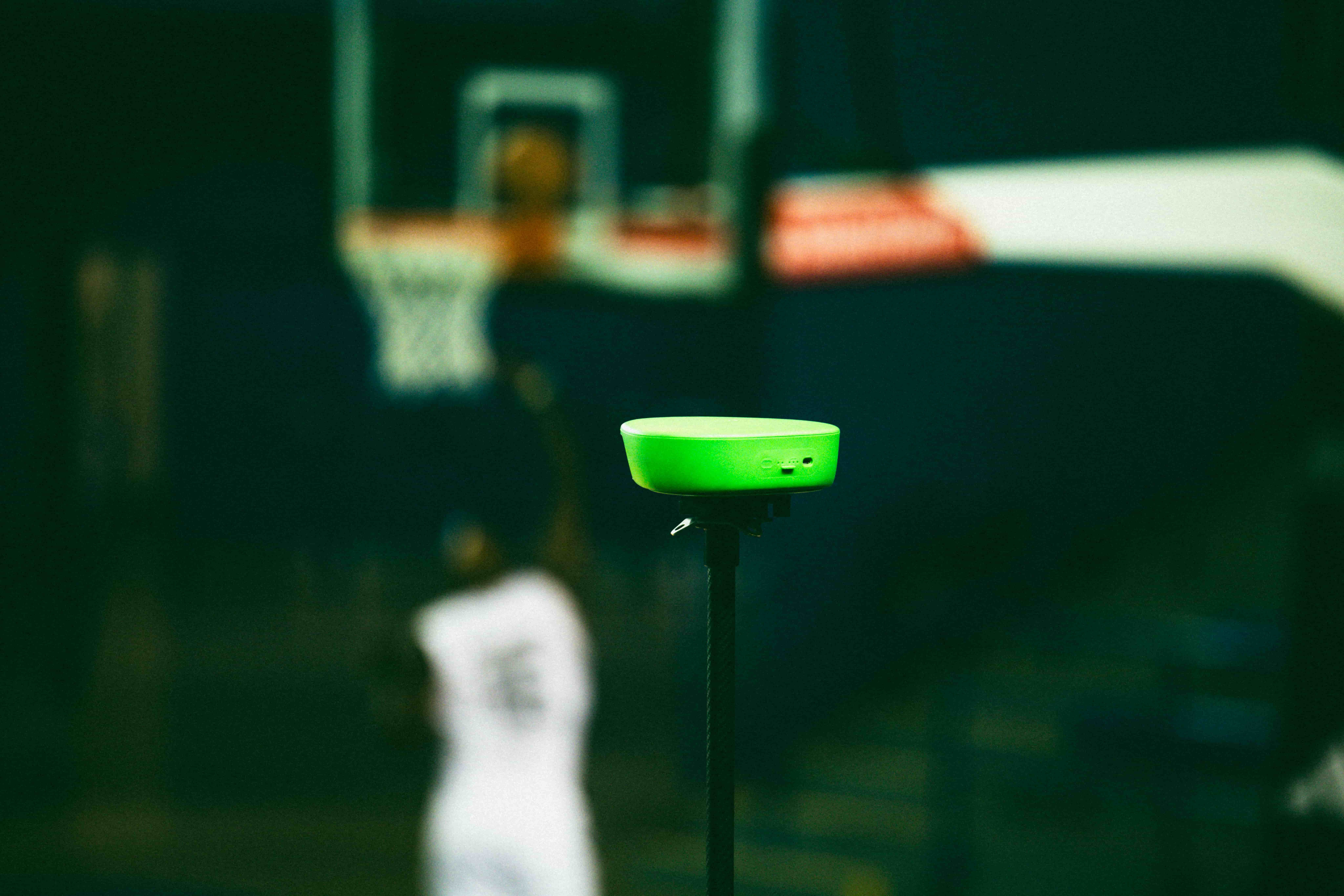
Five youth basketball conditioning drills that build lateral quickness, reaction speed, and game endurance. Includes a session plan and tracking tips with Veo Cam 3.
Youth basketball conditioning often means lining players up for sprints until someone complains. It works in the short term but builds no basketball-specific fitness. There is a better way.
This guide covers five conditioning drills that build the fitness youth basketball players actually need: lateral quickness, change-of-direction speed, and the ability to sustain effort through a full game.
What kind of fitness do youth basketball players actually need?
Basketball is an intermittent sport. The fitness demand is the ability to repeat high-intensity efforts with short recovery periods. At youth level, movement quality comes first, conditioning second.
For context on how conditioning fits into a broader development plan, see the youth basketball coach certification guide.
What are the best conditioning drills for youth basketball players?
These five drills target the specific fitness demands of basketball.
| Drill | Focus | Duration |
|---|---|---|
| Defensive Slide Circuit | Lateral quickness, defensive stance | 10 min |
| Modified Suicide Sprints | Sprint-stop conditioning | 10 min |
| Reaction Drill | First-step quickness | 10 min |
| Shell Drill Conditioning | Defensive positioning under fatigue | 15 min |
| 17s | Game-speed endurance | 10 min |
1. Defensive Slide Circuit (10 minutes)
Two cones 4 yards apart at the top of the key, two cones 4 yards apart at the baseline. Slide to each cone and back. 30-second intervals, 15 seconds rest.
Coaching cue: "Wide base, low hips. Don't let your feet touch."
2. Modified Suicide Sprints (10 minutes)
Baseline to near free-throw line and back, half court and back, far free-throw line and back, far baseline and back. Rest one minute. Three to four sets.
Coaching cue: "Attack the line. Stop clean. Go again."
Age note: For U10 and younger, use half-court suicides only.
3. Reaction Drill (10 minutes)
Players at the free-throw line. Coach points left, right, forward, or backward. Players sprint two steps and reset. 20 seconds on, 10 seconds off.
Coaching cue: "See it. Move. Reset. Don't anticipate."
4. Shell Drill Conditioning (15 minutes)
Four defenders, four attackers in a half-court shell. Attackers pass around the perimeter. Defenders rotate and communicate on every pass for two minutes, then rotate roles.
Coaching cue: "Talk through the fatigue. Communication breaks down last."
This drill connects to the youth basketball team drills guide.
5. 17s (10 minutes)
Players run baseline to baseline seventeen times. Target times: 75 seconds for U10, 70 for U12, 65 for U14.
Coaching cue: "Pace yourself for the first ten. Empty the tank on the last seven."
How does Veo Cam 3 help coaches monitor conditioning?
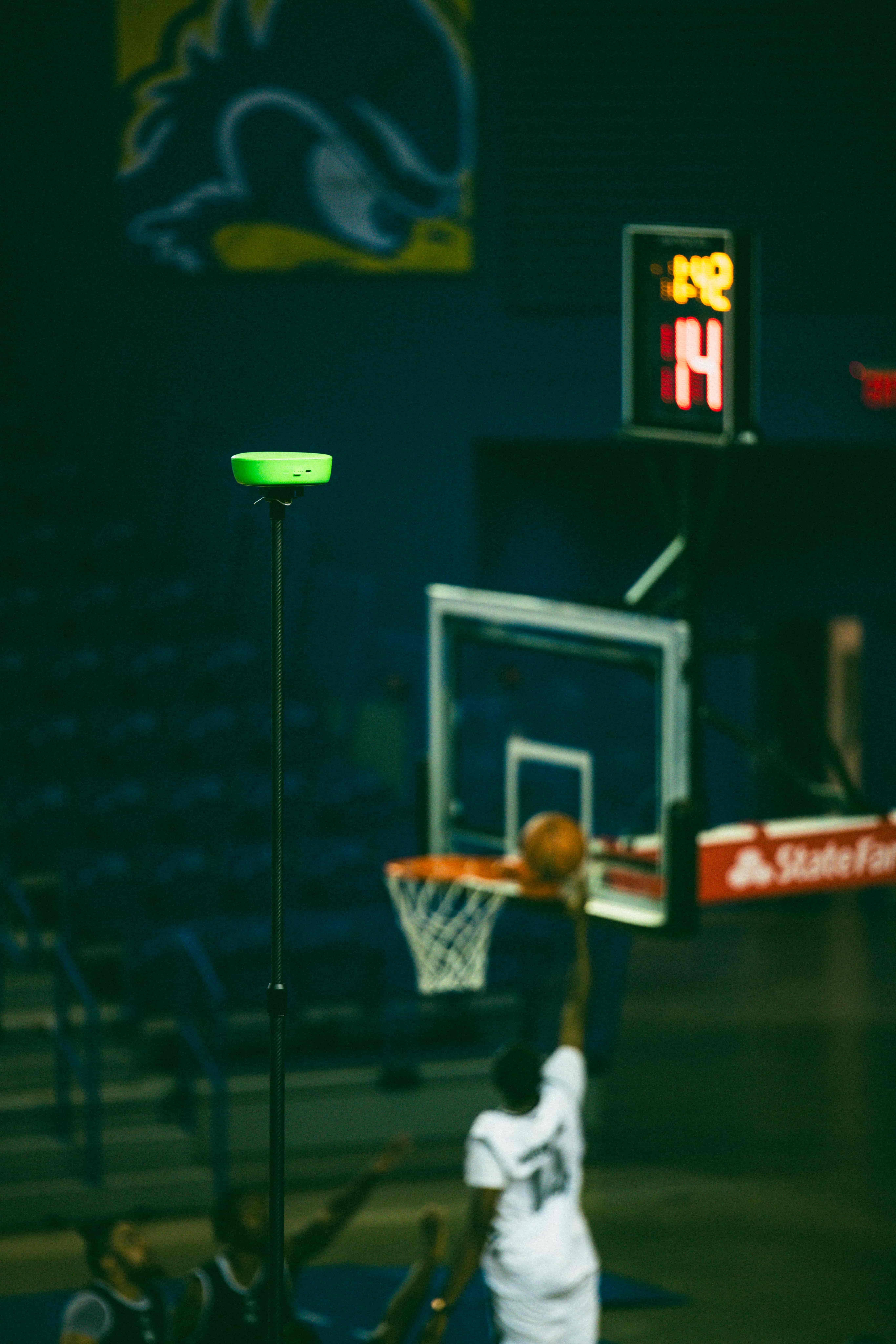
Veo Cam 3 captures the full court automatically. Coaches can review footage and track individual players across each drill. A player whose stance collapses in the third set but looks fine in the first is showing a fitness threshold invisible to a coach watching live. More than 40,000 clubs in 100+ countries use Veo. Setup takes under two minutes.
More than 40,000 clubs across 100 countries use Veo to store and share footage, with over 4 million matches filmed on the platform (Veo internal data, 2026)
See how Veo Cam 3 gives youth basketball coaches the full-court view they need to monitor conditioning development.
What does a complete youth basketball conditioning session look like?
This 55-minute session runs the five drills in sequence, building from technical movement to game-speed endurance. Add a 10-minute warm-up at the start.
What are the most common conditioning mistakes in youth basketball?
Running conditioning as punishment. Frame conditioning as skill development. Lateral quickness and reaction speed are skills, not suffering.
Ignoring deceleration. Poor deceleration mechanics cause more soft-tissue injuries than any other factor at youth level.
Same drills every session. Rotating between drill types keeps the physiological demand high.
No tracking across the season. Record 17s times from the first session. Review at the midpoint and end of the season.

%20(1).jpg)
.jpg)