Youth Basketball Shooting Drills: A Coach Guide
Frederik Hvillum
The best shooting drills for youth basketball coaches. Form shooting, catch and shoot, off the dribble, and game-speed drills with age guidance and coaching cues.
Shooting is the skill players practice most on their own and the skill coaches most often fail to teach correctly. Most youth players develop shooting habits through repetition without instruction: they shoot from wherever they are comfortable, with whatever form feels natural, and those habits compound across thousands of repetitions before anyone looks closely at the mechanics.
This guide covers five shooting drills for youth basketball coaches, progressing from foundational form work at close range to competitive shooting under pressure. Each drill includes coaching cues, age guidance, and notes on what video reveals that live coaching misses.
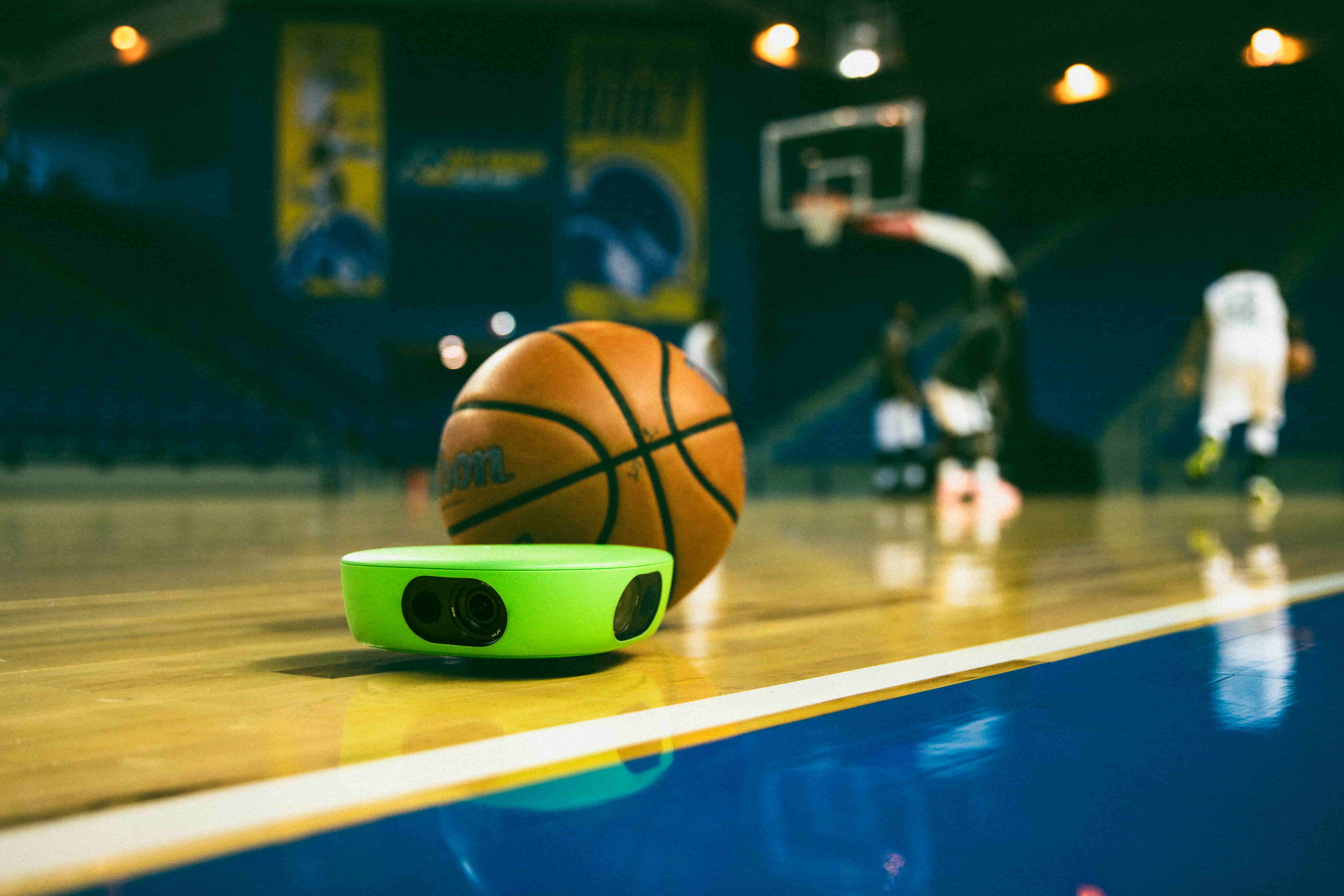
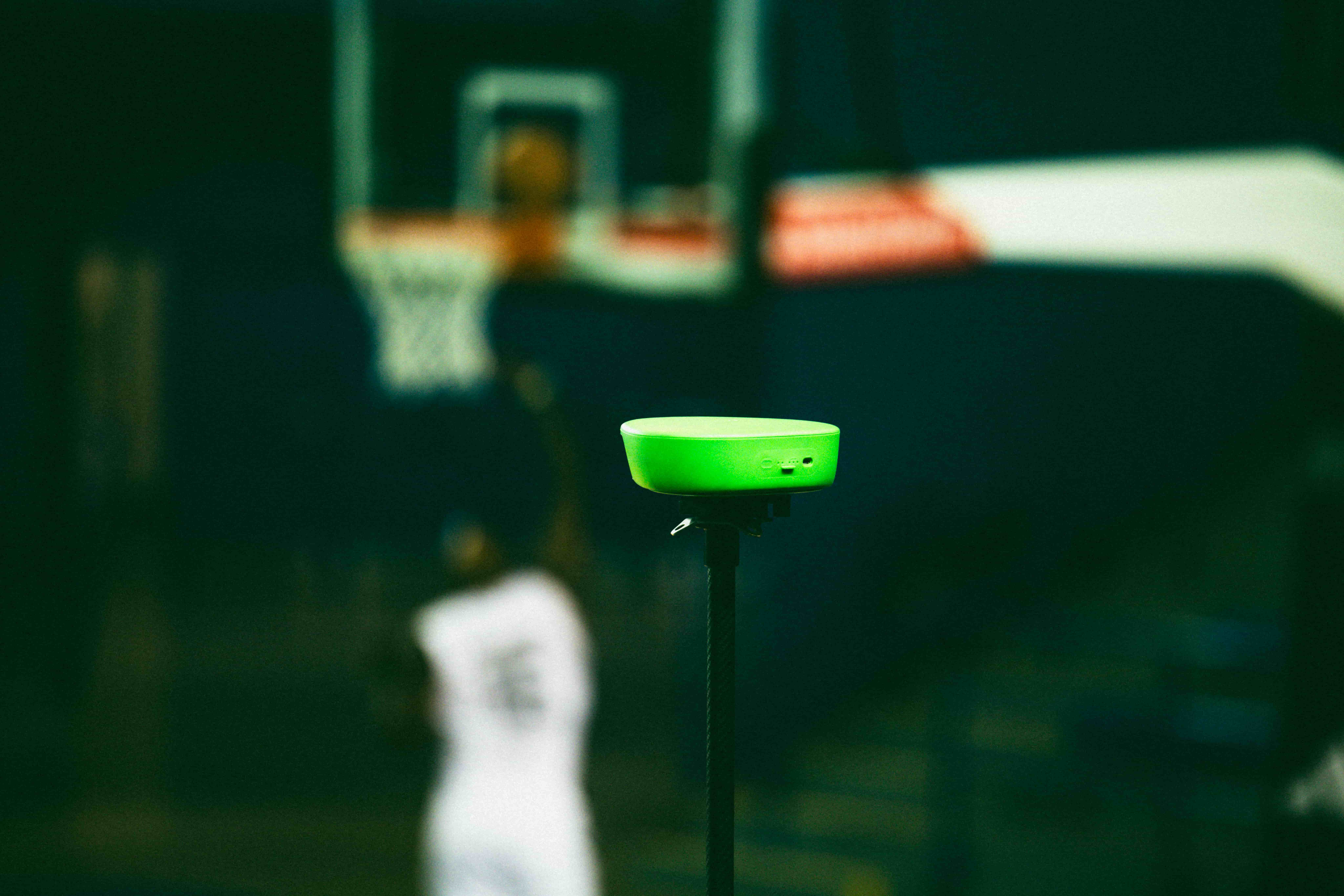
Film shooting mechanics with Veo Cam 3
Veo Cam 3 records your full session automatically. Review shot mechanics, release point, and footwork in slow motion the same evening.
What makes a youth shooting drill effective
The most common mistake in youth shooting practice is starting too far from the basket. Players who shoot from the three-point line before they can make a consistent shot from five feet develop compensating habits: pushing the ball with both hands, dropping the elbow, leaning sideways to generate power. Those habits are harder to correct at 14 than they would have been to prevent at 9.
Effective youth shooting drills start close, build mechanics before distance, and use competitive formats to maintain engagement without sacrificing technique. For how to integrate shooting drills into a full practice structure, see the youth basketball coach certification guide.
Drill overview
The drills
Drill 1: Form shooting progression
Players start one metre from the basket. Shooting hand only, no guide hand. The focus is on the release: elbow under the ball, wrist snap, follow-through with fingers pointed at the basket. Five makes at one metre, step back to two metres, five makes, step back to three metres. No player moves back until they have made five consecutive shots at the current distance. Run for 10 minutes.
Coaching cue: "Hold your follow-through until the ball hits the floor. Your hand should be pointing at the back of the rim after every shot. If your hand drops before the ball gets there, you released too early."
Age note: Appropriate for all ages. At U6 and U8, use a smaller ball and a lower hoop if available. The one-hand form drill is the single most effective shooting intervention at youth level and should open every shooting session regardless of the player's age or experience.
Drill 2: Elbow catch and shoot
Players line up at one elbow of the free throw line. A feeder stands at the top of the key with the ball. The player cuts to the elbow, catches the pass with their feet already set in a shooting stance, and shoots immediately. Rebound, pass back to the feeder, and join the back of the line. After 5 minutes, switch to the opposite elbow. The focus is on arriving at the catch point with feet set rather than catching and then setting the feet.
Coaching cue: "Your feet are set before the ball arrives. If you are still moving when you catch, your shot starts off-balance. Arrive early, not at the same time as the ball."
What to watch on video: Foot position at the moment of the catch. Players whose feet are still moving when the ball arrives take an extra beat to set before shooting, which in a game gives a defender time to close out. This is visible immediately in the footage and almost impossible to assess accurately while managing the full group.
Read our full guide on youth basketball team play drills.
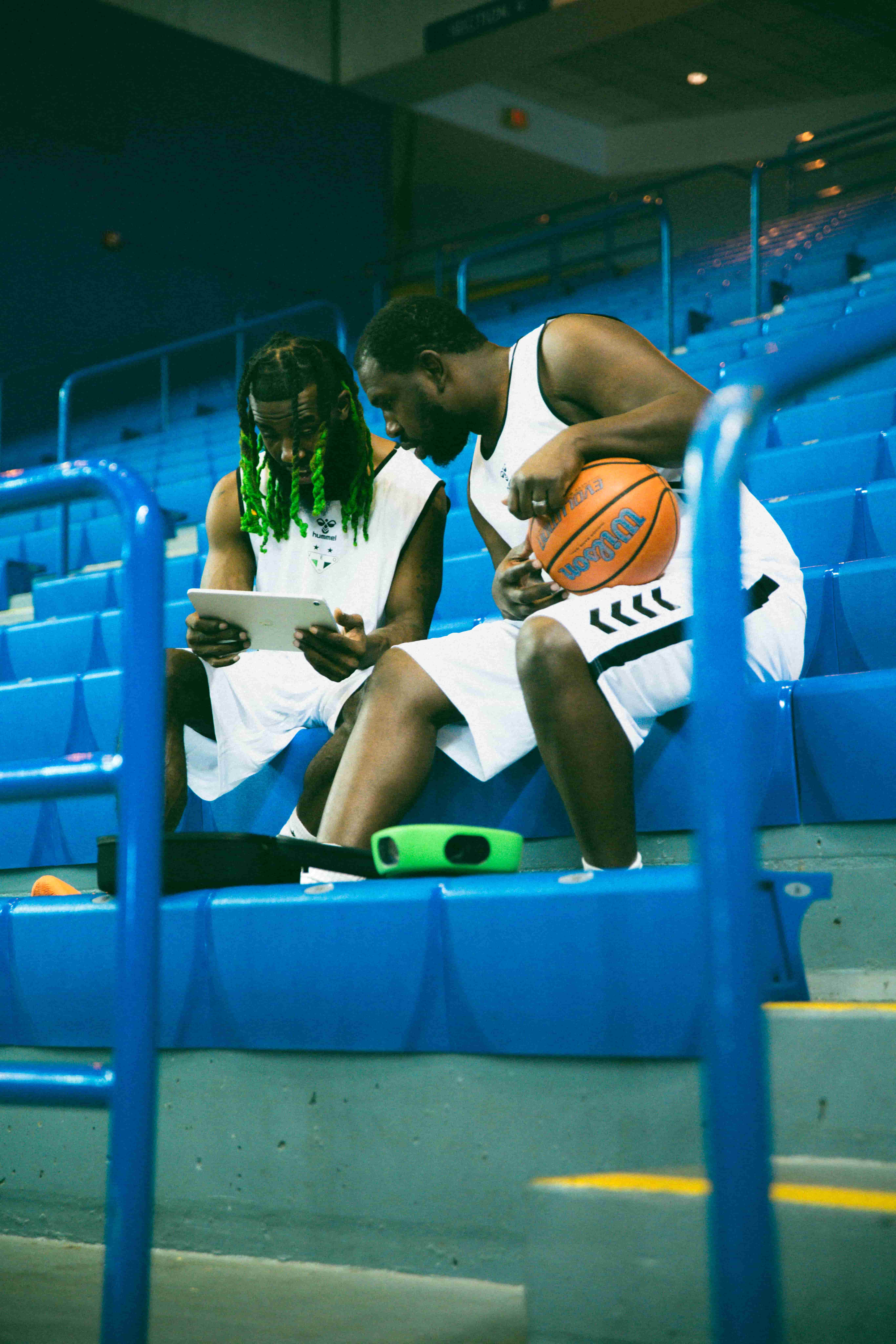
Identify footwork errors before they become habits
More than 40,000 clubs across 100 countries use Veo to store and share footage, with over 4 million matches filmed on the platform (Veo internal data, 2026). Veo Cam 3 captures catch and shoot footwork in slow motion so coaches can correct timing errors before they compound across thousands of repetitions.
Drill 3: Mikan drill
The player starts on the right side of the basket, makes a right-handed layup, catches the ball before it hits the floor, steps to the left side, and makes a left-handed layup. Repeat continuously for 8 minutes, alternating sides without stopping. The focus is on the footwork sequence for each layup: right-handed layup from the right side uses left foot, right foot, up; left-handed layup from the left side uses right foot, left foot, up.
Coaching cue: "Jump off the inside foot. Right-handed layup, your last step before you jump is your left foot. If you jump off the wrong foot, you are fighting your own momentum."
Age note: Introduce at U8. The Mikan drill builds the most important finishing skill in basketball and the footwork habit that makes layups reliable under defensive pressure. Players who have done the Mikan drill for two or three seasons arrive at competitive basketball with a finishing advantage over players who have not.
Drill 4: Off the dribble pull-up
Players start at the top of the key with the ball. One dribble hard to the right, gather, pull-up jump shot from the elbow. Reset, one dribble hard to the left, gather, pull-up from the opposite elbow. Five repetitions each side, then rotate. The focus is on the gather: the moment the dribble ends and the shooting motion begins should be one continuous action, not a two-step process.
Coaching cue: "The gather and the jump are one move. You are not dribbling and then shooting. You are converting the dribble directly into your shot. The moment you pick the ball up, you are already going up."
Age note: Introduce at U12. The off-the-dribble pull-up requires players to coordinate a dribble, a gather, and a jump shot in one sequence, which demands the ball control and body awareness that develops from U10 onward. At U10, simplify to a one-dribble layup before building toward the pull-up.
Drill 5: Competitive shooting circuit
Set up five shooting spots around the arc at a distance appropriate for the age group. Players work in pairs: one shoots, one rebounds and feeds. The shooter has 60 seconds to make as many shots as possible from all five spots, moving in sequence. The rebounder counts makes. After 60 seconds, switch. The pair with the most combined makes after two rounds wins. Repeat three times.
Coaching cue: "Move to the next spot on your release. Do not wait to see if the shot goes in before you move. Trust your form and keep the rhythm."
What to watch on video: Shot mechanics under light time pressure compared to form shooting at the start of the session. Players whose mechanics break down under the competitive format are telling you that the habit is not yet automatic. That comparison, from the same session, is the most useful coaching information the footage provides.
Why shooting mechanics need video to coach accurately

Shooting form has several elements that are nearly invisible at full speed: the position of the guide hand at release, whether the elbow is under the ball or drifting out, the consistency of the wrist snap, and whether the player's balance shifts forward, backward, or stays centred. A coach watching a player take 20 shots will identify the outcome (makes and misses) but will rarely identify the specific mechanical cause of the misses with accuracy.
Coaches using Veo Cam 3 record shooting sessions and review footage from a front angle (to see elbow and release) and a side angle (to see balance and follow-through). Two angles from one session give more useful coaching information than any amount of live observation.
For how to position your camera for shooting drills specifically, see how to film youth matches. The same setup principles apply for indoor basketball as any other sport.
Build consistent shooters with consistent footage
Veo Cam 3 records every session automatically. Compare shooting mechanics from the start of the season to the end and show players exactly how their form has developed.
Related reading
- Youth basketball coach certification guide
- Youth basketball team drills
- Youth basketball conditioning drills

FAQs
Form shooting with one hand at close range is the most important drill for any age group. It builds the correct release mechanics before distance and competition introduce compensating habits. The Mikan drill builds layup footwork that carries into every level of play. Catch and shoot at the elbow develops the footwork and timing for the most common shot in basketball. All three should be in every shooting session.
Start with one hand only, one metre from the basket. Remove the guide hand entirely so the player cannot compensate with it. Focus on elbow under the ball, wrist snap, and follow-through. Once the one-handed release is consistent, add the guide hand back as a balance hand only. Then add footwork. Then add distance. Players who learn shooting in this sequence develop a repeatable release that holds up under defensive pressure.
Start at one metre for form work, regardless of age or ability. Move back only when the player can make five consecutive shots with correct mechanics at the current distance. Most youth players shoot from too far away too early, which produces bad habits to generate enough power. A player who can make eight out of ten shots with correct form from five feet is developing better shooting habits than one who makes three out of ten from the three-point line.
Introduce off the dribble shooting at U12. Players need consistent catch and shoot mechanics and reliable ball handling before adding the coordination of converting a dribble into a shot. At U10, develop the catch and shoot and the Mikan drill. The pull-up and off-the-dribble shooting become more relevant from U12 when players begin to develop the body control and ball handling to execute it under pressure.
Yes. Shooting mechanics are nearly impossible to assess accurately at full speed. Elbow position, guide hand release, balance shift, and follow-through consistency all require slow-motion footage to identify reliably. Players aged 10 and above respond well to watching their own shot alongside a model of correct mechanics. A coach who can show a player exactly where their elbow is drifting produces faster correction than one who can only describe it verbally.
%20(1).jpg)