Youth Basketball Rebounding Drills: Box Out and Win the Ball
Veo
Five youth basketball rebounding drills that build box-out technique, pursuit habits, and team rebounding for players aged 8 to 14.
Youth basketball players who cannot rebound give up second-chance points on one end and waste possessions on the other. Rebounding is not about height. At youth level it is about positioning, timing, and the habit of going to the ball rather than watching it.
This guide covers five rebounding drills for youth basketball players aged 8 to 14, a session plan, and how video helps coaches identify the positioning mistakes that cause most missed rebounds.
What makes rebounding coachable at youth level?
Most youth players lose rebounds before the ball even hits the rim. They stand near a player they are guarding rather than finding a position between that player and the basket. Teaching box-out technique solves the problem once players understand the concept, but the habit has to be drilled before it becomes automatic.
The two principles that govern all rebounding coaching at youth level are: find your player before the shot, and move to the ball once the shot is released. Every drill in this guide trains one or both of these habits.
For the defensive positioning that makes rebounding easier, the youth basketball conditioning drills guide covers the lateral quickness and stance endurance that keep defenders in the right position throughout a game.
What are the best rebounding drills for youth basketball players?
These five drills build rebounding technique progressively from basic footwork to competitive full-team situations.
| Drill | Focus | Duration |
|---|---|---|
| Mikan Box-Out Drill | Contact, pivot, two-handed catch | 10 min |
| Two-Line Box-Out Drill | Finding opponent on shot, simultaneous box-out | 10 min |
| Pursuit Drill | Chasing loose balls, competitive pursuit | 10 min |
| Three-Player Rebounding Rotation | Multi-player coordination, communication | 15 min |
| Live Scrimmage with Constraint | All concepts in game context | 15 min |
1. Mikan Box-Out Drill (10 minutes)
Two players stand near the basket. One is the shooter, one is the rebounder. The shooter tosses the ball off the backboard. Before the ball hits the rim, the rebounder must make contact with the shooter, pivot to face the basket, and secure the rebound with two hands.
The Mikan box-out drill isolates the footwork sequence that every rebound requires. Most youth players skip the contact step and go straight for the ball. This drill makes the contact and pivot a mandatory part of every rep.
Coaching cue: "Find them first. Then go get the ball."
Age note: For U8 and U10, remove the contact element and focus on the pivot and two-handed catch. Introduce body contact from U12 when players have enough coordination to execute it safely.
2. Two-Line Box-Out Drill (10 minutes)
Players line up in two lines facing the basket at the free-throw line extended. A coach shoots from the top of the key. On the shot, each player must locate the player opposite them, make box-out contact, and compete for the rebound.
Coaching cue: "Back to chest. Hold them for two seconds, then go."
3. Pursuit Drill (10 minutes)
A coach throws the ball off the backboard from the side so it bounces unpredictably. Two players start at the three-point line and race to rebound.
Coaching cue: "Every ball is yours until someone else gets it."
4. Three-Player Rebounding Rotation (15 minutes)
Three players at left block, right block, and free-throw line with three defenders opposite. A coach shoots. All three box out, compete for the rebound, and outlet to the coach.
Coaching cue: "Call it. If two of you go for the same ball, one of you was wrong."
This drill connects to the youth basketball team drills guide.
5. Live Scrimmage with Constraint (15 minutes)
A defensive rebound only counts if the rebounder can name which player they boxed out.
Coaching cue: "Box out first. Rebound second. In that order, every time."
How does Veo Cam 3 help coaches teach rebounding?
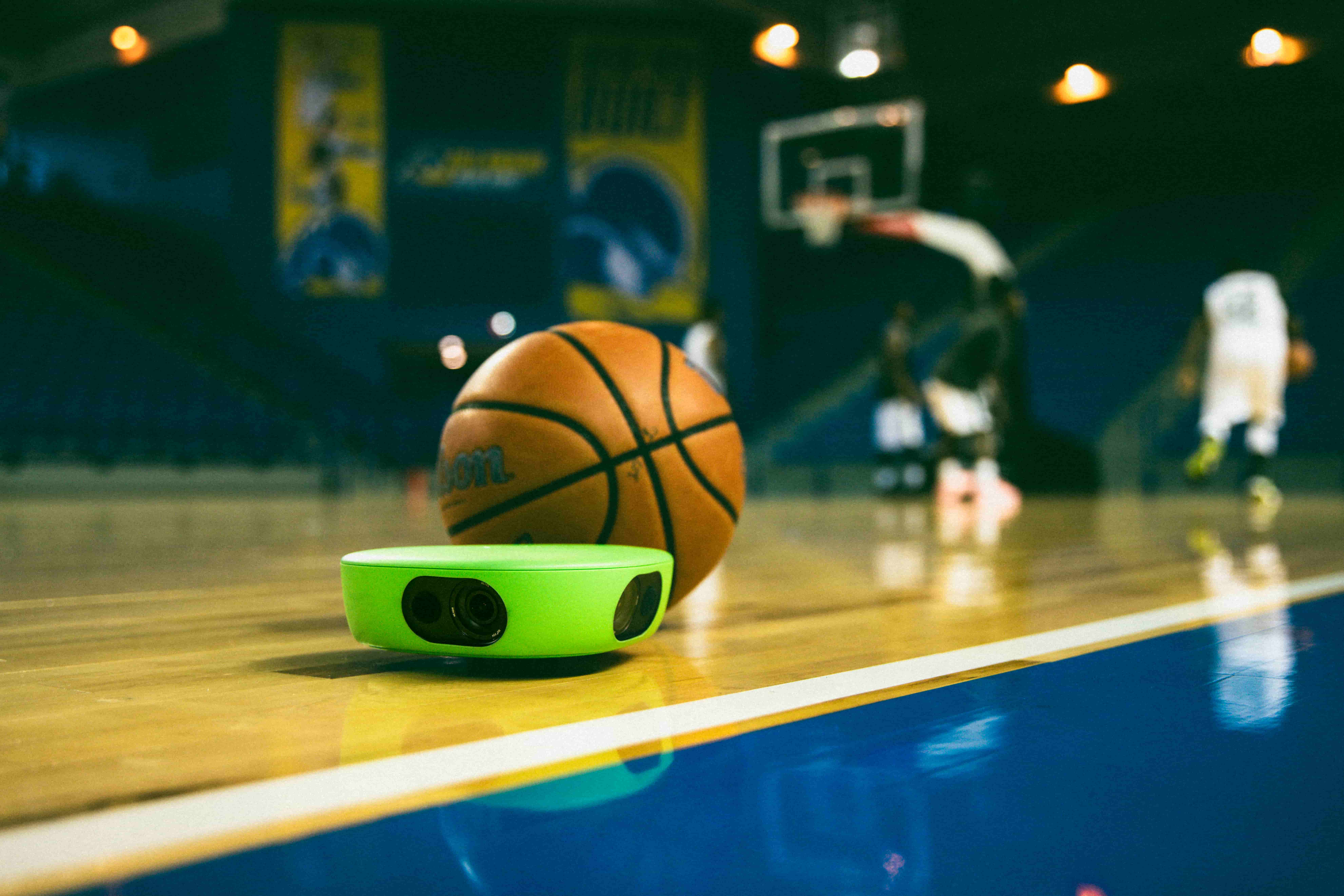
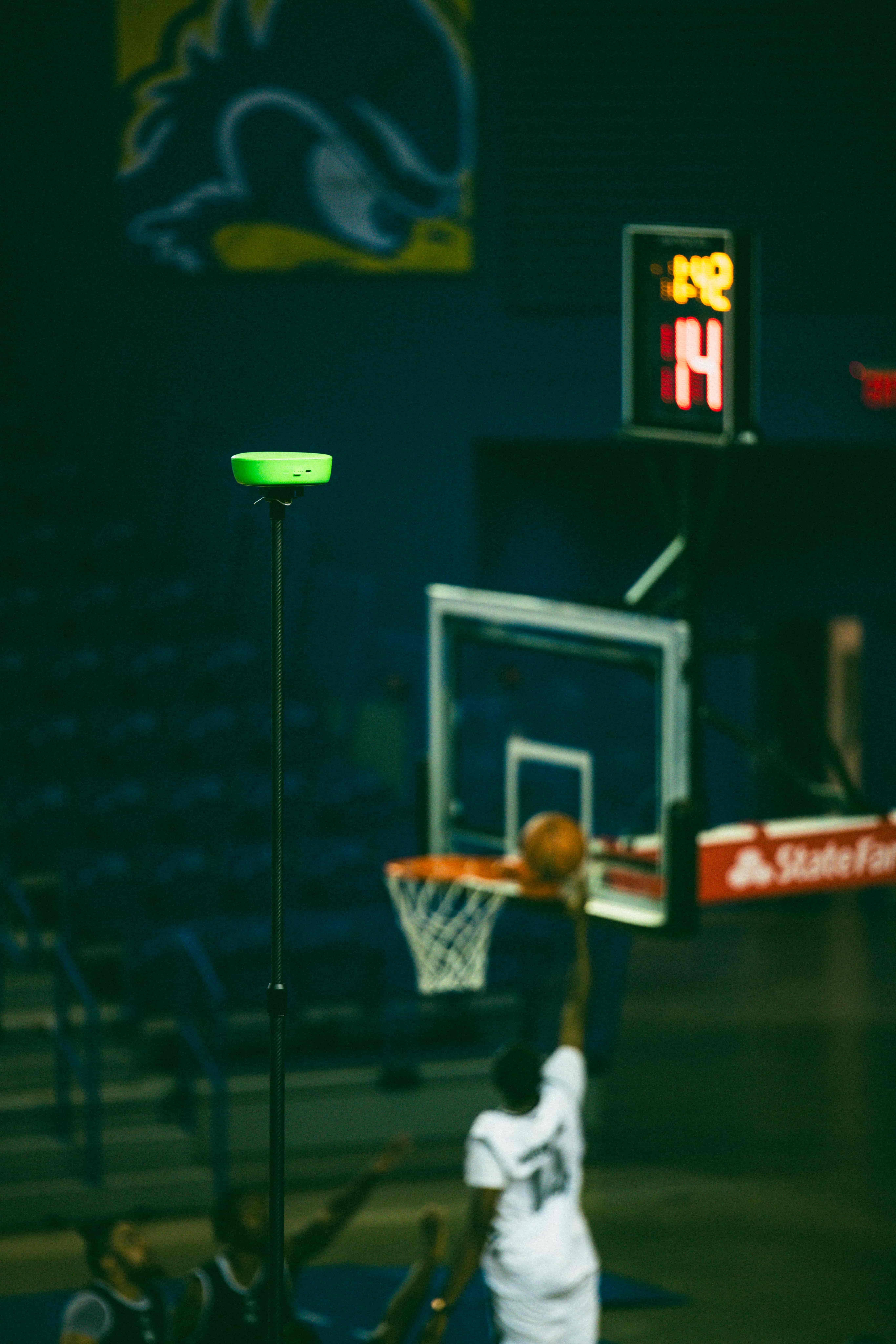
Veo Cam 3 captures the full court automatically. Coaches can review the half-second between the shot and the ball hitting the rim — where most rebounds are won or lost. More than 40,000 clubs in 100+ countries use Veo. Setup takes under two minutes.
More than 40,000 clubs across 100 countries use Veo to store and share footage, with over 4 million matches filmed on the platform (Veo internal data, 2026)
See how Veo Cam 3 gives youth basketball coaches the full-court view they need to coach rebounding.
What does a 60-minute youth basketball rebounding session look like?
This session runs the five drills in sequence, building from individual footwork to full competitive rebounding. Add a 10-minute warm-up at the start.
What are the most common rebounding mistakes in youth basketball?
Watching the ball instead of finding their player. The most common and most costly mistake. Drill the instinct to locate the nearest opponent the moment a shot goes up.
Going for the ball with one hand. Youth players reach for rebounds rather than catching them. Two hands, wide base, secure the ball before moving.
Jumping too early. Players jump before the ball reaches its peak and come down before the rebound arrives. Wait for the ball to start descending before jumping.
No communication. Two players going for the same ball means one player left their assignment unmarked. Build the habit of calling rebounding assignments in every drill from the first session.

FAQs
Boxing out is the most important skill. Most youth players miss rebounds because they go straight to the ball without first positioning themselves between their opponent and the basket. Teaching the box-out footwork sequence, finding the player before the ball arrives and pivoting to face the basket, produces more rebounds than any amount of jumping ability.
Basic rebounding awareness can start at U8 with simple two-handed catch drills. Box-out technique without body contact is appropriate from U10. Competitive box-out drills with physical contact are best introduced at U12, when players have the coordination to execute the footwork and body contact simultaneously.
Start with the footwork sequence in isolation: find the opponent on the shot, make contact with their body, pivot to face the basket, and hold position until the ball arrives. The Mikan box-out drill is the most effective starting point. Remove the competitive element initially so players can focus on the footwork without pressure.
Veo Cam 3 captures the full court automatically, which means coaches can review the half-second between a shot leaving the shooter's hands and the ball hitting the rim. That window is where most rebounds are won or lost. A coach watching live sees who gets the rebound. The footage shows why, revealing which players turned immediately and which watched the ball for an extra moment.
The most common cause is going for the ball with one hand rather than two. Youth players often reach for rebounds rather than catching them with a wide base and two hands. The second most common cause is jumping too early, before the ball has reached its highest point and started to come down. Both habits are correctable with focused drill work.
%20(1).jpg)
.jpg)