How Purdue Intramurals Uses Veo to Elevate Officiating and Community
Veo
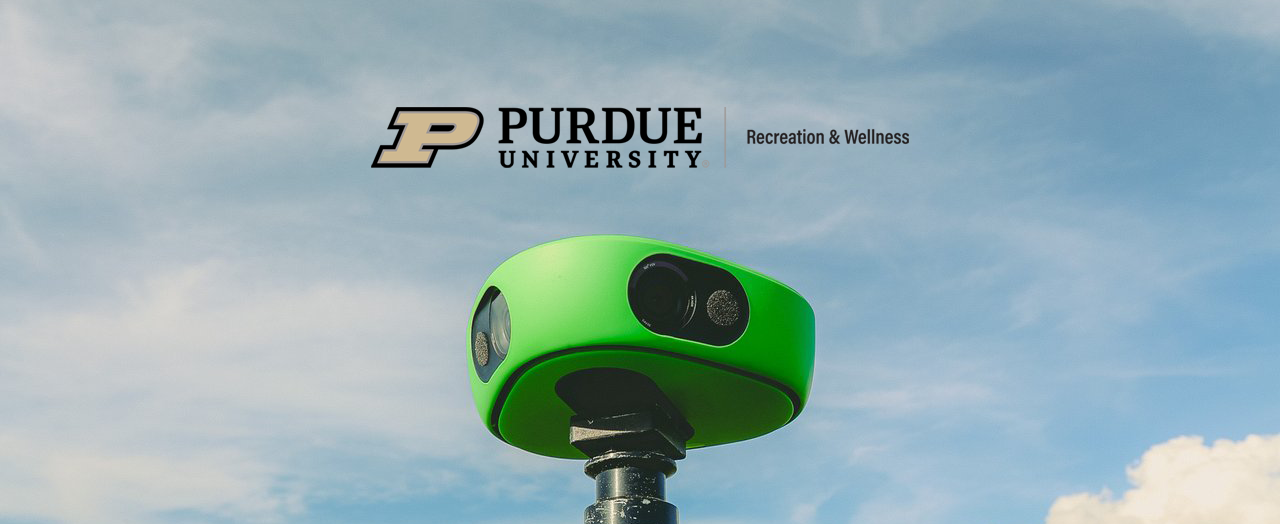
Purdue has transformed its intramurals operations with Veo, enhancing officiating, accountability, training, livestreaming, and participant engagement across campus. This article shows how Veo’s automated video system helps staff, officials, and athletes learn, connect, and elevate the intramural experience.
Intramural sports programs face a unique challenge: delivering a high-quality participant experience while simultaneously training student officials, managing conduct, and fostering a sense of community, all with limited resources. At Purdue University, video had already become an important tool for officials’ development, but traditional filming methods came with clear limitations.
By introducing Veo into its intramural operations, Purdue found a way to improve consistency, visibility, and access to game footage, while also unlocking new opportunities for engagement, livestreaming, and connection across campus and beyond.
We spoke with Purdue’s Paden Alie about why they added Veo, how the implementation process went, and the impact it’s had on athletes, officials, and overall program operations.
What challenges or gaps were you looking to solve in your intramural program when you first explored adding Veo?
We were already filming games for officials’ development, but the setup required a traditional camera and a student operator. It worked most of the time but the quality of the footage depended heavily on whoever was behind the lens. Missed shifts, distractions, or simply not tracking the play created gaps.
When we learned about Veo, it was clear we could dramatically elevate our vantage point. The automated, elevated angle gives us a far better view of play development, positioning, and contested calls. It also transformed our conduct-review process by giving us a complete field perspective instead of a narrow, human-controlled shot. Simply put, Veo solved the limitations of human-operated filming while giving us better-quality footage for training, review, and accountability.
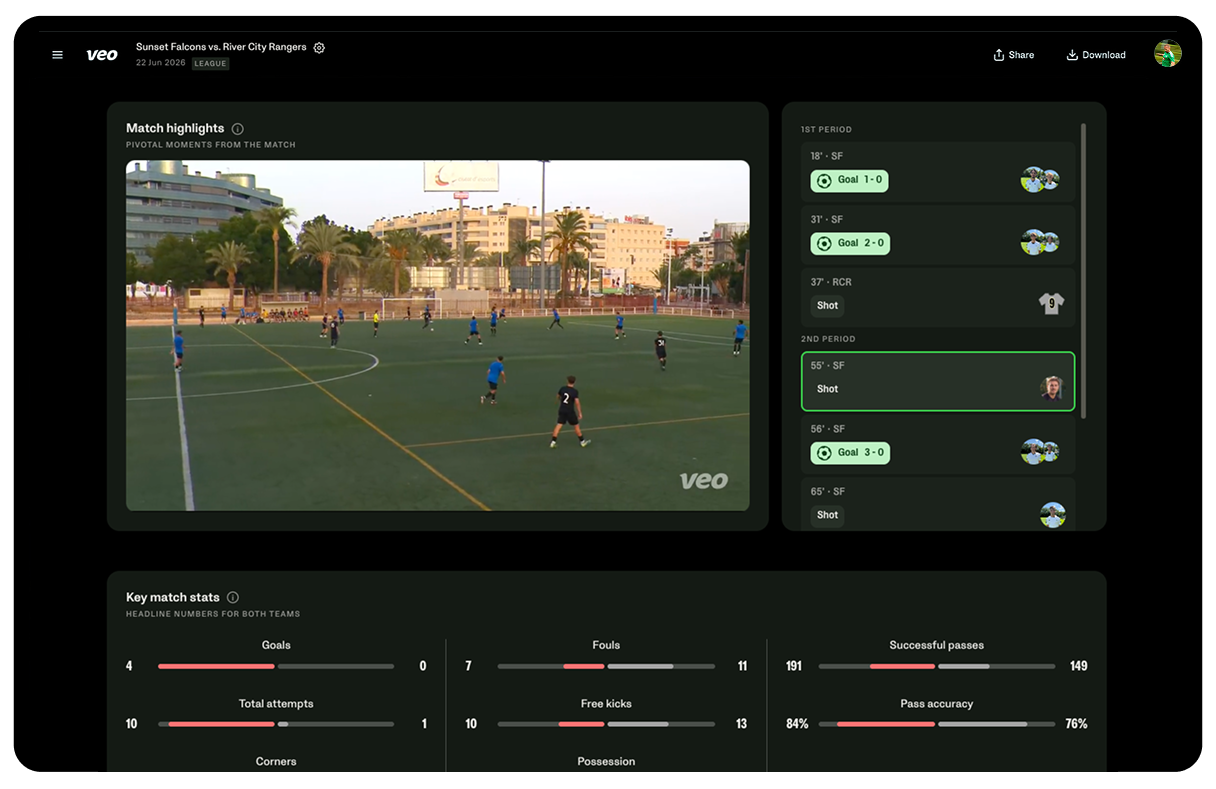
Plus, it opened the door for more social connection, participants can now share their games with friends, family, and even alumni networks, creating a sense of community beyond the field.
What was the integration process like when you added Veo to your intramural operations?
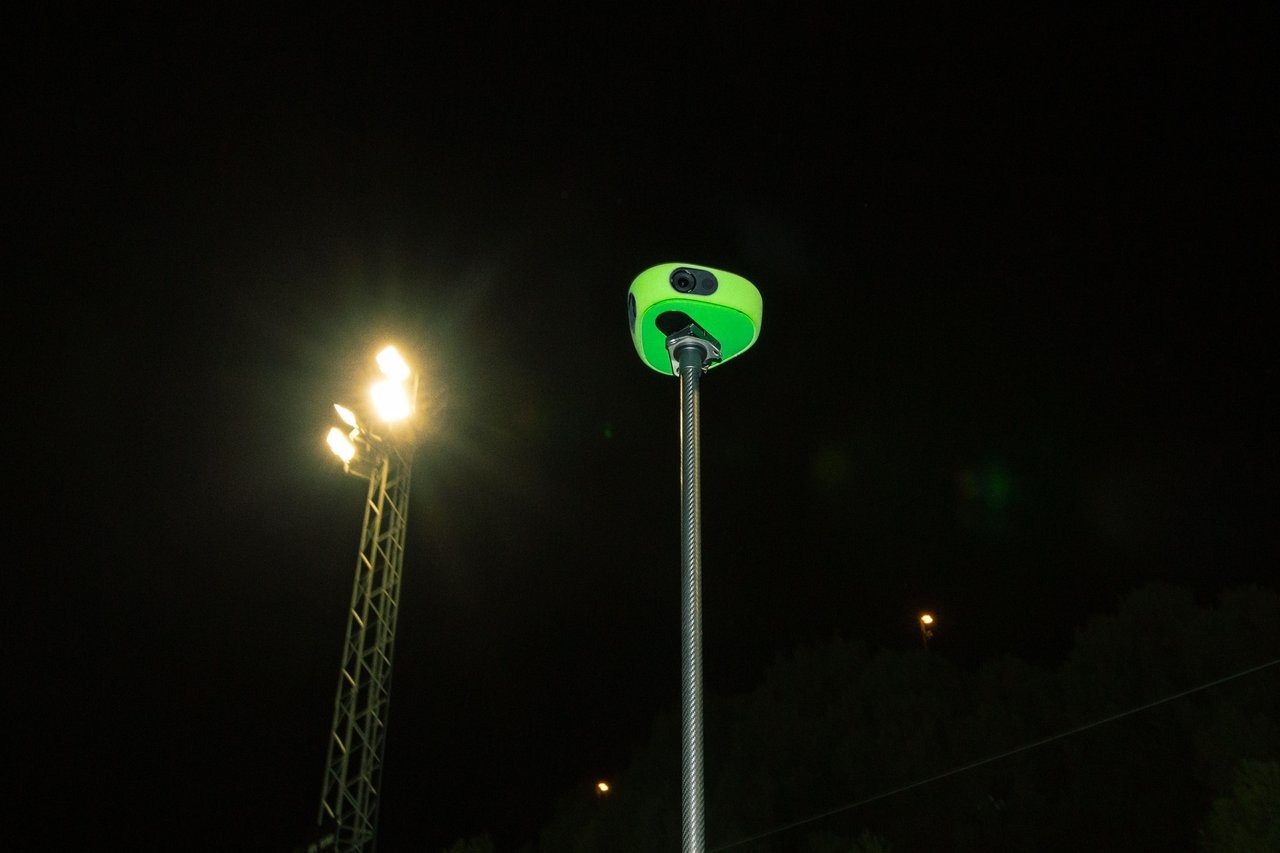
Surprisingly smooth. Our staff was already accustomed to coordinating video coverage, so transitioning to Veo felt like a natural upgrade. Instead of managing camera operators, they just set up the unit and hit “start.”
For indoor sports, we installed wall mounts with help from our facilities team, which saved space and eliminated the need for tripods. Getting staff onto the software was easy, they were genuinely excited to use the upgraded footage for film review and to rewatch their own games.
We had been uploading development film to our YouTube channel for officials, and that workflow continues. The difference now is that we can also share footage publicly so participants can watch as well. This sharing aspect has become a networking tool. Students tag teammates, invite friends to watch, and even connect with peers across campus who discover the games online.
What value does Veo bring to intramural athletes, and how has it impacted their engagement or experience?
The value for the athletes is endless. They can watch their games if they want to evaluate performances or find their feats of greatness. They can also share their games with friends and family who aren't located in West Lafayette. I know for the officials, they like sending plays to mentors and for athletes, they can let their families feel more connected to their Purdue campus experience, even if they live 100 to 1000 to 5000 miles away.
Veo has also helped us expand livestreaming. We would stream some championship games before, but being able to run remote livestreams has been a game changer. Most games now get hundreds of views, whether that’s in a fraternity house living room or back home with parents.

How has Veo changed the way your staff manages games, reviews, and overall program operations?
It has provided some natural management for us. Some players are more aware that their game is being recorded and their behavior may be seen. For students who don't realize that or don't care, it helps us in sporting behavior reviews to see for our own eyes what happened or what was said. More than using it to hold player accountable, we can use it in staff training. Instead of a written scenario, we can show them how a participant is acting and let the staff respond.
How has intramural game footage contributed to student involvement?
With three Veo cameras, we can now film three games at once at almost the same cost as one staffed camera setup. That increased access allows far more student officials to review their own work, study positioning, and improve foul recognition. It’s boosted engagement and ownership among our officials in ways that written evaluations never could.
What metrics, feedback, or outcomes best demonstrate Veo’s impact on your intramural program?
Veo elevates the participant experience while simultaneously improving staff development. Not every athlete or official will use it immediately, but once a core group engages with the platform, interest spreads quickly. Launching the system during a championship event is an easy way to generate early momentum and visibility.
We also recommend promoting the social aspect, encourage students to share clips, tag friends, and invite others to watch. It turns a tech upgrade into a community-building tool.
What would you tell other universities considering Veo, and what best practices would you recommend for a smooth implementation?
Veo can help you with creating a premier participant experience and assist in the development of your staff at the same time. Not every player or official is going to take advantage of it, especially to start, but as small groups start to utilize it, everyone will start to become aware of how your program is taking care of it's people. Kicking it off at a championship game could made it very easy to roll out
What's one thing that used to be difficult or time-consuming in your intramural program that Veo has made easier?
Uploading the video to a viewable format. We previously were moving files from SD Cards to a hard drive then to YouTube. Now it all uploads on it's own into the Veo website where most of our officials will view this. We do download and upload to YouTube for participants and set it for a 1 week delay, but it can be seen by staff as early as right after the event or as late as the next morning.
That efficiency means staff can spend more time engaging with students by answering questions, sharing clips, and creating the connections that make intramurals more than just games.
Strengthening Community Through Smarter Video
For Purdue Intramurals, Veo has become more than a filming tool. It’s a platform that supports student development, strengthens accountability, and brings the campus community closer together. By removing the barriers of traditional video workflows and expanding access to high-quality footage, Purdue has elevated both the participant and staff experience. The result is an intramural program that’s not only easier to manage, but more connected, more transparent, and more impactful for everyone involved. As more students engage with the technology and officials incorporate video into their growth, Veo continues to shape a culture of learning, sportsmanship, and shared pride. Purdue’s approach shows how video can enhance not just the games themselves, but the relationships, opportunities, and experiences that make intramurals such an important part of campus life.
Special thanks to the entire Purdue RecWell team for their time, insight, and support. For more information about Purdue Intramurals and RecWell programs, please visit https://www.purdue.edu/recwell/sports-and-programs/intramural/index.php