How SDSU Recreation Uses Veo to Elevate Officiating, Accountability, and Student Development
Veo
From faster incident reviews to student-led training and livestreamed championships, SDSU Recreation shows how Veo strengthens accountability and elevates the campus sports experience.
San Diego State University has built one of the most comprehensive Veo deployments in collegiate recreation, spanning over a dozen sport club teams and a daily intramural program that runs five nights a week. What began as a smarter alternative to renting third party cameras for a flagship soccer tournament has grown into a campus-wide system that supports officiating development, incident review, livestreaming, and student leadership.
Intramural and sport club programs face a unique challenge. They must deliver a high quality participant experience while training student staff, managing conduct, and supporting program growth across multiple sports. Aztec Recreation, part of Associated Students, uses Veo across both sport clubs and intramurals to meet those demands and expand access to game film across campus.
We spoke with Adam McClanahan, Competitive Sports Coordinator, and Adrian Macias Sanchez, Competitive Sports Supervisor, about why Aztec Recreation added Veo, how it is used across programs, and the impact it has had on officials, staff, and the broader campus community.
How did Veo first become part of SDSU’s recreation programs?
Adam: We acquired Veo about a year and a half ago, so we’re in our second academic year using it. We were first introduced to it through a large tournament our men’s soccer club hosts called the Aztec Cup. After seeing it there, we realized it could be valuable across a lot of our teams and programs.
Which sports are you using Veo for?
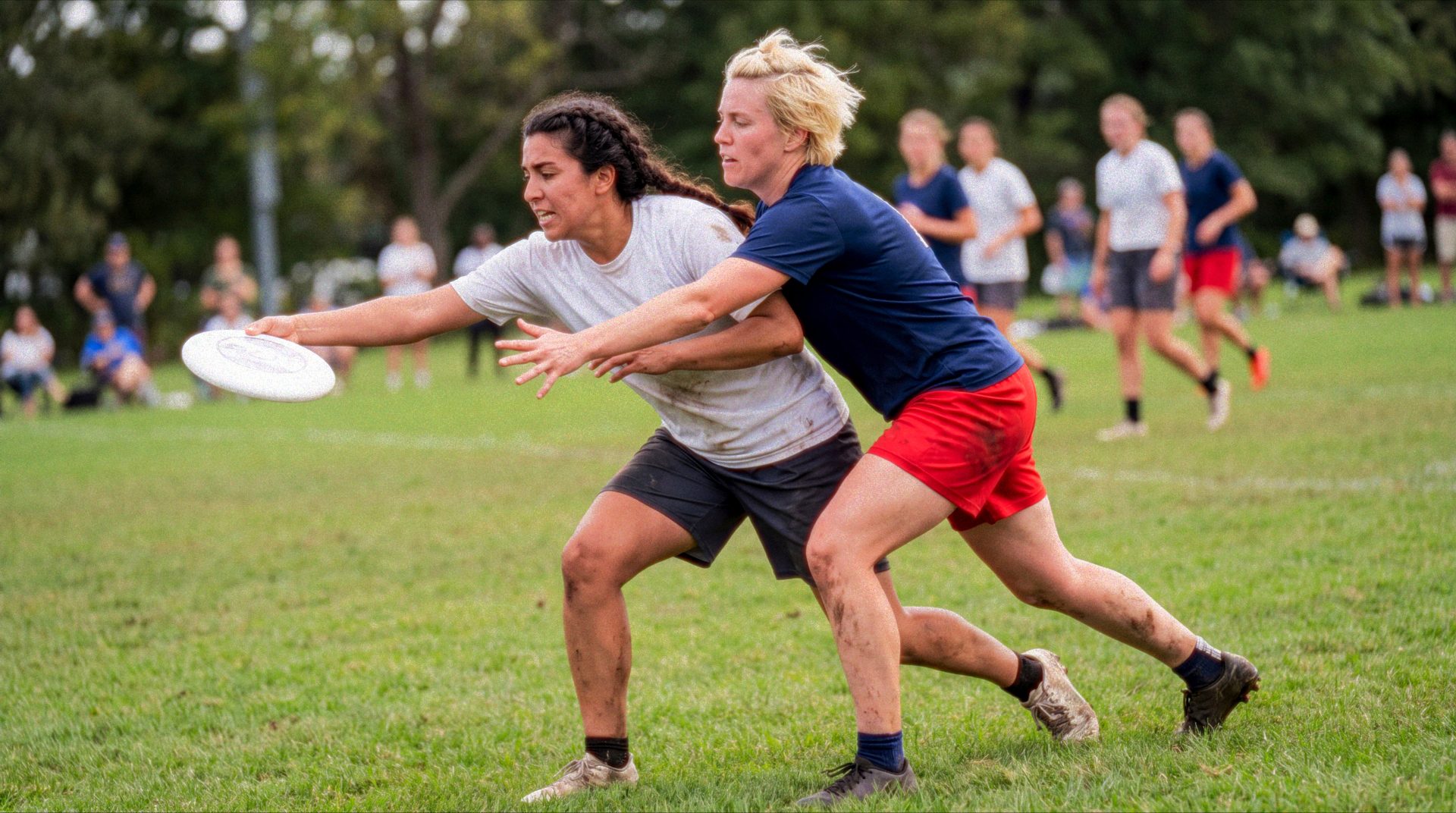
Adam: On the sport club side, we’ve used it for baseball, men’s lacrosse, men’s rugby, men’s soccer, men’s ultimate frisbee, men’s volleyball, women’s lacrosse, women’s rugby, women’s soccer, women’s ultimate, and women’s water polo.
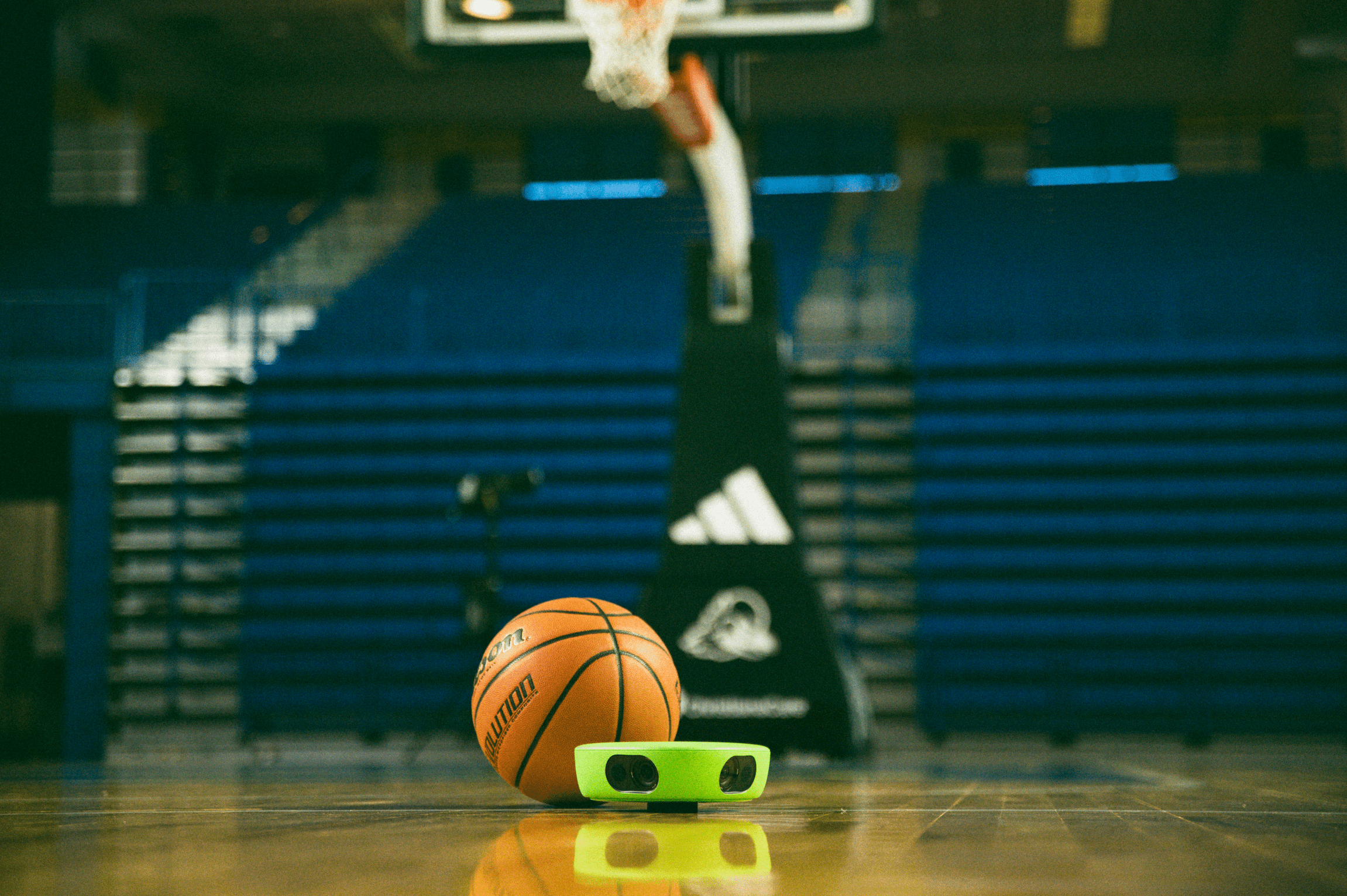
Adrian: On the intramural side, we use it primarily for basketball, soccer, flag football, volleyball, and we’ve added dodgeball recently too.
How often do you use the cameras?
Adam: For sport clubs, we’re using them every weekend. We have four cameras. We prioritize on-campus needs, and teams can also check them out to travel. They’ve taken them to nationals, flown with them out of state, and traveled with them by bus. They get used every weekend.
Adrian: For intramurals, pretty much every day. Our leagues run Sunday through Thursday nights, so we’re regularly setting them up and recording games throughout the week.
What challenges or gaps were you looking to solve in your intramural program when you first explored adding Veo?
Adrian: We initially saw it as a way to help train our officials. All of our intramural games are officiated by student staff members, so the question was how we could help our staff get better, which ultimately creates a better experience for the participants. We started recording and quickly saw the training value.
Adam: The primary use early on was reviewing officiating. We could pull clips and use them in trainings. Official development was the main reason we started using it for intramurals, and it’s grown from there.
How has Veo changed the way your staff manages games, reviews, and overall program operations?
Adrian: It adds accountability in a positive way. When officials know the camera is rolling and that we will review footage, there’s a higher standard. It helps the staff take the role seriously and helps us create teaching moments using real situations.
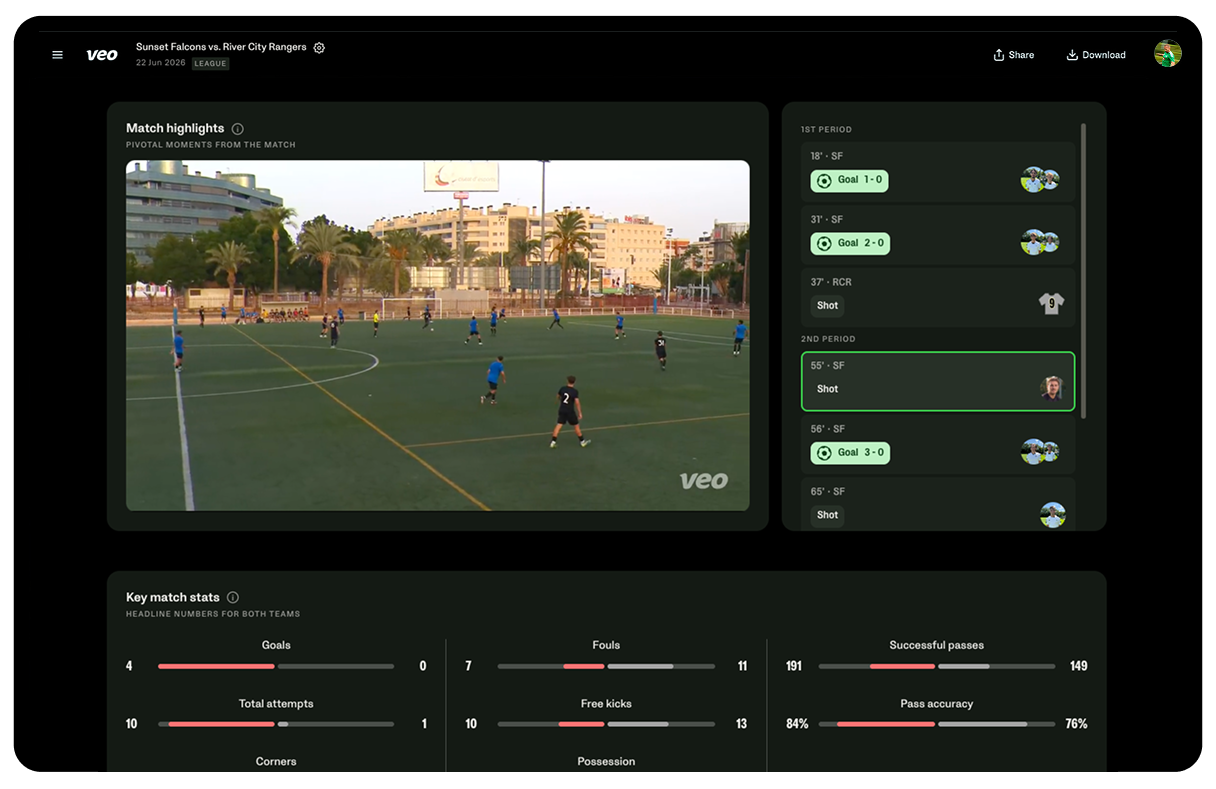
Adam: One of the biggest operational impacts has been audio. Veo’s audio quality has helped a lot with incident reviews. We’ve had situations where we can confirm exactly what was said and when, and that lets us conduct investigations much faster and more confidently.
What metrics, feedback, or outcomes best demonstrate Veo’s impact on your intramural program?
Adam: We report how many games we record as a clear usage metric to show we’re getting value out of the platform. But one of the biggest outcomes is how much faster incident reviews have become. Something that could take up to two weeks can now take closer to a few days because we have the footage and audio and can get to the facts quickly.
Do students buy-in to the footage? Are they rewatching games or using livestreaming?
Adam: On the sport club side, absolutely. We have two film rooms they can request and teams watch film all the time. Some teams will even cancel a field practice to do a film session after a big tournament weekend. We also have paid coaches logging time reviewing film and bringing insights back to the clubs.
We also made livestreaming easier by having our IT department log the cameras into the university Wi-Fi so they stay connected on campus. If teams are on campus, livestreaming is very easy. For sport clubs, we livestream basically everything we can on campus.
Adrian: For intramurals, we are not livestreaming as much day to day because we’re not staffing someone specifically to manage livestreaming. We are recording consistently. For championship games, we do livestream because it adds to the moment and gives students something special.
We also get teams reaching out asking for footage. Right now the main use is training, but we do see the engagement value, especially for championship games.
What do you think students gain from being able to rewatch themselves or share games with friends and family?
Adam: For sport clubs, it’s huge. We have students from all over the country and the world. Being able to have family and friends watch their games without paying a third party is a big deal. It improves program buy-in and helps our clubs feel connected to their communities.
For intramurals, being able to share a championship game adds to the experience. Students can share it with roommates, friends, and family who cannot be there in person.
What would you tell other universities considering Veo, and what best practices would you recommend for a smooth implementation?
Adam: Systems matter. First, you need a structured checkout process so it’s not a free-for-all. We use a request form with event details so we can prioritize.
Second, training. At the beginning of each semester, I send an email with Veo training resources. We include platform links, how to use the app, and guidance tailored to our student leaders.
Third, training on the physical setup. Students need to know where to place the camera, how to handle long tournament days, how to power it, and how to transport it. Those details prevent mistakes and keep everything running smoothly.
Adrian: If you’re using it day to day like we do, you have to train staff on the habits that keep it working. For example, when a shift ends, plug the camera in and let footage upload. If it isn’t uploaded, you can’t review it the next day without delays.
Adam: Adrian has also done a great job training student leaders to pull clips and build training presentations themselves. That way, it’s not one administrator doing everything. Student leaders learn skills that are genuinely transferable, like creating clips, building training materials, and holding peers accountable.
What is your favorite feature or something you find particularly useful about Veo?
Adam: For me, it’s being able to check in from anywhere. I’m not at every game or event, so I can open Veo Live and see what’s happening without interrupting staff. Even after a game ends, I can jump in and quickly see the result. It makes oversight much easier.
Adrian: Similar for me. I can check in and make sure everything is going the way it should. If staff messages me that something happened, I can quickly look back at the footage to understand the situation.
Looking back, what made Veo the right choice for SDSU compared to other solutions you considered?
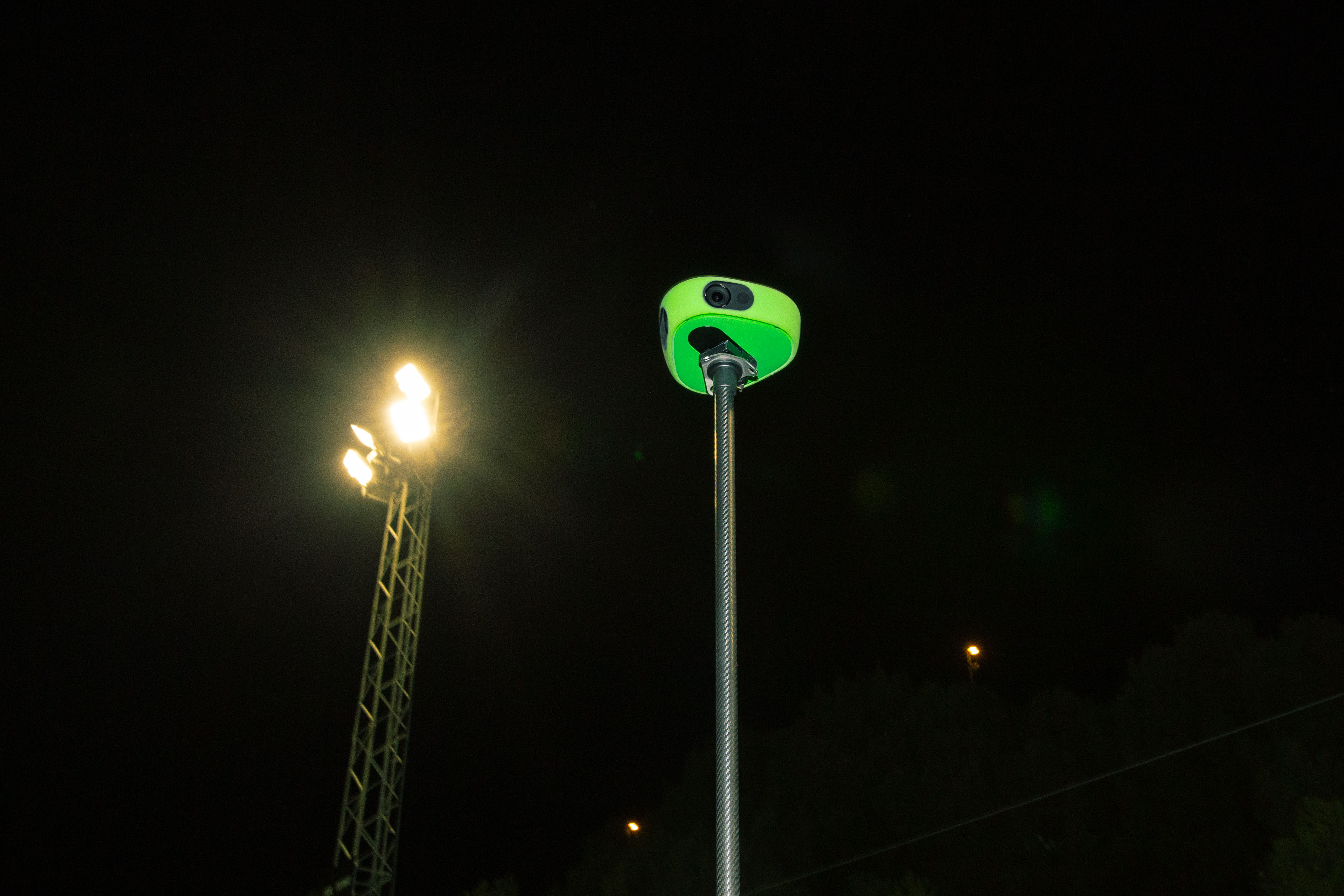
Adam: Mobility was the biggest factor. We can use it anywhere and move it as needed. A lot of other options were more fixed and required permanent installation. On campus, it being connected to Wi-Fi also makes livestreaming much easier.
Cost was another big part. When we looked at what our sport clubs were paying for third party livestreaming, the annual cost of Veo was lower than what teams were spending collectively. It made sense for us to centralize and support that for the programs.
Adrian: Mobility is a big one for intramurals too. We can record our higher intensity games, then pick up the camera and move it to a different sport or field later that night. That flexibility makes it easier to capture the most valuable footage for training.
Empowering Students Through Accountability and Access
SDSU’s Aztec Recreation shows what’s possible when game film is treated as more than a highlight reel. By using Veo across both sport clubs and intramurals, the team has built a consistent, scalable way to develop officials, support student staff, and protect the integrity of competition through faster, clearer incident review. Just as importantly, they have expanded access. Athletes can rewatch and improve. Coaches can teach with real moments. Families and friends can stay connected through livestreams, especially when it matters most.
For Adam and Adrian, the success has come from pairing the technology with strong systems. Clear checkout processes, repeatable training, and student-led clip creation have turned Veo into an everyday tool that strengthens accountability and builds transferable skills. The result is a better participant experience, a stronger student workforce, and a recreation program that continues to grow with confidence, one game at a time.
Special thanks to Adam McClanahan and Adrian Macias Sanchez for their time, insight, and support. For more information about SDSU Aztec Recreation intramural and sport club programs, please visit https://as.sdsu.edu/