How to Use Soccer Video to Get Recruited to College
Frederik Hvillum
How high school soccer players use match footage to get recruited to college. What coaches want to see and how to build a recruiting video that works.
A high school soccer player gets recruited to college by making it easy for coaches to evaluate them. Match footage does that better than anything else: real games, real decisions, real performance under pressure. A 3 to 5 minute reel built from consistent recording across a season gives college coaches the evidence they need. Here is how it works.
College soccer recruiting has changed. Players who wait to be discovered at elite showcases are competing against players who have sent a coach exactly what they wanted to see before the tournament even started.
"Everybody wants to be discovered, right? But that's not what it's about," says Tibor Pelle, who runs the college advisory program at Phoenix Rising and has spent more than 15 years helping student athletes navigate the process. "Individual players have to know how to reach out to college coaches."
Video is how they do it.
What do college coaches look for in a soccer recruiting video?
College coaches are evaluating one thing above everything else: can this player perform at the next level? They are not looking for spectacular moments. They are looking for consistent evidence of technical quality, decision-making, and composure under real match conditions.
"If you watch a whole game, well, you're going to see the good, the bad and the ugly. But coaches need that. They're not going to make a decision on you until you've gotten that due diligence out of the way," says Pelle.
The footage that works is footage from real competitive matches, not training sessions or showcase games with reduced intensity. Full match recordings show how a player performs over 90 minutes, how they respond when tired, and how their decision-making holds up under pressure. Highlight reels catch attention. Full match footage builds the case.
For Ivy League programs specifically, remote evaluation through video is the primary method. Harvard coaches are not travelling to suburban New York to watch a high school goalkeeper. They are watching footage, and making judgments about technical quality and composure based on what they can see on screen.
How long should a soccer recruiting video be?
A soccer recruiting video should be 3 to 5 minutes. College coaches receive dozens of reels and make quick decisions about which players merit a longer look. A reel that runs longer than five minutes without establishing value loses the coach's attention before it builds a case.
The structure that works: open with your strongest two or three clips, maintain quality throughout, and do not include footage that makes you look ordinary in order to reach a target running time. A strong three-minute reel outperforms a padded seven-minute one every time.
If the initial reel prompts interest, the coach will ask for full match footage. That is where consistent recording across a season matters: the player who has every match available can respond immediately. The player who filmed three games has limited options.
What should a soccer player include in their recruiting video?
The content depends on the position, but the principle is consistent: show your full game, not just your best individual moments.
Garry Preece, who has coached varsity soccer at Ballston Spa High School for 16 years, watched one of his goalkeepers use match footage to get into Harvard. He describes what went into the reel: "He did a lot of diving saves, but also solid passes and the decision making that he made. So he used both. He used the game film for good saves and good decision making, good passing."
That combination matters. A goalkeeper who only shows saves is demonstrating reflexes. A goalkeeper who shows saves, distribution, and decision-making is demonstrating footballing intelligence. College coaches at competitive programs are recruiting the second player, not the first.
For outfield players, the same principle applies. Show your movement off the ball, your positioning, your pressing, your decision-making in tight spaces, alongside the goals and assists that highlight your attacking contribution.
Consistent match recording changes the recruiting dynamic for players at high schools that lack dedicated video staff. Every match is documented. Every strong performance is available to review. Players can access their own footage, identify their best clips, and build a reel themselves without requiring a coach to produce it.
"There's nothing better than a little bit of video, because video ends up being sort of the bait that you can put on a hook, right? You cast it out there," says Pelle. "In the ideal world, the video footage that a kid will get will give them what they need to answer the question: what can you do for me?"
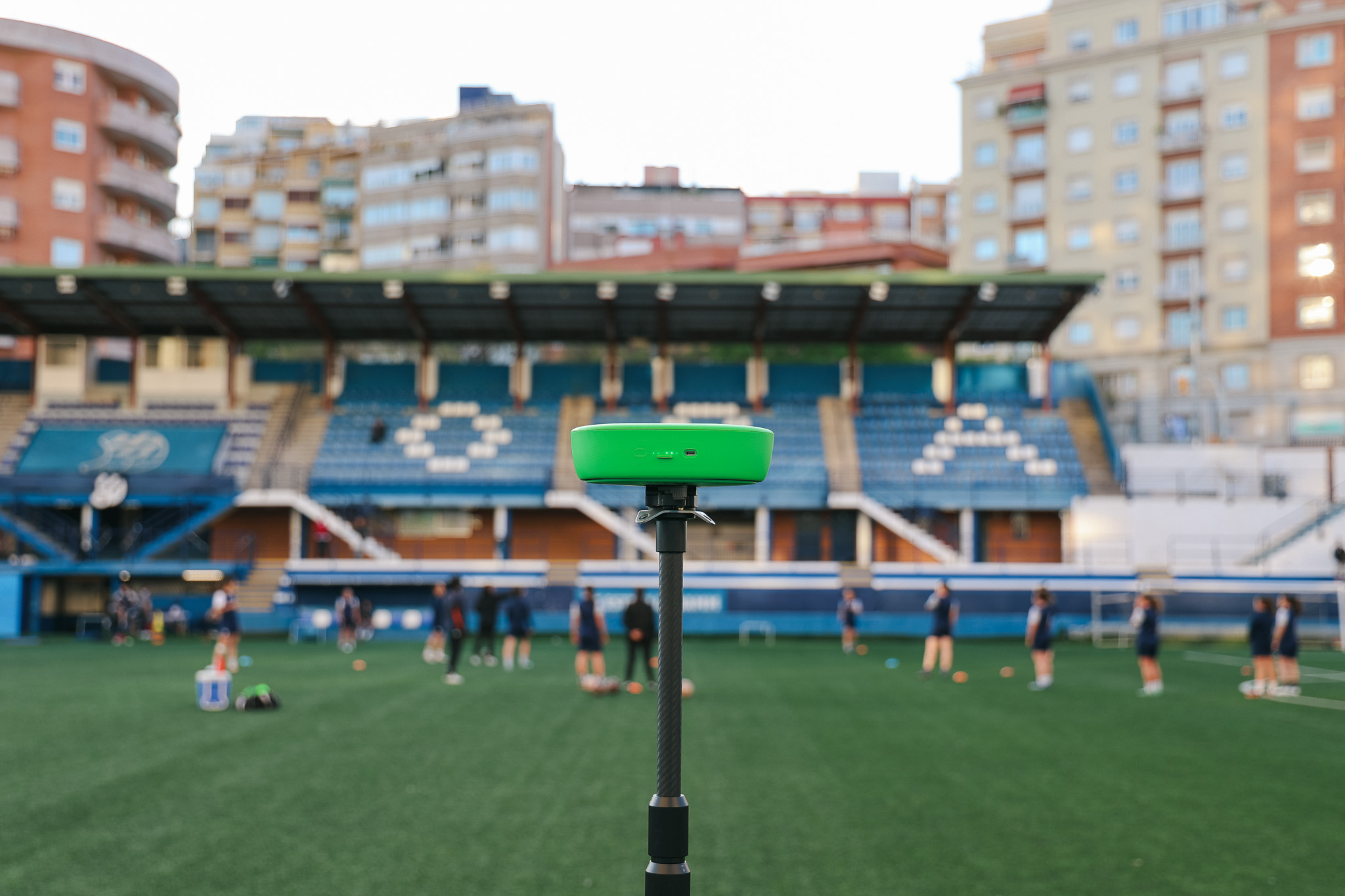
Veo Cam 3 records full matches automatically from an elevated position without a camera operator. Once the match ends, footage uploads to the Veo platform where players can create their own accounts, review their performance, and build a recruiting reel directly from match clips. Garry Preece's goalkeeper used exactly this system to produce the footage that got him into Harvard.
See how Veo Player Profile lets players build and share a recruiting reel from match footage

When should a high school soccer player start building a recruiting video?
Junior year is the conventional answer, but the players who have the most options start earlier.
Building the habit of reviewing and saving strong clips from sophomore year means a player has material from two full seasons when recruiting conversations begin in earnest. College coaches at competitive programs are often making offers to juniors. A player who starts recording in junior year has one season to work with. A player who started in sophomore year has two.
The practical implication: record every match, every season, from as early as possible. The footage from a strong sophomore season may not be in the final reel, but it exists as material, and it builds the habit of reviewing performance that develops the self-awareness coaches want to see in recruits.
How does video recruiting help players at smaller high school programs?
The conventional assumption in US college soccer is that elite recruitment flows through elite club programs, expensive showcases, and the network of coaches who attend them. Players at public high schools in smaller towns have historically faced a structural disadvantage that had nothing to do with their ability.
Video changes that assumption.
Preece's goalkeeper at Ballston Spa was not discovered at a showcase. He was evaluated through footage he assembled himself from a public school program in Saratoga County, New York. The footage gave Harvard's coaches what they needed to make a judgment, and it gave the player a path into the conversation that the traditional showcase model would not have opened.
Over 40,000 clubs across 100 countries now use Veo to document matches and support player development (Veo internal data, 2026). The reach matters: a player anywhere with consistent match footage is visible to any coach willing to watch it.

FAQs
Yes. Veo records matches automatically from an elevated position, and players can create their own accounts to access footage, review their clips, and build a recruiting reel directly from match footage. Coaches can receive a link to the Player Profile where they can request full match access. This gives players at any school the same footage quality and access that elite programs provide.
Build it from match footage rather than training clips. Record every match across the season so you have material to choose from. Select your best three to five minutes of footage that shows your technical quality, decision-making, and composure, not just your highlight moments. Upload it to a recruiting platform like Veo Player Profile where coaches can request to watch your full match footage if the reel interests them.
There are many good drills for football that you can do, depending on the skills you want to improve. Some examples include passing and receiving drills, shooting drills, dribbling drills, and footwork drills. It's important to choose drills that challenge you, but are also within your skill level so that you can gradually improve over time.


%20(1).jpg)
.jpg)