Youth Sports Equipment Checklist for Every Sport and Budget
Frederik Hvillum
.jpeg)
What gear does your child actually need for youth sports? Equipment checklists for soccer, baseball, lacrosse, basketball and American football with honest budget guidance.
The first thing most parents do when their child signs up for a new sport is search for what they need to buy. The results are usually overwhelming: full equipment bundles, premium gear recommendations, and lists that include items the child will not need until they are playing at a competitive level. For a nine-year-old starting youth lacrosse or baseball, most of that list is unnecessary.
This guide covers exactly what your child needs for each sport to participate safely, what can wait until they are older or more committed, and where the honest spending thresholds are for starter gear. It also covers the one piece of technology that has practical value across almost every youth sport from the first season.
Record every game and practice automatically
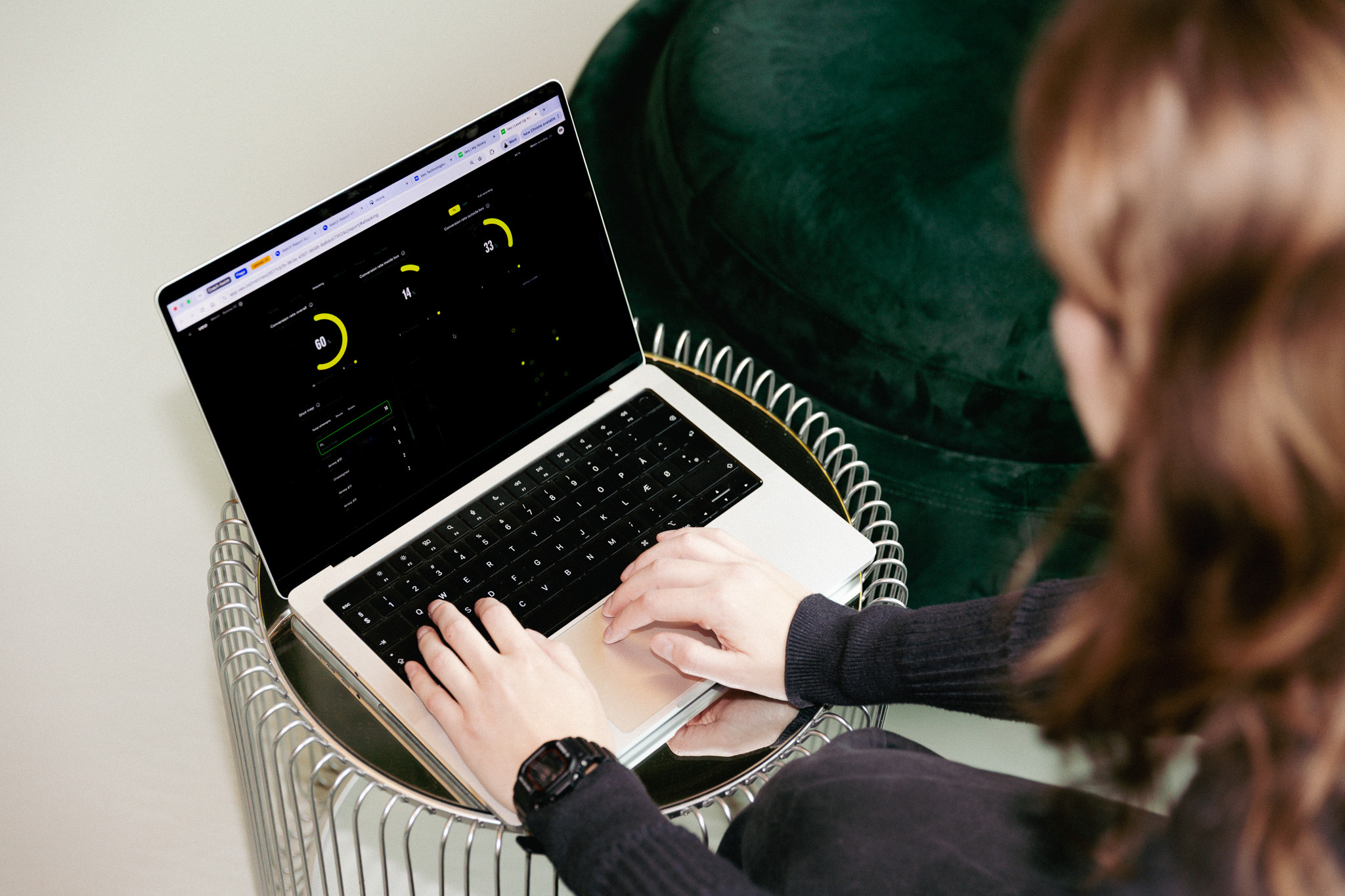
Veo Go turns any iPhone into an AI-powered sports camera. One setup, every sport, every session captured without a camera operator.
.jpeg)
Youth sports equipment overview
The table below covers the five most common youth sports. Essential gear is what your child needs to participate safely from day one. Optional upgrades are worth considering once you know the child is committed to the sport and playing regularly.
| Sport | Essential gear | Optional upgrades | Starter cost |
|---|---|---|---|
| Football (soccer) | Cleats, shin guards, ball, kit | Goalkeeper gloves, training cones | $80-$150 |
| American football | Helmet, shoulder pads, cleats, mouthguard | Gloves, back plate, wrist coach | $200-$400 |
| Baseball / softball | Glove, batting helmet, cleats | Bat, batting gloves, catcher's gear | $100-$250 |
| Lacrosse | Helmet, gloves, arm pads, stick, cleats | Rib pads, upgraded shaft and head | $200-$350 |
| Basketball | Court shoes, athletic shorts and jersey | Knee pads, ankle braces, training ball | $50-$120 |
Sport-by-sport equipment guide
Football (soccer)
Soccer has one of the lowest equipment entry costs of any team sport. The essentials are cleats, shin guards, and a ball. Most youth clubs provide the kit (jersey, shorts, and socks) as part of the registration fee, so the parent's upfront cost is usually limited to footwear and protection.
- Cleats. Firm ground cleats for grass pitches, turf cleats for artificial surfaces. Avoid metal studs for youth players. A mid-range pair ($40 to $70) will last a full season for most young players.
- Shin guards. Required at all youth levels. Slip-in guards with compression sleeves are the easiest for young players to manage. Replace when the child grows out of them.
- Ball. Size 3 for U8 and below, size 4 for U9 to U12, size 5 for U13 and above. A training ball does not need to be match quality. A $20 ball works fine for home practice.
For the practice structure coaches use with this equipment, see the youth football practice guide.
American football
American football has the highest essential equipment cost because of the helmet and shoulder pads required for contact play. Flag football eliminates this entirely and is the appropriate format for players under 10. If your child is playing tackle, do not cut corners on head protection.
- Helmet. The most important piece of equipment. Buy new, not used. Budget $80 to $150 for a certified youth helmet. Used helmets may have hidden structural damage that is not visible from the outside.
- Shoulder pads. Must fit correctly. Pads that are too large shift under contact and reduce protection. Have your child sized at a sporting goods store before buying online.
- Mouthguard. Required at all youth levels. A boil-and-bite mouthguard ($5 to $15) provides adequate protection. Replace at the start of each season.
- Cleats. Football cleats with a toe stud for better acceleration. Mid-cut provides ankle support for skill positions.
Baseball and softball
Baseball and softball have a wide equipment range because the position your child plays determines what gear they need. Start with the universals and add position-specific gear as roles become established.
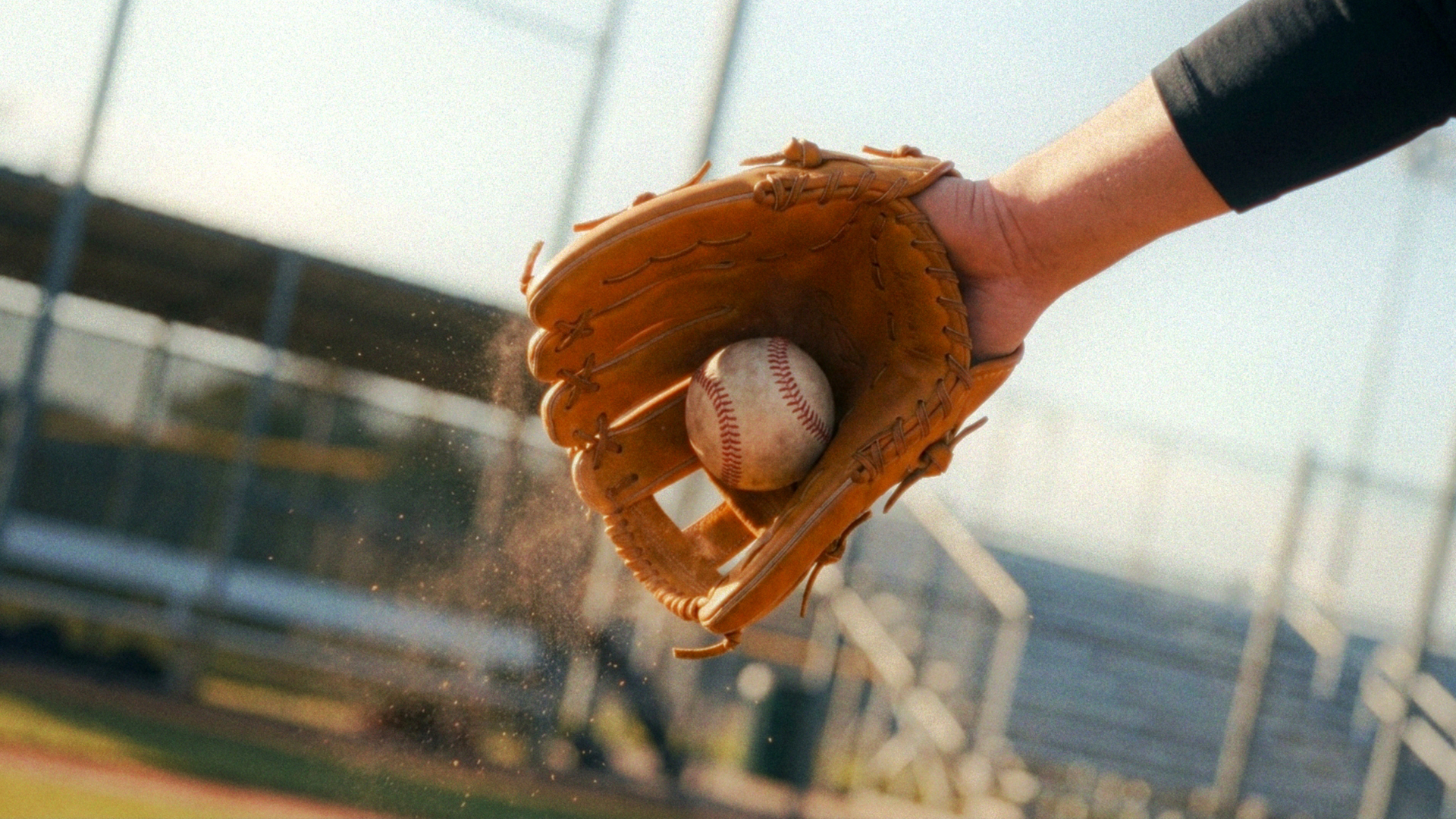
- Glove. The most personal piece of equipment in baseball. Buy the right size for the child's age and position. A properly broken-in glove at a mid-range price ($40 to $80) is better than an expensive glove fresh out of the packaging.
- Batting helmet. Required for every at-bat at youth level. Always buy new. Dual ear-flap helmets provide more protection for young hitters who may not yet have consistent bat control.
- Cleats. Molded rubber cleats for youth players. Metal cleats are typically not permitted until high school level.
- Batting gloves. Optional for beginners but useful for comfort and grip. Not a safety item.
For coaching tips across a full youth baseball season, see the youth baseball coaching guide.
.jpeg)
One camera that works for every sport on this list
More than 40,000 clubs across 100 countries use Veo to store and share footage, with over 4 million matches filmed on the platform (Veo internal data, 2026). Veo Go records automatically, works indoors and outdoors, and covers every sport your child plays.
Lacrosse
Lacrosse has the most complex equipment requirements, particularly for boys' field lacrosse which requires full protective gear. Girls' lacrosse has lighter requirements: goggles and a mouthguard are required, but full helmets are not.
- Helmet (boys' field lacrosse). NOCSAE-certified helmet required. Do not use used helmets that cannot be recertified. Budget $60 to $120 for a youth-appropriate helmet.
- Gloves. Protect the back of the hands and wrists where checks land. Sizing matters: gloves that are too large make it difficult to control the stick.
- Arm pads. Elbow protection required for boys' lacrosse. Lightweight arm pads are adequate for youth players.
- Stick. A complete youth stick ($30 to $60) is the right starting point. Higher-end shafts and heads make minimal difference at beginner level.
- Cleats. Football cleats work for lacrosse. Dedicated lacrosse cleats are a later upgrade.
For developing fundamental stick skills, see the youth lacrosse drills for beginners guide.
Basketball
Basketball has the lowest equipment entry cost of any team sport. The barrier to participation is close to zero for families on tight budgets. Most of the spending in basketball comes from footwear, where the marketing pressure on young players is intense and the performance differences between price points are smaller than the marketing suggests.
- Basketball shoes. The one genuine investment. Court shoes with ankle support reduce the risk of ankle injuries that are the most common problem in youth basketball. Budget $40 to $80 for a pair that will last a season.
- Athletic shorts and jersey. Most clubs provide jerseys. Lightweight athletic shorts are the only other essential.
- Ball. Size 5 for U10 and below, size 6 for U11 to U14 girls, size 7 for U15 and above boys. A quality training ball ($20 to $40) is worth buying for home practice.
For the coaching and development pathway in basketball, see the youth basketball coach certification guide.
Honest budget guidance for youth sports equipment
The youth sports equipment market is designed to make parents feel that better gear produces better players. At youth level, this is largely false. A child's development is determined by coaching, practice time, and engagement with the sport. Equipment that fits correctly and meets safety standards is all that is required.
- Buy the correct size, not the correct brand. A helmet that fits is safer than an expensive helmet that does not. A glove sized for the child's hand will perform better than a premium glove that is too large.
- Buy essential safety gear new, share or borrow optional items. Helmets and protective gear should always be purchased new. Balls, training cones, and optional accessories are reasonable to share between families or buy used.
- Wait one season before investing in premium gear. Many children try a sport, enjoy it for one season, and move on. Buying premium gear before the child has demonstrated sustained interest wastes money that could go toward a second season of participation.
The one piece of technology worth buying for youth sports
Most youth sports technology produces limited value for recreational youth players. One category is different: automatic video recording.
A camera that records training sessions and games without a camera operator serves every sport your child plays, produces footage that has genuine development value at any level, and creates a record that parents, coaches, and players can all use. Veo Go uses an iPhone as the camera and AI tracking software to follow the action automatically. One setup covers a soccer game, a baseball practice, a lacrosse session, and a basketball scrimmage without any additional equipment or configuration change.
The practical value for families is that the same investment covers every sport the child plays across multiple seasons. For how parents can use this footage to connect with their child's development, see the parent guide to youth sports.
One setup for every sport your child plays
Veo Go sets up in under 2 minutes. Works outdoors and indoors. Records automatically so parents can watch the game and coaches can review it the same evening.
Related reading
- Youth football practice guide
- Youth baseball coaching tips
- Youth lacrosse drills for beginners
- Youth basketball coach certification guide
- Parent guide to youth sports
.jpeg)

FAQs
The essentials vary by sport but follow the same logic: buy what is required for safe participation and nothing more for the first season. For soccer: cleats, shin guards, and a ball. For American football: a certified helmet, shoulder pads, mouthguard, and cleats. For baseball: a glove, batting helmet, and cleats. For lacrosse: a helmet, gloves, arm pads, and a complete stick. For basketball: court shoes and athletic shorts. Optional items can wait until the child is committed to the sport.
Starter costs range from around $50 to $80 for basketball (shoes only) to $200 to $400 for American football tackle gear. Soccer starter gear runs $80 to $150, baseball $100 to $250, lacrosse $200 to $350. These figures cover essential gear only. Premium brands and optional upgrades can double these totals but rarely produce proportional improvement in development or safety for youth players.
For most gear, yes. Used cleats, balls, bats, sticks, and training equipment are all reasonable purchases. Used helmets are the exception. Helmets can sustain internal structural damage that is not visible from the outside, and the safety certifications on helmets are time-limited. Always buy helmets new, and replace them according to the manufacturer's guidelines.
Yes, each sport has specific mandatory gear. The overlap between sports is limited mostly to footwear: football cleats work for lacrosse, and general athletic footwear covers basketball and indoor sports. The main multi-sport purchase that makes sense is a camera for recording sessions, which produces value across every sport without any modification.
For contact sports, the helmet. A helmet that fits correctly and meets current safety certification standards is the highest-impact purchase a parent makes. For non-contact sports, footwear: sport-specific shoes that fit correctly and provide appropriate support reduce the most common injuries at youth level.
.jpeg)