Youth Football Game Day Preparation: The Complete Checklist
Frederik Hvillum
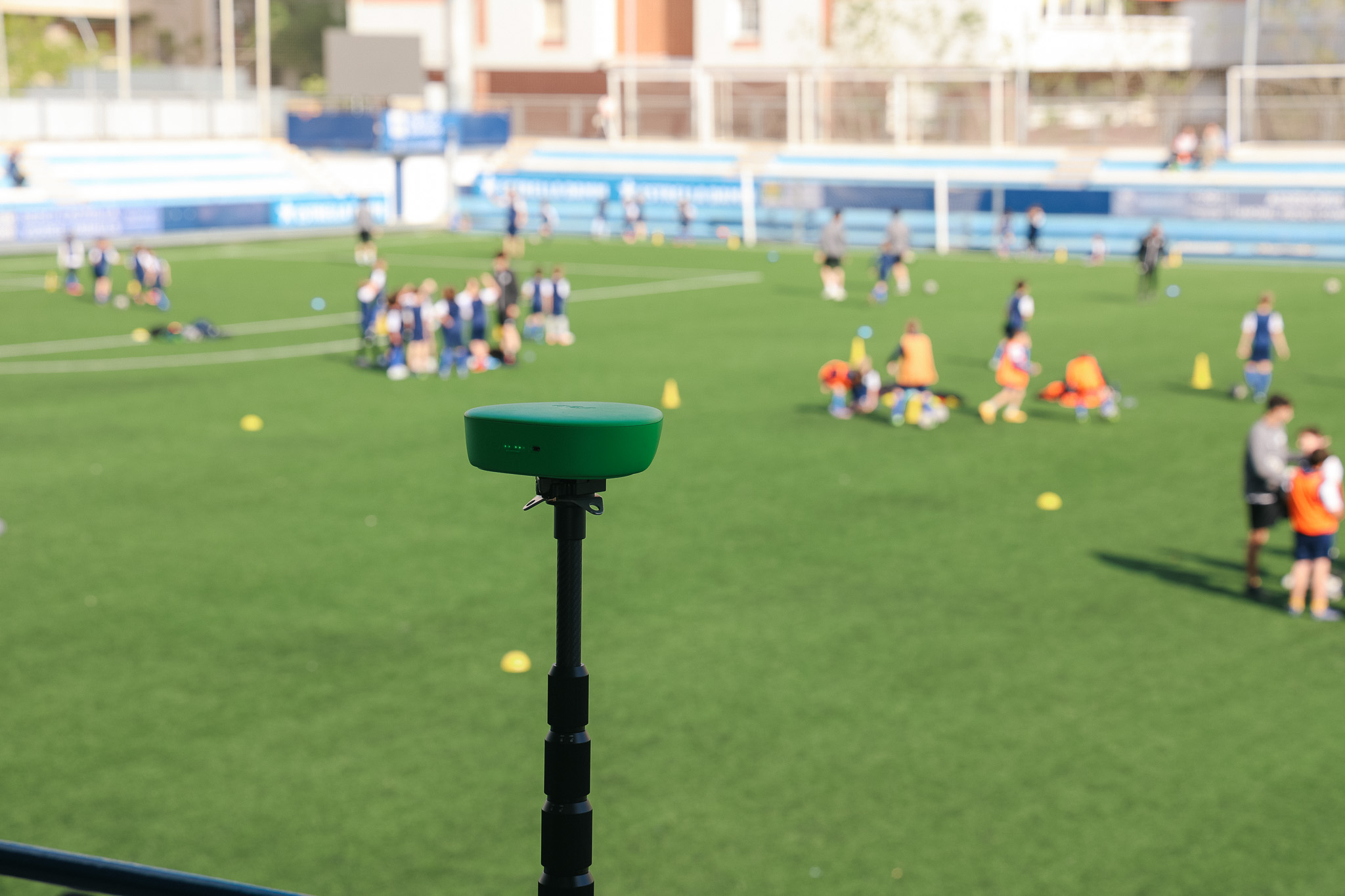
The complete game day checklist for youth football coaches: warmup, team talk, half-time, post-match routine, and how to get the most from match footage.
Game day is where everything your team has worked on in training gets tested. How prepared you are as a coach determines how much your players can actually focus on playing. A clear routine from the night before to the final whistle removes uncertainty, reduces last-minute decisions, and gives your players the best chance to perform.
This checklist covers every phase of game day for youth football coaches and team managers: preparation the night before, the pre-match warmup, team talk, half-time, post-match review, and how to use match footage to turn every game into a learning session.
Capture every game with Veo Go
Set up in under 2 minutes before kick-off. No operator needed. Full match footage ready to review with your players the same evening.
.jpg)
The game day checklist
The night before the game
Most game day problems start the night before. Kit that is not packed, a team sheet that has not been confirmed, and a tactical plan that has not been thought through all create stress on the morning of the match. A 20-minute preparation routine the evening before eliminates almost all of it.
Confirm your team sheet
Contact any players you are uncertain about by 7pm the night before. A late withdrawal on game day with no backup plan puts you in a difficult position. Know your starting lineup and your first substitution rotation before you arrive at the ground.
Pack the kit bag
Use the same checklist every week so nothing gets forgotten. Balls (one per three players minimum), cones for warmup drills, bibs, a first aid kit, a printed team sheet, and any paperwork your league requires. If you are filming the match, pack the camera and tripod the night before.
Prepare one tactical focus point
Decide before you arrive what you want your team to focus on. One specific, actionable point that comes from your last training session. "When we win the ball in our own half, look up before passing back" is a focus point. "Play better in possession" is not.
Pre-match routine (30 minutes before kick-off)
Set up your camera first
If you are filming the match, set up before players arrive. Finding the right position takes a few minutes and you do not want to be doing it while players need your attention. Coaches using Veo Go set it up in under two minutes. The camera handles the rest automatically throughout the match, so there is no need for a dedicated operator.
Run a structured warmup
A good youth football warmup has three stages: dynamic movement (5 minutes), passing and ball work (10 minutes), and a short burst of high-intensity activity to get heart rates up before kick-off (5 minutes). Keep it familiar. Game day is not the time to introduce new warmup exercises.
For warmup drill ideas that keep players active from the first minute, see the youth football practice guide.
Keep the team talk short
Players are ready to play. A long team talk at this point works against you. Deliver your one tactical focus point, name one or two players specifically ("Marcus, today I want to see you press their centre-back as soon as they have the ball"), and send them out.
A team talk that runs more than 4 minutes before kick-off for a youth team is too long. If you have more to say, save it for half-time.
.jpg)
Turn every match into a learning session
More than 40,000 clubs across 100 countries use Veo to store and share match footage, with over 4 million matches filmed on the platform (Veo internal data, 2026).
Half-time
Half-time with a youth team is short, often only 5 minutes. Use it well.
- Let players recover first. Give them 90 seconds to get water and catch their breath before you say anything.
- Name one thing working. Be specific: "Our pressing in the first 10 minutes was exactly what we practised. They could not play out from the back."
- Name one thing to adjust. One point only. "In the second half, when their left back has the ball, I want the wide midfielder to press immediately. We are giving him too much time."
- Ask a question. "What are you noticing out there?" Players who can identify problems during a game develop faster than players who wait to be told what to change.
Post-match routine
What happens in the 10 minutes after the final whistle shapes how players remember the game and how much they take from it into the next session.
Separate result from performance
A win after a poor performance and a loss after a strong one require the same response: honest, specific feedback focused on the things the team can control. Players who are praised only for winning and criticised only for losing learn to care about results above everything else. That is the wrong lesson at youth level.
For more on building this mindset across your club, see the guide to youth football coaching philosophy.
Two positives, one theme
Keep the post-match brief: two specific things the team did well, and one theme to carry into the next training session. Save detailed tactical analysis for the next practice when players are fresh and can act on what they hear.
Using match footage to extend game day learning
The most valuable coaching moment often happens after the match, not during it. When players can watch their own performance, the feedback loop tightens dramatically. A player who watched themselves give away possession three times in the same situation understands the problem in a way no post-match team talk can replicate.
Coaches using Veo Go have footage available on the platform the same evening. Before the next training session, clip two or three moments from the match (one defensive, one offensive, one individual) and use them as the starting point for skill work. Players who arrive having already watched the clips are more receptive and more focused.
For a step-by-step guide to setting up your camera on match day, see how to film youth matches.

FAQs
Prepare the night before: confirm your team sheet, pack your kit bag, and decide on one tactical focus point. On the day, arrive 30 minutes before kick-off to set up your camera and run a structured warmup. Keep your pre-match team talk under 4 minutes and focused on one actionable point.
A youth football warmup should include dynamic movement (jogging, lateral shuffles, high knees), passing and ball work, and a short burst of high-intensity activity before kick-off. Keep it familiar and keep every player active. A warmup where players stand in lines is not a warmup.
Give players time to recover first. Then name one thing working and one thing to adjust, both specific. Ask the players what they are noticing. Keep it to under 3 minutes. More than one tactical adjustment at half-time overwhelms young players and rarely improves performance in the second half.
Separate the result from the performance. Name two specific things the team did well and one theme to work on in the next session. Save detailed analysis for training. Players process feedback better when they are rested and when they can act on it straight away.
Clip two or three key moments from the match before the next training session: one defensive, one offensive, one individual. Share them with players in advance so they arrive having already seen the clips. Use the footage as the starting point for your skill work session rather than describing situations verbally.


%20(1).jpg)