Baseball Video Analysis: A Complete Guide for Coaches [2026]
Veo

How to use baseball video analysis to improve pitching mechanics, swing analysis, defensive positioning, and base running. How Veo Cam 3 records automatically from behind home plate.
Baseball is a sport of individual moments. Every pitch, every at-bat, every defensive play is a discrete event that can be reviewed in isolation. This makes it one of the sports where video analysis produces the most direct, measurable coaching improvement: a pitcher who watches their own arm path on video corrects their mechanics faster than a pitcher who receives only verbal feedback. A hitter who sees their load position and stride on slow-motion replay understands their swing in a way that no number of batting practice repetitions can produce.
This guide covers what baseball video analysis reveals, how to position a camera for different analytical purposes, and how to build review workflows for pitching, hitting, and defensive coaching that fit a high school or youth program's schedule. For live streaming guidance, see how to stream baseball games.
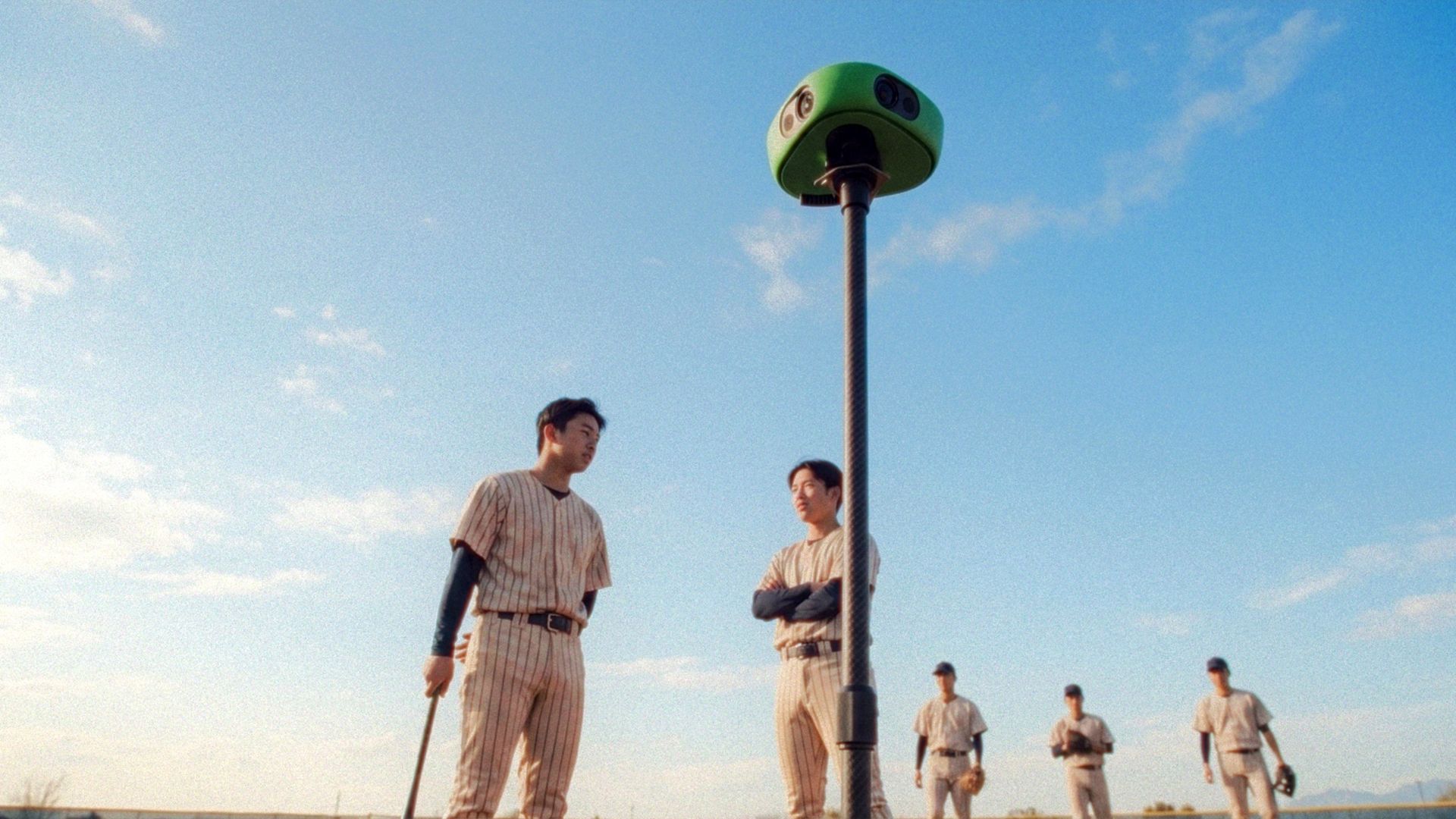
Record every baseball game automatically with Veo Cam 3
Elevated behind home plate, no operator. Full infield and pitching view. Set up in under 2 minutes.
What baseball video analysis reveals
Baseball divides naturally into individual analysis and team analysis. The two most impactful areas for most programs are pitching mechanics and swing analysis, both of which require slow-motion review of individual technique rather than team-level tactical review.
Pitching mechanics
Pitching mechanics analysis is the area of baseball coaching where video produces the fastest improvement. A pitcher's arm path, hip-shoulder separation, release point, and follow-through all happen in under two seconds. No coach watching live can accurately assess all four elements simultaneously. Frame-by-frame review of pitching footage reveals each element in isolation.
Three specific mechanics that video reveals clearly:
- Release point consistency. A pitcher whose release point varies by more than a few inches between pitches tips their pitch type to the batter. Video review of multiple pitches from the same outing shows whether the release point is consistent across fastballs and off-speed pitches.
- Hip-shoulder separation. The sequence of hip rotation followed by shoulder rotation generates velocity. A pitcher who opens their shoulders too early loses separation and velocity. This is visible in slow-motion video and nearly invisible to live observation.
- Arm path. An arm path that is too long or too short creates mechanical stress and velocity loss. Frame-by-frame review from the behind-home-plate angle shows the arm path clearly from the stretch through the release.
Swing mechanics and pitch recognition
Hitting analysis from video covers two distinct areas: swing mechanics and pitch recognition. Swing mechanics are visible in slow-motion review from the behind-home-plate angle: load position, stride length and direction, hip rotation timing, bat path through the zone, and contact point. These elements are interdependent, and a coach who can show a hitter exactly where their swing deviates from the intended pattern produces faster correction than one who describes it verbally.
Pitch recognition is visible across multiple at-bats: does the hitter chase breaking balls out of the zone? Do they struggle against off-speed pitches after an early fastball? These patterns accumulate across a game and are only visible when multiple at-bats are reviewed in sequence.
Baseball video analysis framework
Camera positions for baseball analysis
Elevated behind home plate
The primary position for baseball analysis. Place the Veo tripod elevated above and behind the backstop netting, angled toward the pitcher's mound. This position captures pitching mechanics, batting technique, catcher framing, and the full infield simultaneously.
Best for: Pitching mechanics, swing analysis, pitch sequencing, catcher framing, and at-bat review. This is the position that produces the most coaching value from a single camera.
First or third base line elevated
A baseline position elevated along the first or third base line captures base running, outfield positioning, and defensive shift alignment more clearly than the home plate position. The trade-off is that pitching and batting detail is reduced.
Best for: Base running analysis, defensive shift review, outfield depth and positioning, and run play execution.
For most programs, the elevated home plate position covers the highest-value coaching ground from a single camera. Add a baseline position if base running and defensive positioning are current priority areas.
Pitching review workflow
Pitching analysis is most valuable when it happens within 24 hours of the outing. A pitcher's mechanical feel is still relatively fresh, and the connection between what they saw on video and what they felt during the outing is strongest immediately after the game.
- Review release point consistency first. Watch every pitch from the outing using slow-motion from the home plate angle. Note whether the release point is consistent across pitch types. This is the single most important mechanical element for both performance and pitcher health.
- Review one additional mechanical element per session. Do not attempt to correct multiple mechanical elements simultaneously. Choose the one element that has the most impact on performance and build the next bullpen session around a single correction.
- Show the pitcher their own footage before the bullpen. A pitcher who has seen their own mechanics on video before a bullpen session arrives with a specific mental image of what they are working to change. This accelerates the translation from video to feel.
Hitting review workflow
Hitting analysis is most effective when players review their own footage individually rather than as part of a group session. Each hitter has different mechanics and different challenges. A group session focused on one hitter's swing produces less value for the other players than individual footage review before batting practice.
- Share at-bat clips before each practice. Cut two to three at-bats per hitter from the previous game and share via a direct Veo link before the next practice. Hitters who arrive at batting practice having already reviewed their footage make adjustments faster than hitters who see footage for the first time during a group meeting.
- Focus review on one mechanical element. Load position, stride direction, or bat path. Not all three at once. A hitter who is working on a specific mechanical change can compare their current footage to previous footage to track whether the change is taking hold.
- Use slow-motion for mechanics, normal speed for pitch recognition. Mechanical review requires slow-motion to see what is happening. Pitch recognition review requires normal game speed to see whether the hitter is recognising pitch type and location correctly.
For sport-specific features and how baseball programs are using Veo, visit the Veo baseball page.

FAQs
The most effective baseball video analysis setup combines automatic recording from a consistent camera position with slow-motion review tools and direct player sharing. Veo Cam 3 records at 4K 60fps from the elevated home plate position, generates both a full-field view and an AI-tracked follow-cam after upload, and delivers both through the Veo Editor. The 60fps frame rate is critical for pitching and swing analysis because slow-motion review at 60 frames per second shows mechanical detail that 30fps footage cannot.
Use slow-motion review from the elevated home plate camera angle. Watch each pitch frame by frame focusing on one mechanical element at a time: release point consistency, hip-shoulder separation, or arm path. Do not attempt to evaluate all elements simultaneously. Share slow-motion clips with the pitcher before the next bullpen session so they arrive with a specific mental image of the mechanical change they are working on.
Share two to three at-bat clips per hitter before each practice via a direct Veo link. Focus review on one mechanical element: load position, stride, or bat path through the zone. Use slow-motion for mechanical review and normal speed for pitch recognition review. Hitters who review their own footage regularly identify mechanical tendencies faster than hitters who receive only verbal feedback from coaches.
Pitchers build recruiting reels from slow-motion pitching footage showing mechanics, velocity, and pitch mix. Position players build reels from hitting clips showing swing mechanics and athletic plays in the field. The Veo platform allows players to clip specific at-bats and plays directly from game footage and share links with college coaches. Full game film is available via direct link for coaches who request it. A player who has filmed every game across a season has a complete footage library that gives recruiters a full picture of their development.
%20(1).jpg)
.jpg)