Youth Lacrosse Shooting Drills That Build Real Goal-Scoring Ability
Veo
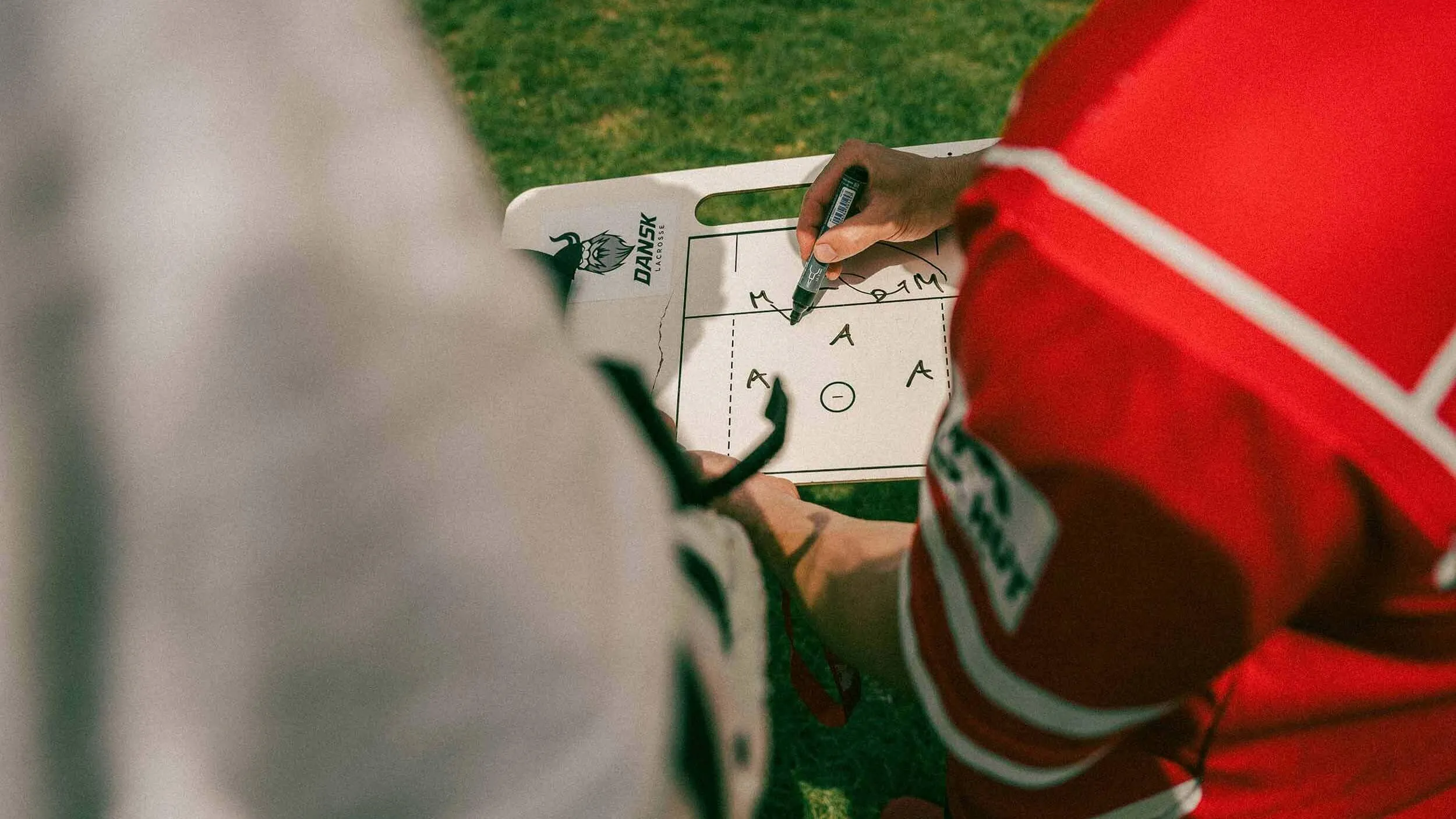
Five youth lacrosse shooting drills covering form mechanics, catch and shoot, split dodge into shot and shooting under pressure. Age guidance for U8 to U14 with coaching cues.
Most youth lacrosse players shoot too far from the goal, too early in their development, with mechanics that generate power at the cost of accuracy. By the time they are 14, the habits are set and difficult to change. The coaches who produce consistent goal scorers are the ones who build shooting mechanics close to the cage from the first session and only extend range once the mechanics are reliable.
This guide covers five youth lacrosse shooting drills for players aged 8 to 14. Each drill builds one element of complete shooting: release mechanics, footwork on the catch, shooting off the dodge, volume and reloading, and performing under game-speed pressure.
What makes youth lacrosse shooting development go wrong
The most common error in youth shooting development is distance. Players who shoot from 12 metres before they can make a consistent shot from 4 metres develop compensating mechanics: they lean into the shot, use too much arm and not enough hip rotation, and pull the release to generate power. Every one of those habits reduces accuracy.
The second most common error is treating shooting as a warm-up rather than a skill session. Players who shoot for five minutes at the start of practice before moving on to drills are reinforcing existing mechanics, good or bad, rather than building new ones. Shooting deserves dedicated, structured drill time with a coaching point in every set.
For the foundational catching and cradling skills that underpin all shooting, see the youth lacrosse drills for beginners guide before introducing the shooting drills here.
What are the best shooting drills for youth lacrosse players
These five drills build shooting competence progressively, starting with solo mechanics work and finishing with game-speed shooting under defensive pressure.
| Drill | Focus | Duration |
|---|---|---|
| Form Shooting Progression | Release mechanics, elbow position, follow-through | 10 min |
| Catch and Shoot Drill | Footwork on the catch, shooting off a pass | 10 min |
| Split Dodge into Shot | Creating space off the dodge, shot mechanics under pressure | 15 min |
| Rapid Fire Shooting | Shot selection, volume, reloading quickly | 10 min |
| Shooting Under Pressure Circuit | All concepts in game-speed conditions | 15 min |
1. Form Shooting Progression (10 minutes)
Players start one metre from the goal, shooting hand only, no guide hand. Focus entirely on the release: elbow under the ball, wrist snap, follow-through with the top hand pointing at the back of the cage. Five makes at one metre, step back to two metres, five makes, step back to three metres. No player moves back until they make five consecutive shots at the current distance.
This is the single most important shooting drill in youth lacrosse. Players who build correct release mechanics at close range carry those mechanics to distance. Players who skip to distance carry poor mechanics to distance.
Coaching cue: "Hold your follow-through until the ball hits the floor. Your top hand should be pointing at the back of the cage after every shot."
Age note: Appropriate from U8 with a small goal and a lighter stick. At U8 and U10, keep all shooting at one to two metres and focus entirely on the wrist snap and follow-through.
2. Catch and Shoot Drill (10 minutes)
Players line up at the top of the crease. A feeder stands at 10 metres with the ball. The player cuts to the shooting position on the left or right side, catches the pass with feet already in shooting stance, and shoots immediately. Rebound, pass back, join the back of the line. After five minutes, switch sides.
The catch and shoot drill builds the most important game-specific shooting skill: arriving at the catch point ready to shoot rather than catching and then setting the feet. In a game, the extra beat it takes to set feet after the catch gives the defender time to close out.
Coaching cue: "Your feet are set before the ball arrives. Move to the spot, plant, then catch. Not catch, then plant."
What to watch on video: Foot position at the moment the ball arrives. Players still moving when they catch take an extra beat before shooting. This shows immediately in the footage.
3. Split Dodge into Shot (15 minutes)
A passive defender stands at the top of the crease. The attacker approaches from 10 metres, executes a split dodge to get past the defender, and shoots immediately on the dodge exit. Run five reps each side per player.
This drill connects dodging to shooting as one continuous movement. Most youth players stop after the dodge and then shoot, which gives the recovering defender time to arrive. The goal is a single fluid movement: dodge, step, shoot, with no pause between the dodge exit and the shot.
Coaching cue: "The shot comes off the last step of the dodge. You are already shooting as you come out the other side."
Age note: Introduce at U12. At U10, drill the split dodge and the catch and shoot separately before combining them.
4. Rapid Fire Shooting (10 minutes)
Five balls are placed on the ground around the crease at shooting distances. A player picks up each ball, shoots, and moves to the next ball as quickly as possible. The goal is five shots in under 20 seconds. Run three sets per player with 30 seconds rest between sets.
Rapid fire shooting builds the habit of reloading and reshooting quickly. Players who can scoop a missed shot and reshoot before the goalkeeper recovers create second chances from nothing.
Coaching cue: "Pick it up and shoot again. The first shot that misses is not a failed possession. It is an opportunity."
For goalkeeper-specific training that complements shooting drills, see the youth lacrosse goalie drills guide.
5. Shooting Under Pressure Circuit (15 minutes)
Set up three shooting stations around the crease at 4, 6, and 8 metres. A player shoots from station one, sprints to station two, shoots, sprints to station three, shoots. An active defender closes out from behind on the final shot only. Run four reps per player.
The pressure circuit introduces fatigue and a closing defender into shooting mechanics. Players who maintain form when tired and closing are developing game-ready shooting habits.
Coaching cue: "Same mechanics at station three as station one. Tired is not an excuse for a bad release."
How Veo Cam 3 helps coaches develop youth lacrosse shooting
Shooting mechanics involve several elements that are nearly invisible at full speed from the sideline: elbow position at the start of the release, whether the wrist snap is full or abbreviated, hip rotation, and follow-through consistency.
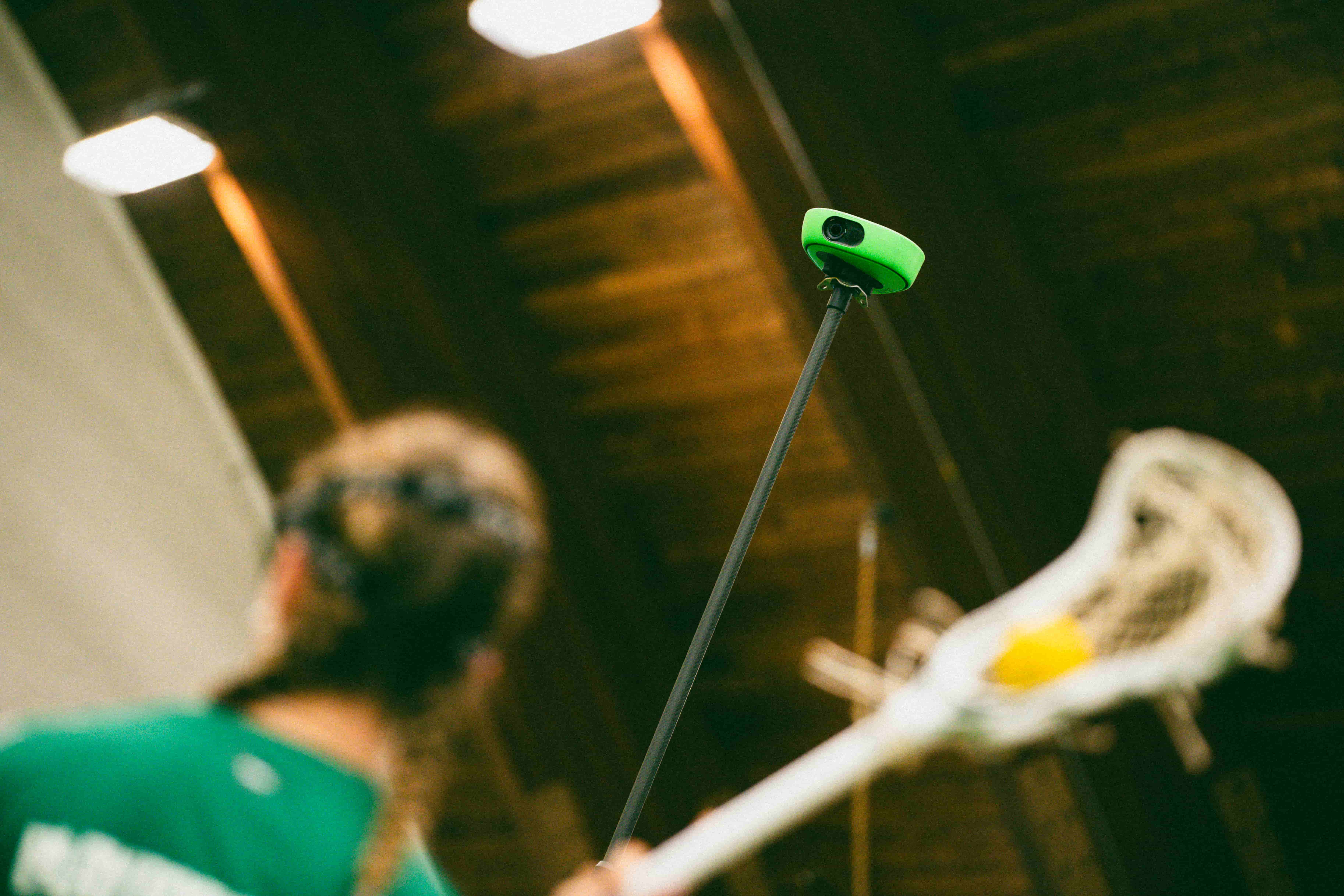
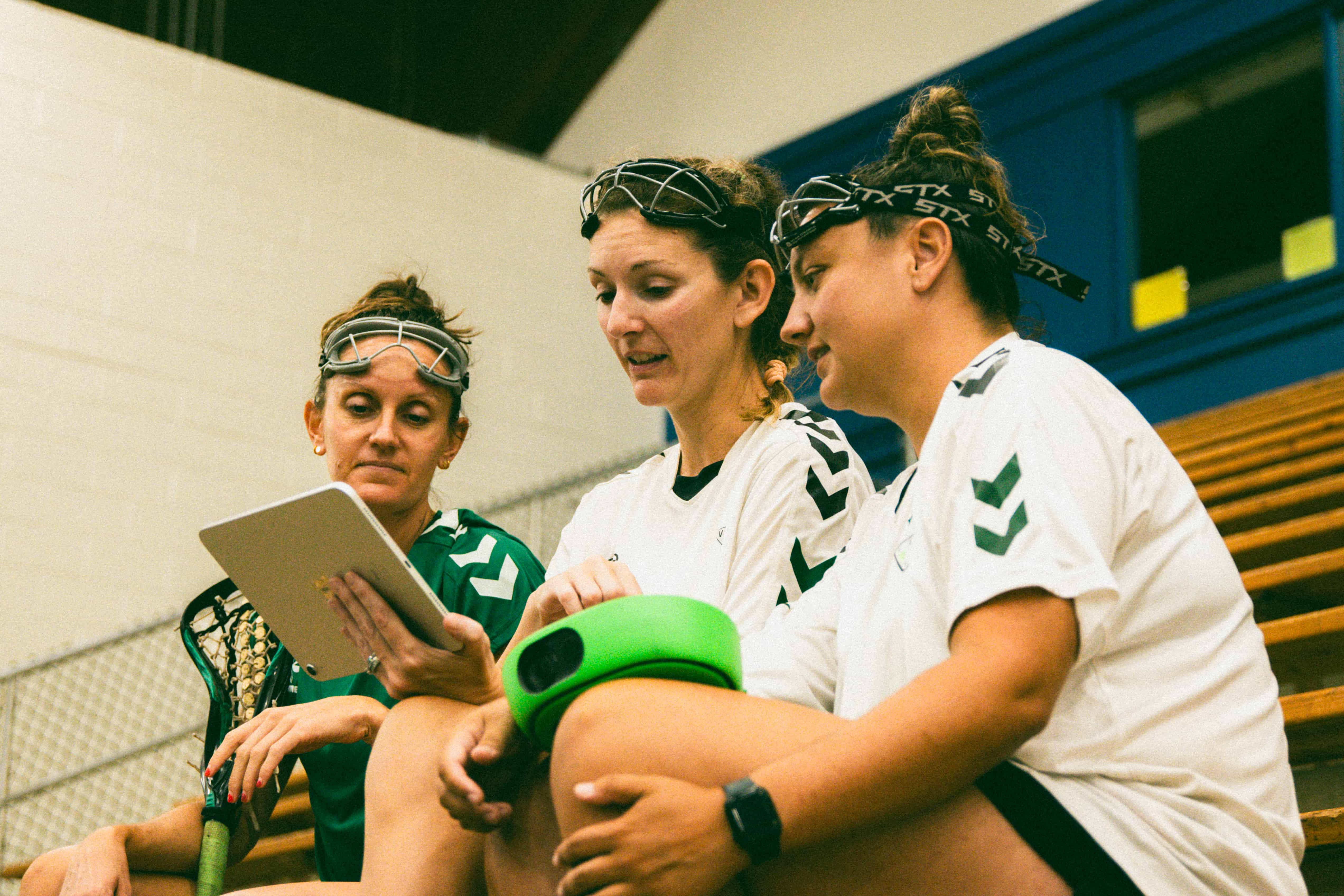
Veo Cam 3 captures shooting sessions automatically from a wide-angle position. After a session, coaches can review footage from the side angle to see elbow position and follow-through, and from above to see foot position and hip rotation. Two angles from the same session produce more useful coaching information than any amount of live observation.
For broader defensive development that gives shooters a realistic defence to work against, see the youth lacrosse defence drills guide.
More than 40,000 clubs across 100 countries use Veo to store and share footage, with over 4 million matches filmed on the platform (Veo internal data, 2026)
See how Veo Cam 3 gives youth lacrosse coaches the detail they need to develop shooting mechanics.

FAQs
The form shooting progression is the most important drill for any age group because it builds correct release mechanics before distance or defenders are added. The catch and shoot drill develops the footwork that makes off-pass shooting reliable. The split dodge into shot connects shooting to game movement. All three should feature in every shooting session from U10 onward.
Basic form shooting can start at U8 using a small goal and reduced distances. Structured shooting drills including catch and shoot and rapid fire are appropriate from U10. The split dodge into shot and pressure circuit are best introduced at U12, when players have enough stick control and footwork to combine dodging and shooting reliably.
Start with form shooting close to the goal, one metre at a time, and only move back when mechanics are consistent at the current distance. Most accuracy problems come from shooting from too far away before mechanics are established. Focus on elbow position, follow-through, and hip rotation rather than power. Power follows mechanics naturally once the movement pattern is correct.
Veo Cam 3 captures shooting sessions automatically from a wide-angle position. Coaches can review release mechanics, elbow position, and follow-through in detail after practice. Showing players a side-by-side comparison of their mechanics at the start and end of a session is the most effective coaching tool available for shot development.
Attack players shoot most often from set positions inside or around the crease, so their shooting development should prioritise accuracy and shot selection from tight angles. Midfielders shoot more often off the dodge or from distance, so their shooting development should prioritise the catch and shoot drill and the split dodge into shot. Both positions benefit from the same foundational form shooting progression.
%20(1).jpg)
.jpg)
