Why Youth Players Are Demanding Video Analysis From Their Coaches
Frederik Hvillum
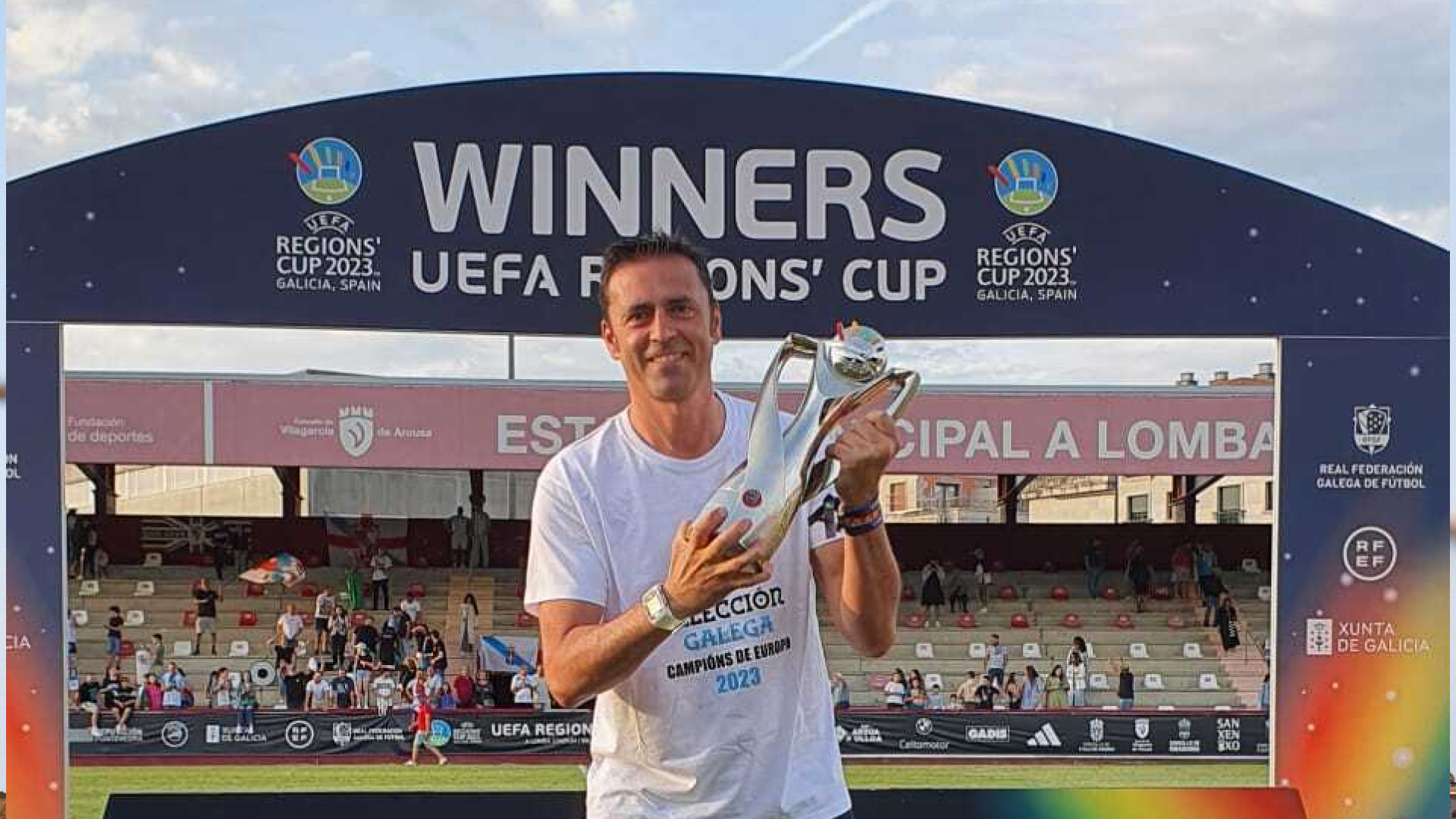
Youth players in Galicia are demanding video analysis before coaches offer it. Here's what that shift means for grassroots player development.
At the Real Federación Gallega de Fútbol, video analysis was introduced to help coaches develop players better. What happened next, nobody expected: the players started driving it themselves.
"The kids are almost the ones asking for video now," says Lalo Suárez, Head of Analysis and Scouting at the federation. "They watch it, they talk among themselves, they correct each other. There are even debates about what they could have done differently."
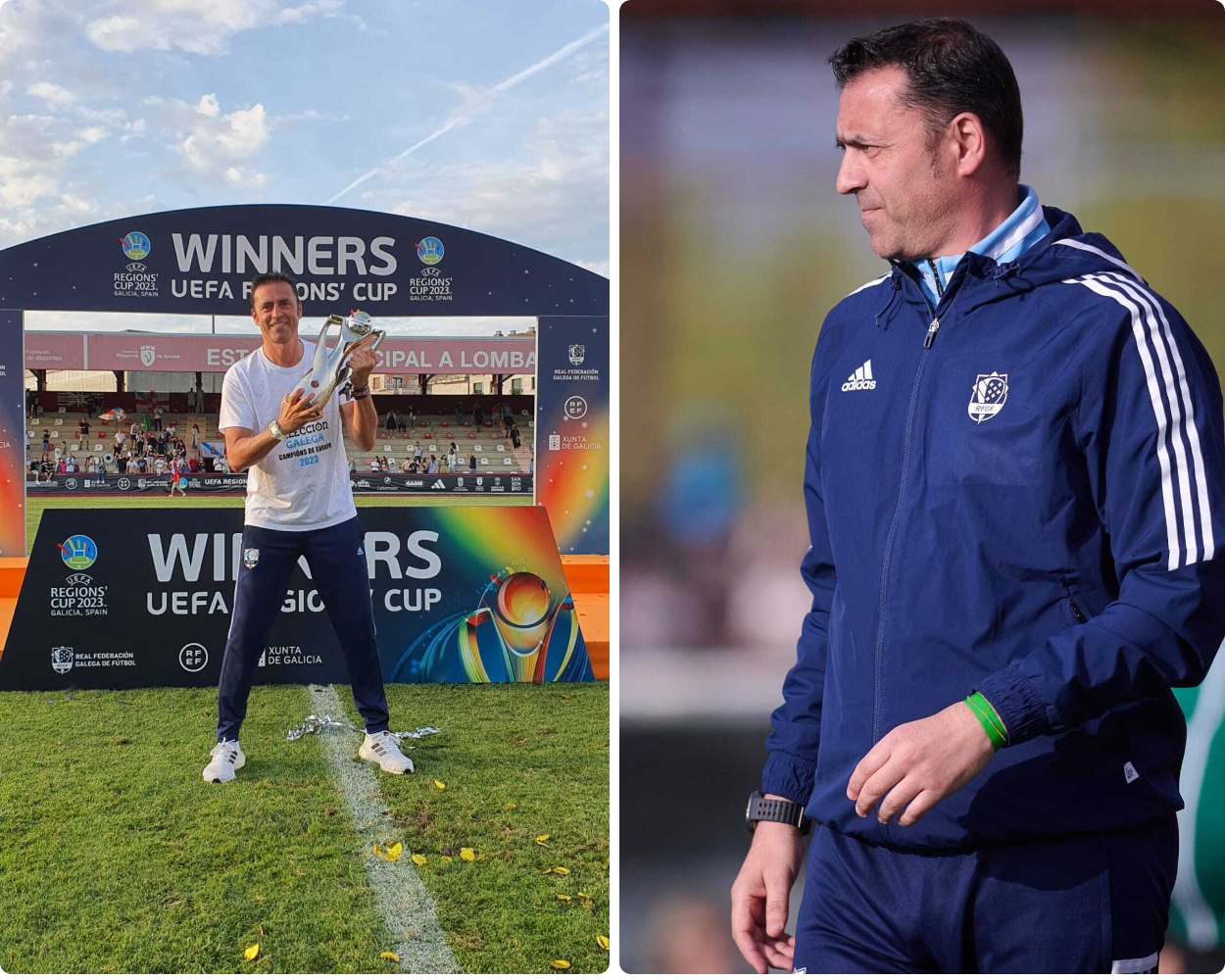
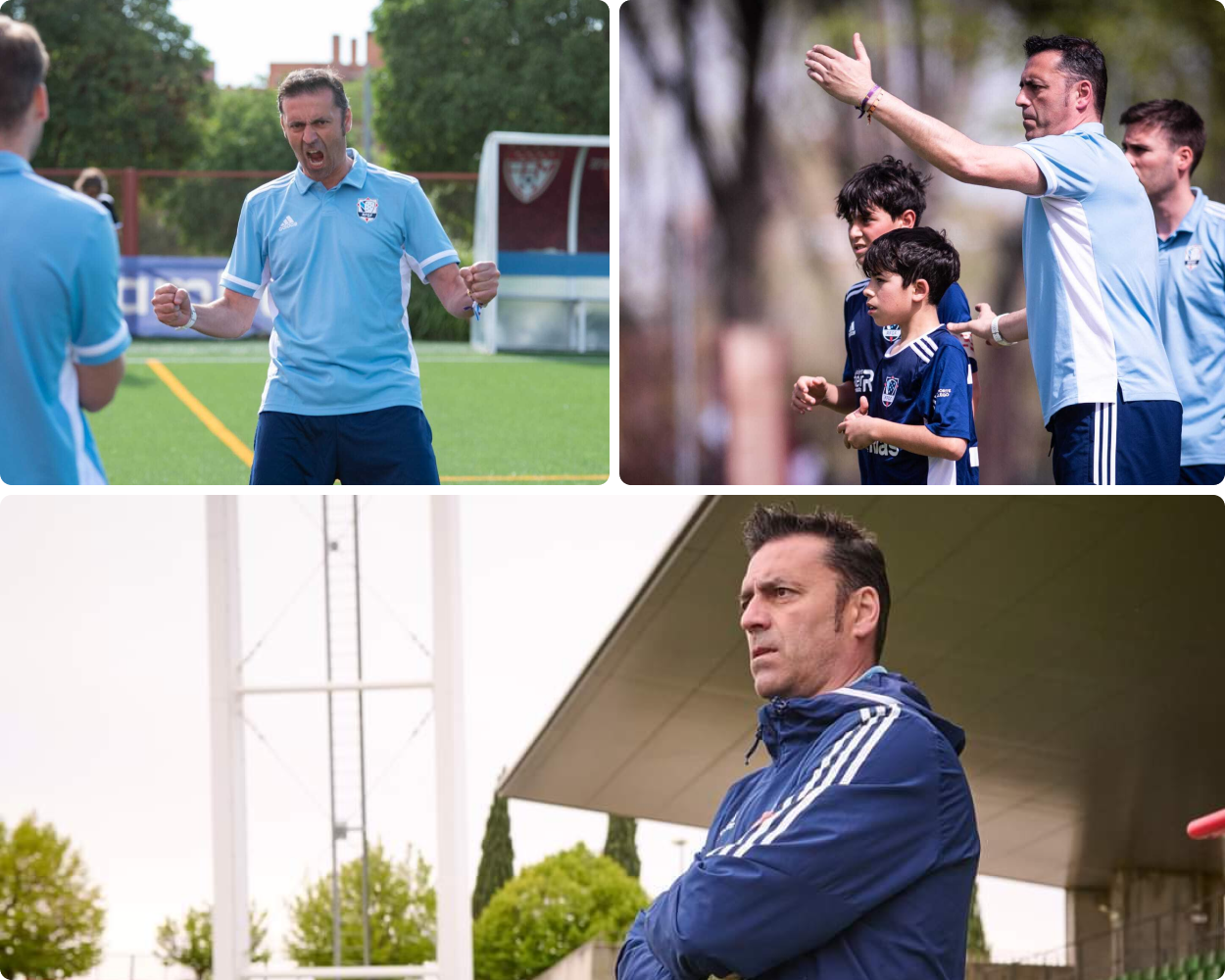
Suárez has spent 25 years in football, first as a third-division player until a serious knee injury redirected him toward coaching and analysis. He now coaches Galicia's U12 and U14 regional selections, runs scouting for the federation, and serves as sports director at Sagrado Corazón. That combination of roles gives him an unusually complete picture of how players at different stages actually absorb information.
What he's seen in Galicia challenges a basic assumption about video analysis. Most coaches think of it as a tool they deploy on players. In Galicia, players as young as 12 are asking for it before their coaches have thought to offer it.
Why do youth players respond so differently to video than to verbal feedback?
Every coach knows the problem. You watch a player for 90 minutes. You know what needs to work better. Then you try to explain it, and the player looks back at you with polite confusion, because their version of that game doesn't match yours.
They felt confident. They thought they passed quickly. They were sure they tracked their runner.
"When kids play, many come off the pitch thinking, 'Wow, what a great game I had today,'" Suárez says. "Then they watch the video and think, 'Damn, it took me two touches to make a pass, and I was struggling with the ball.'"
That gap between felt experience and actual performance is one of the oldest problems in sport. Players have their own version of events stored in memory, and it's real to them. The conversation turns into a negotiation about what happened rather than a discussion about what to do differently. Verbal feedback also fades fast. By the time a player returns to training two or three days later, the detail, which is where the actual learning lives, has blurred.
Footage settles the question without an argument, and the learning sticks because the player reached the conclusion themselves.
How does video analysis change the coaching dynamic at grassroots level?
What Suárez describes in Galicia goes beyond better feedback. Players who regularly watch themselves develop faster, ask sharper questions, and take ownership of their improvement in ways that are difficult to manufacture from the outside.
"In U12 and U14, they demand video, they really like video," he says. "It's super interesting."
That kind of self-directed analysis is hard to engineer. Coaches can create the conditions for it. They cannot force it. What the footage does is make the game legible to players in a way it hasn't been before. They can watch themselves, rewatch specific moments, compare what they saw to what they felt, and form their own views about what they'd do differently.
The coaching dynamic shifts as a result. When players come to Suárez with questions now, which they do more often, the questions are more specific. They're not asking why they were substituted. They're asking about a particular phase of play they watched three times and still aren't sure they understand.
"We almost couldn't live without it anymore," Suárez says.
How does automated match filming work for youth player development?
Veo's AI-powered cameras film matches autonomously from an elevated position, tracking the ball and play without any operator. A coach sets the camera up before the match and collects it afterwards. Footage uploads automatically to the Veo platform, where coaches and scouts can review full matches, create clips, and share specific moments directly with players.
The individual player tracking feature is particularly valuable for development work. Click on any player in a match, and Veo generates a reel of every touch and movement they made during the game. A coach can share that reel via a link or show it on a tablet at training. Players see exactly what they did, in the order it happened, with full context from the match situation around them. What would take a dedicated analyst hours of manual work happens in seconds.
For opponent preparation, the same system works in reverse. "If a left back wants to see what the forward or winger he'll face is like, you offer them those clips showing that player in different phases of play," Suárez says.
Veo is used by more than 40,000 clubs across 100+ countries, with over 4 million matches filmed on the platform. The Galician federation has distributed cameras across its comarca network, meaning local coaches film matches and upload footage automatically. Federation staff can review players from anywhere in the region without attending in person.
See how Veo's AI camera system supports youth player development
What changes when players can see themselves clearly?
The generation coming through youth football today has grown up watching themselves on phones and tablets. Video is how they learn things.
"They're recorded and see everything visually. That's how they take in information," Suárez says. "It's an expectation now."
For clubs that don't offer footage, that expectation creates a gap. Players who are used to visual feedback will notice its absence. For clubs that do, the effect compounds over time.

Coaching education has changed too. "Before, when we gave coaches a session plan with just a diagram and written description, there were often blind spots," Suárez says. "When you can use video, there's no argument. It's there visually, showing exactly how it should be delivered." The logic that makes video work for players applies equally to coaches learning from more experienced colleagues.
On Veo's platform, players can also build a Player Profile; a shareable page where they collect their best clips and make themselves discoverable to scouts and recruiters. For a player in a small Galician town developing with video over several seasons, it means that development is visible to clubs they'd never otherwise reach. Geography stops being a filter.
Learn how Veo's Player Profile feature works
The shift Suárez didn't see coming
When the Galician federation introduced Veo across its regional selections, the goal was better coaching. Suárez got that. He also got something he hadn't anticipated: a generation of players who hold their clubs accountable for access to footage, because watching themselves is simply how they understand their own game.
"The kids are actually holding teams, clubs, and coaches accountable because this is what they're used to," he says.
For a federation that covers one of Spain's most geographically dispersed regions, spread across mountains and coastline and hundreds of small towns, that shift carries particular weight. When every match is recorded and automatically accessible, a player doesn't have to be in the right place on the right day to get noticed or to get feedback. They just have to keep getting better.
Want to see what player development looks like when players can review their own matches? Book a free consultation with a Veo expert today.
Frequently Asked Questions
At what age should coaches start using video analysis with players? Suárez uses video as standard with Galicia's U12 regional selections. At that age the benefit is less about tactical complexity and more about helping players understand the gap between how they felt during a match and what actually happened on the pitch.
Will players who aren't naturally analytical engage with video? Suárez's experience in Galicia suggests yes. At U12 and U14 level, players began asking for video themselves and debating footage with teammates without being prompted by coaches. The visual format matches how this generation already takes in information.
How much time does video analysis add to a coach's workflow? Veo's autonomous filming model means no operator is needed during a match. Footage uploads automatically after the game. Individual player tracking generates clips in seconds rather than hours of manual editing. The time investment is in reviewing footage, not producing it.
Can players use their match footage to get noticed by scouts? Yes. Veo's Player Profile lets players collect their best clips into a single shareable page that can be sent to recruiters via a link. For players developing outside traditional football centres, it makes their progress visible to clubs and scouts who would never attend their matches in person.
How does video analysis support coaches, not just players? Suárez notes that session plans with written descriptions leave room for misinterpretation. Video removes that ambiguity: the correct movement pattern or tactical shape is visible to everyone. Coaches learning from more experienced colleagues benefit from exactly the same clarity that players do.
.jpg)

Elevate your team's performance with a football camera
Discover the game-changing benefits of our innovative technology. Book a call with our experts to level up your coaching game.
.jpg)


.jpg)