Basketball Screening Drills That Build Real Team Play
Frederik Hvillum
Five youth basketball screen and roll drills covering legal screens, the roll, pick and pop, Spain action and defensive switching. Age guidance and coaching cues for U8 to U14.
The screen and roll is the most used two-player action in basketball at every level from youth rec leagues to the NBA. A player sets a screen, the ball handler attacks off it, and the screener rolls to the basket or pops to the perimeter. Run it correctly and you create open shots on almost every possession. Run it incorrectly and you get whistled for illegal screens, lose the ball to defensive pressure, or waste the action entirely.
Most youth teams never drill screening systematically. Coaches run five-on-five scrimmages and call the action, but players who have never isolated the mechanics of setting a legal screen, reading the roll, or defending the switch will not execute it reliably under pressure. These five basketball screening drills build each element in isolation before combining them in live play.
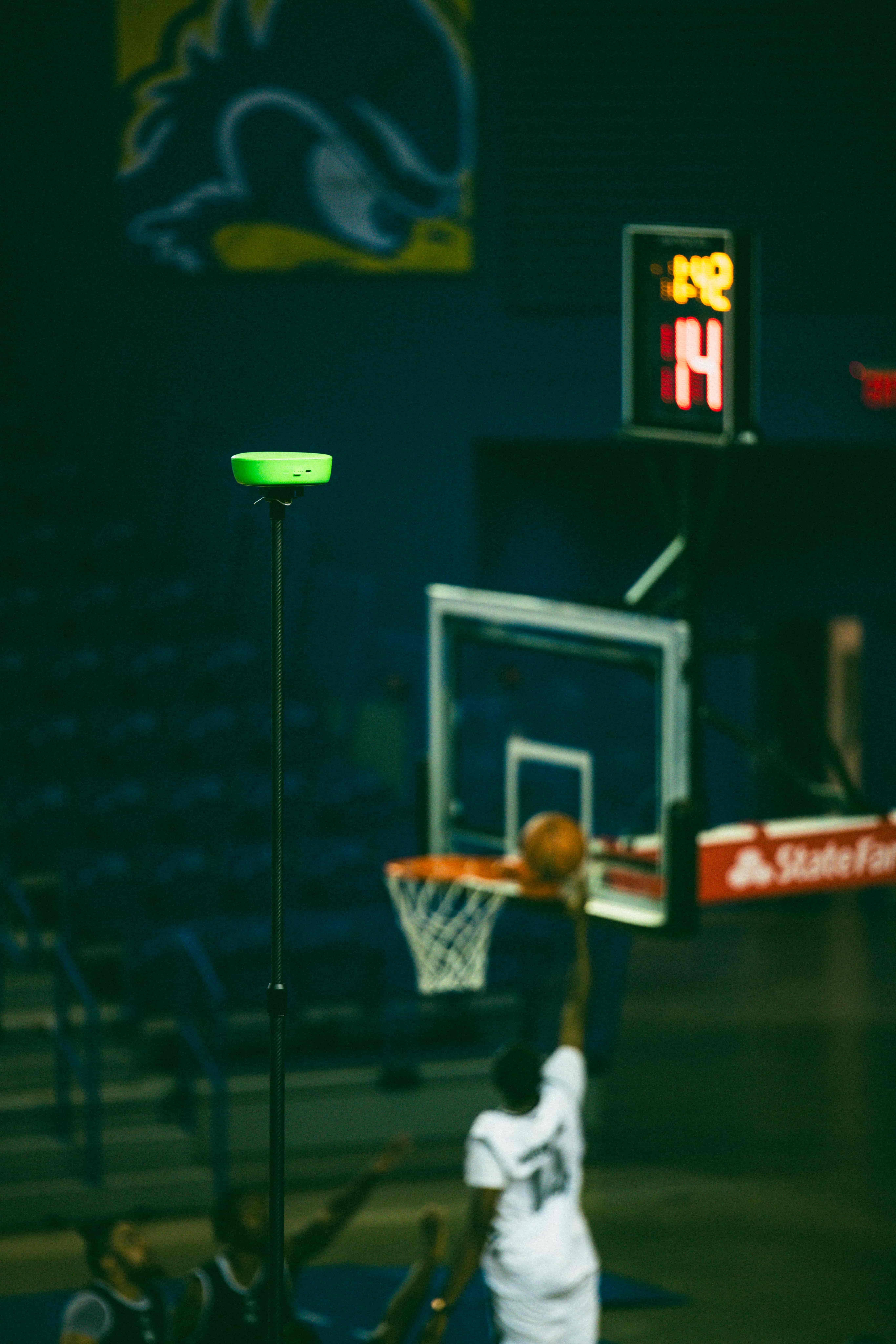
Film your screening sessions with Veo Cam 3
Veo Cam 3 records your full practice automatically from above. Review screen angles, roll paths, and defensive positioning in detail the same evening.
What screen and roll play actually requires
Effective screening involves three players executing two separate roles simultaneously, and one mechanical failure anywhere in the sequence breaks the action down. Before drilling any screen and roll combination, players need to understand what makes a screen work.
The three elements that determine whether a screening action creates an advantage:
- A legal, well-angled screen. The screener must be stationary before contact, feet no wider than shoulder width, and positioned at an angle that forces the defender to fight over or under. A poorly angled screen gives the defender a free path to the ball handler.
- A decisive read by the ball handler. The ball handler must use the screen. Players who drift wide of the screen leave their defender room to recover and waste the action. The dribble must be tight to the screener's shoulder.
- An immediate roll or pop by the screener. The screener is a threat only if they move to a scoring position immediately after the screen. A screener who stands still after setting the screen eliminates the two-on-one advantage the action creates.
For how screening fits within a full practice structure, see the youth basketball coach certification guide.
Drill overview
| Drill | Age group | Duration | Primary focus |
|---|---|---|---|
| Basic screen and roll | All ages | 10 min | Setting a legal screen, rolling to the basket, reading the defence |
| Elbow pick and pop | U12+ | 10 min | Screen positioning, shooting off the screen, spacing principles |
| Spain pick and roll | U14+ | 12 min | Three-player combination, lob option, weak-side spacing |
| Defensive switch drill | U12+ | 10 min | Recognising screen, switching assignments, communication |
| 5-on-5 screen rotation | U12+ | 15 min | Live play integrating all screen actions under game pressure |
The drills
Drill 1: Basic screen and roll
Two players work together. The screener sets a stationary screen on the ball handler's defender at the elbow of the key. The ball handler dribbles off the screen, attacking toward the basket. The screener rolls immediately after contact, sealing the defender and cutting to the basket for a lob or bounce pass. The ball handler reads the defence: drive if the path is open, pass to the rolling screener if the defender switches. Run for 10 minutes with continuous repetitions, alternating roles every five possessions.
Coaching cue: "Roll as you feel contact, not after. The moment your shoulder touches the defender, your feet are already turning. A late roll gives the defence time to recover and cover you both."
Age note: Introduce at U10 once players can pass and catch under light pressure. At U8, simplify by removing the defender entirely and focusing on the mechanical sequence: screen angle, tight dribble, immediate roll.
Drill 2: Elbow pick and pop
The same two-player setup as the basic screen and roll, but instead of rolling to the basket, the screener pops out to the three-point line or mid-range area after the screen. The ball handler attacks off the screen and reads: drive to the basket if the path is clear, kick out to the popping screener if the defender sags to protect the paint. Run for 10 minutes alternating ball handler and screener roles. Focus on the screener establishing a wide, balanced stance after the pop before receiving the pass.
Coaching cue: "Pop to space, not to the ball. The ball handler needs room to make the pass. If you pop directly toward the dribble, you crowd the action and give the defence an easy double team."
What to watch on video: The screener's pop angle relative to the ball handler. Players who pop toward the ball instead of away from it collapse the spacing the action is designed to create. This is almost impossible to assess from the sideline but immediately visible in footage from above.
See screening angles and spacing from above
More than 40,000 clubs across 100 countries use Veo to store and share footage, with over 4 million matches filmed on the platform (Veo internal data, 2026). Veo Cam 3 captures screen angles and roll paths in detail so coaches can identify spacing errors that are invisible from the sideline.
Drill 3: Spain pick and roll
A three-player combination. The ball handler has the ball at the top of the key. A screener sets an on-ball screen. Simultaneously, a third player sets a back screen on the on-ball screener's defender as the screener rolls to the basket. The ball handler has three reads: drive off the primary screen, lob to the rolling screener who has a back screen clearing their defender, or skip pass to the third player on the weak side. Run 12 minutes with continuous rotations through all three positions.
Coaching cue: "Third player's back screen is the action's secret weapon. Set it just as the screener starts their roll. A screener with a clear path to the basket is almost always open for the lob."
Age note: Introduce at U14. The Spain action requires three players to read two simultaneous screens, communicate their movements, and execute passes under time pressure. At U12, introduce a simpler three-player screen action (screen-the-screener) before progressing to the full Spain combination.
Drill 4: Defensive switch drill
Two defenders guard a ball handler and screener. The ball handler dribbles toward the screener's defender. Before the screen arrives, one defender must call the screen out loud: 'screen right' or 'screen left.' Both defenders then switch assignments: the screener's defender takes the ball handler and the ball handler's defender picks up the rolling screener. Run 10 repetitions, requiring a verbal call on every screen. If no call is made, stop play and reset. The drill is about communication first and positioning second.
Coaching cue: "The call happens before the screen, not during it. If you call it when the screen arrives, your partner has no time to react. A call that comes late is the same as no call."
What to watch on video: The timing of the verbal call relative to the screen arrival. Defenders who call late or not at all are immediately identifiable from above. The footage also shows whether the switching defender picks up the rolling player quickly enough to deny the lob. This is the most common breakdown point in a defensive switch.
Drill 5: Five-on-five screen rotation
Run five-on-five half-court with one rule: the offence must run at least one screen and roll action each possession before shooting. No screening action, no shot. The coach calls a simple set play to start each possession (a basic on-ball screen or a Spain action), but all subsequent reads are live. Defenders may switch, hedge, or trap. Run for 15 minutes with coaching stops after any possession where the screening action breaks down. Focus coaching feedback on the mechanical breakdown point, not the outcome of the possession.
Coaching cue: "Find the breakdown moment, not the missed shot. If the play failed, was it the screen angle, the ball handler's read, the screener's roll, or the defence? Diagnose before you correct."
Age note: Introduce at U12 once players can execute the basic screen and roll and the switch drill reliably in isolation. At U10, simplify to a three-on-three format and limit the read to drive or kick out only.
Using video to make screening actions stick
Screening mechanics are uniquely difficult to coach from the sideline. The screen, the roll, and the ball handler's read all happen in the same second, and a ground-level view from the sideline shows the sequence from a single angle. The screener's foot position, the angle of the roll, and the spacing of the pop are all clearer from above. An elevated camera captures all three elements in a single shot.
Coaches using Veo Cam 3 position the camera above the court and review screening drill footage after sessions. Clips showing a screener who sets the screen at the wrong angle, or a ball handler who drifts wide and wastes the action, become the coaching focal point at the start of the next session. Players aged 12 and above, in particular, can identify their own positional errors from a single review and apply corrections without additional verbal explanation.
For how to set up your camera at basketball practice, see how to film youth matches. For the full range of basketball team play drills that work alongside screening, see youth basketball team drills.
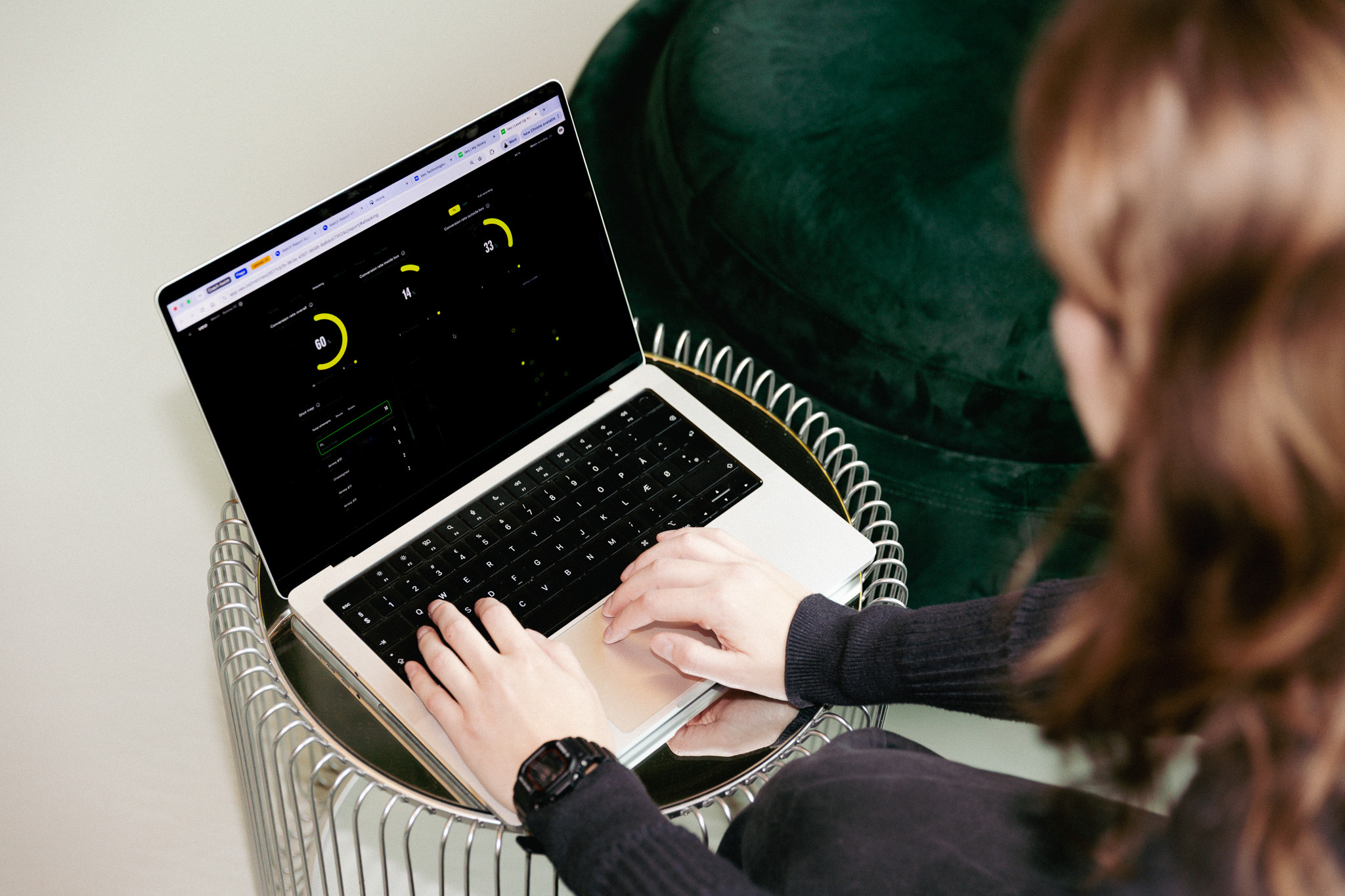
Review screen angles the same evening
Veo Cam 3 records your full session automatically. Compare screening mechanics from early in the season to late and show players exactly how their team play has developed.
Related reading
- Youth basketball coach certification guide
- Youth basketball team drills
- Youth basketball shooting drills

FAQs
A screen and roll is a two-player action where one player (the screener) sets a stationary block on a defender to free the ball handler, then immediately rolls toward the basket to receive a pass. It is the most common and effective two-player action in basketball at every level from youth to professional play.
Introduce basic on-ball screens at U10 once players have reliable passing and catching under pressure. The roll mechanics and reading the defence become appropriate at U12. The full Spain pick-and-roll combination and switching defence drills are best introduced at U14 when players have sufficient court awareness and communication skills.
A legal screen requires the screener to be stationary before contact, with their feet no wider than shoulder width, and no arm or knee extension into the path of the defender. The screener must give a moving defender time and distance to avoid the screen. Youth players most commonly commit illegal screens by leaning into the defender or setting the screen while still moving.
Start by teaching players to communicate the screen before it arrives using a call such as screen right or screen left. Then drill two defensive options: fighting over the top (staying with the ball handler) and switching assignments. At youth level, the switch is the easiest defensive response to teach first because it requires less individual skill than fighting over a screen. Introduce hedging and trapping at U14 and above.
Yes, particularly for understanding angles and spacing. Screening actions happen quickly and involve multiple simultaneous movements that are difficult to observe from the sideline. Footage from above shows the screener's angle relative to the defender, the ball handler's decision point, and whether the roll player creates the correct path to the basket. Players aged 12 and above respond quickly to watching their own footage from a recent session and can self-identify positional errors in one review.
%20(1).jpg)
.jpg)