"Football is for everyone. Go and claim your spot."
Frederik Hvillum
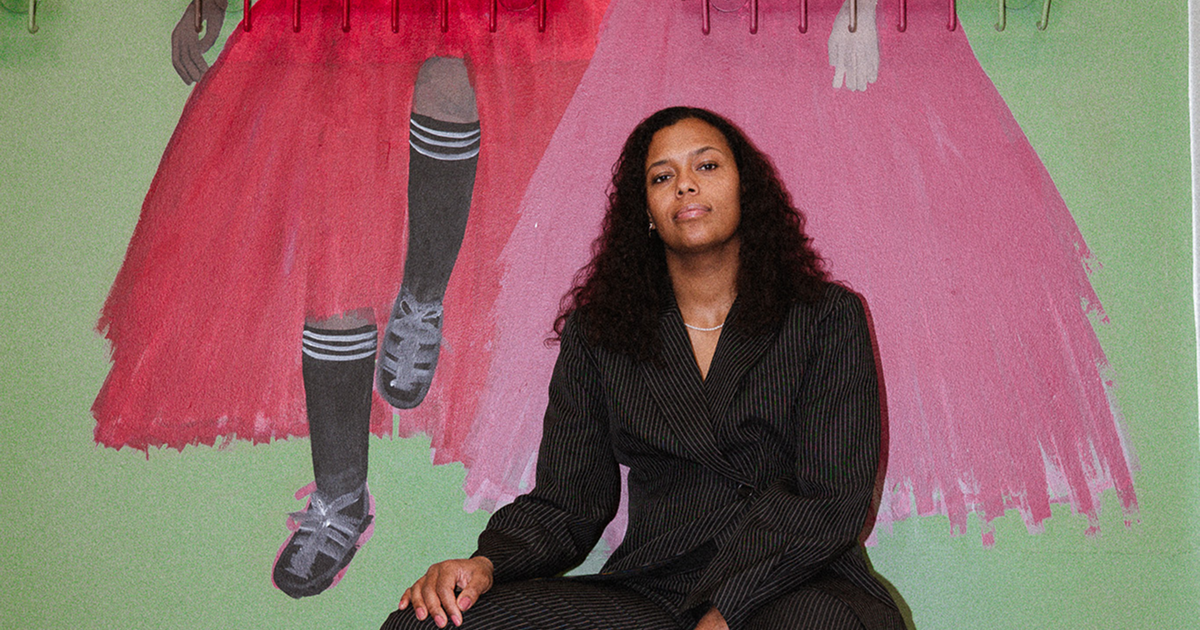
Maria 'Rolle' Jensen Guy founded Kvinder i Fodbold after a conversation with her daughter. On the state of Danish women's football, why the problems start before anyone ties their boots, and what it takes to build a movement from a LinkedIn post.
Maria Jensen Guy has been involved in Danish football most of her life. She played, she coached, she followed the game. Then her daughter got a new football shirt she loved wearing at home, but refused to wear to school.
When Maria asked why, the answer was simple. At school, it was only the boys who wore football shirts. Only the boys who played football. Only the boys who talked about it.
"As a former football player," she says. "That was a conversation that hit right in the heart."
It was also the moment she decided to act. The day after, she posted on LinkedIn asking if anyone wanted to help build something around women's football in Denmark. The response told her everything she needed to know about how many people had been waiting for exactly that. Kvinder i Fodbold was founded in late 2024.
The gap between the headlines and the stadiums
Women's football is described everywhere as a sport in revolution. Record attendances. New investment. Growing visibility. Maria sees all of it, and she also sees what it does not yet capture.
"When I zoom in on Denmark, I still see stadiums with 300 spectators at the biggest games. I see a lack of a headline sponsor in the Danish league. I see a media landscape that covers women's football, but not always with the most informed perspective."
The gap between the global narrative and the Danish reality is not a reason for pessimism, she says. It is a reason to work faster. Record numbers of girls are coming to football clubs in Denmark right now. The direction is right. The speed is the problem.
"Football has been built by men, for men, for a hundred years. That is something we have to build on, and I think there is a great opportunity to do it."
It starts before anyone ties their boots
What makes Maria's analysis distinct is where she locates the root of the problem. Not on the pitch. Not in the boardroom. Earlier than either.
“Gender stereotyping begins long before a child ever kicks a ball. It starts during pregnancy, when people hope for a daughter who is “sweet and pretty,” and a son who will be “cool” and “good at football.”
The structural inequality in football, she argues, reflects a structural inequality in society that football alone cannot fix. Kvinder i Fodbold works to be what she calls "the critical friend of the decision-makers," the voice that asks the people running Danish football whether they have considered the bias in their structures, and what it would take to change it.
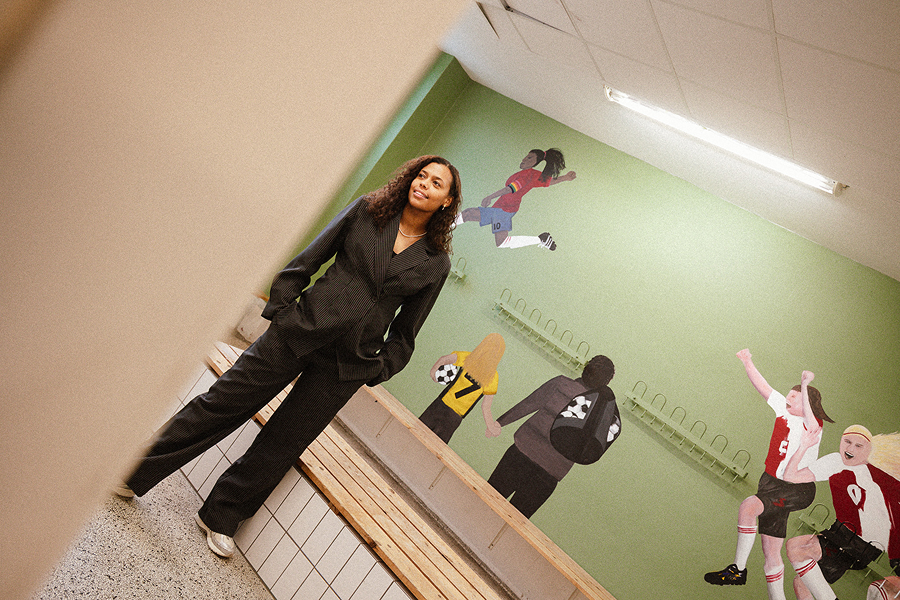
"We try to enlighten them about the bias they have and the possibilities there are to improve."
Visibility as the first step
Veo's People's Push campaign collects the best amateur goals from around the world each year. The numbers tell a clear story: roughly 95 percent of submissions come from men or fathers submitting their sons' goals. The women's submissions are there, but they are rare.
Maria recognises the pattern immediately.
"I think there are girls who already feel like they are behind before they begin, and so they think: game over, I have already lost, I can just leave it. And that is so sad, because when you look at the goals the girls do submit, they are extraordinary."
She also sees something else in those numbers: a Straight-A student-problem, as she calls it. The sense that you have to be perfect before you put yourself forward. That what you do is not good enough to be seen.
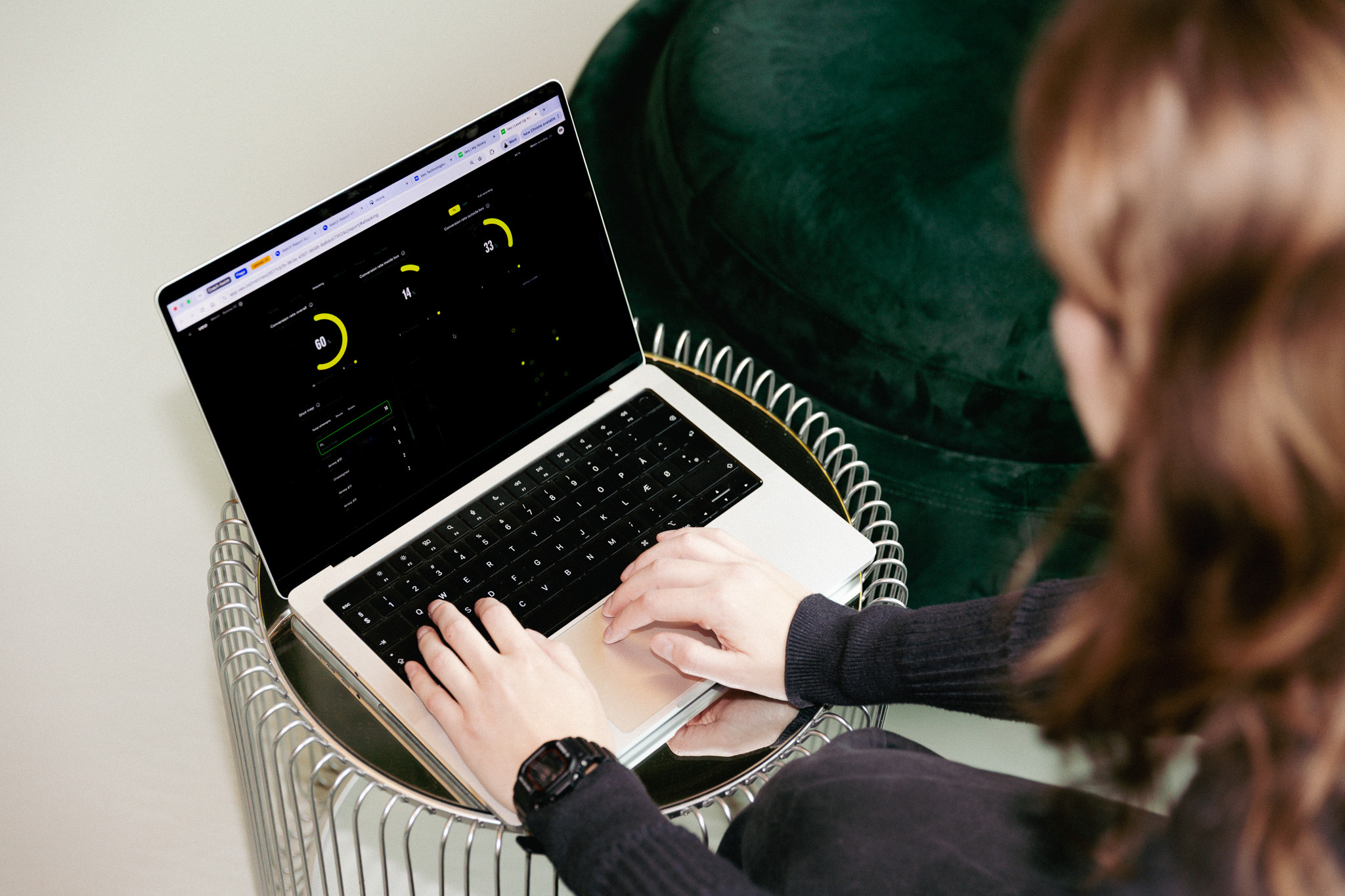
This is where visibility matters most. Tools that record and share what is actually happening on grassroots pitches across Denmark do something the absence of coverage cannot: they show girls that there are many ways to be a football player.
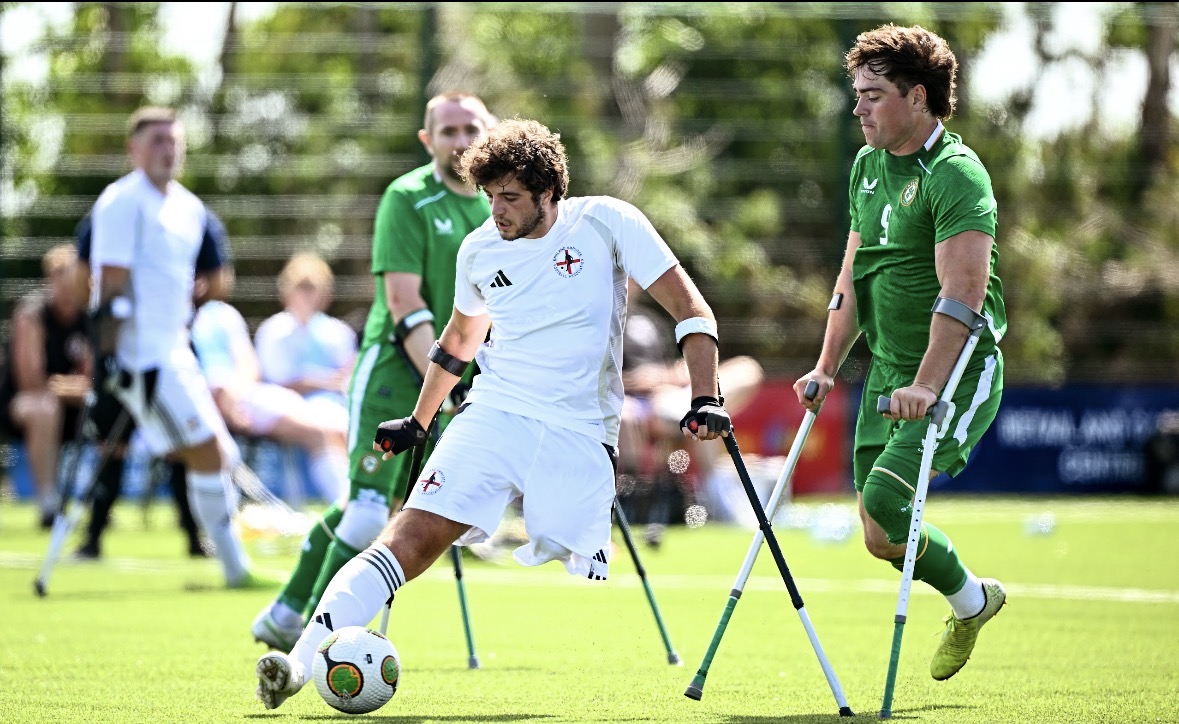
"If she can see it, she can be it. Film, documentary, digital platforms. You can document that there are many ways to be a girl in football. In recreational football, in elite football, in Jutland, Funen and Zealand. That there are many ways."
Just go and play
Maria's daughter is seven. She was five and a half when she refused to wear the football shirt to school.
For her daughter, and for every other girl standing on the outside wondering whether football has space for her, Maria has an answer.
"Football is for everyone. If you think football is fun, and if it makes you happy, just go and play. At the end of the day, it is just a football game."

%20(1).jpg)