How to Get a Lacrosse Scholarship: The Complete Guide [2026]
Veo

How lacrosse scholarships work at every division, what coaches evaluate, and how video footage gives players a competitive edge in the recruiting process.
Lacrosse has grown faster than almost any other college sport over the past two decades. The number of NCAA programs has expanded significantly at all three divisions, creating more scholarship opportunities than many families realise. At the same time, the sport has become more competitive at the club level, raising the bar for what college coaches expect from recruits.
This guide covers how lacrosse scholarships work at every division, what coaches evaluate when recruiting, and how consistent game footage gives players a genuine competitive advantage in a process that is increasingly conducted online and on video.
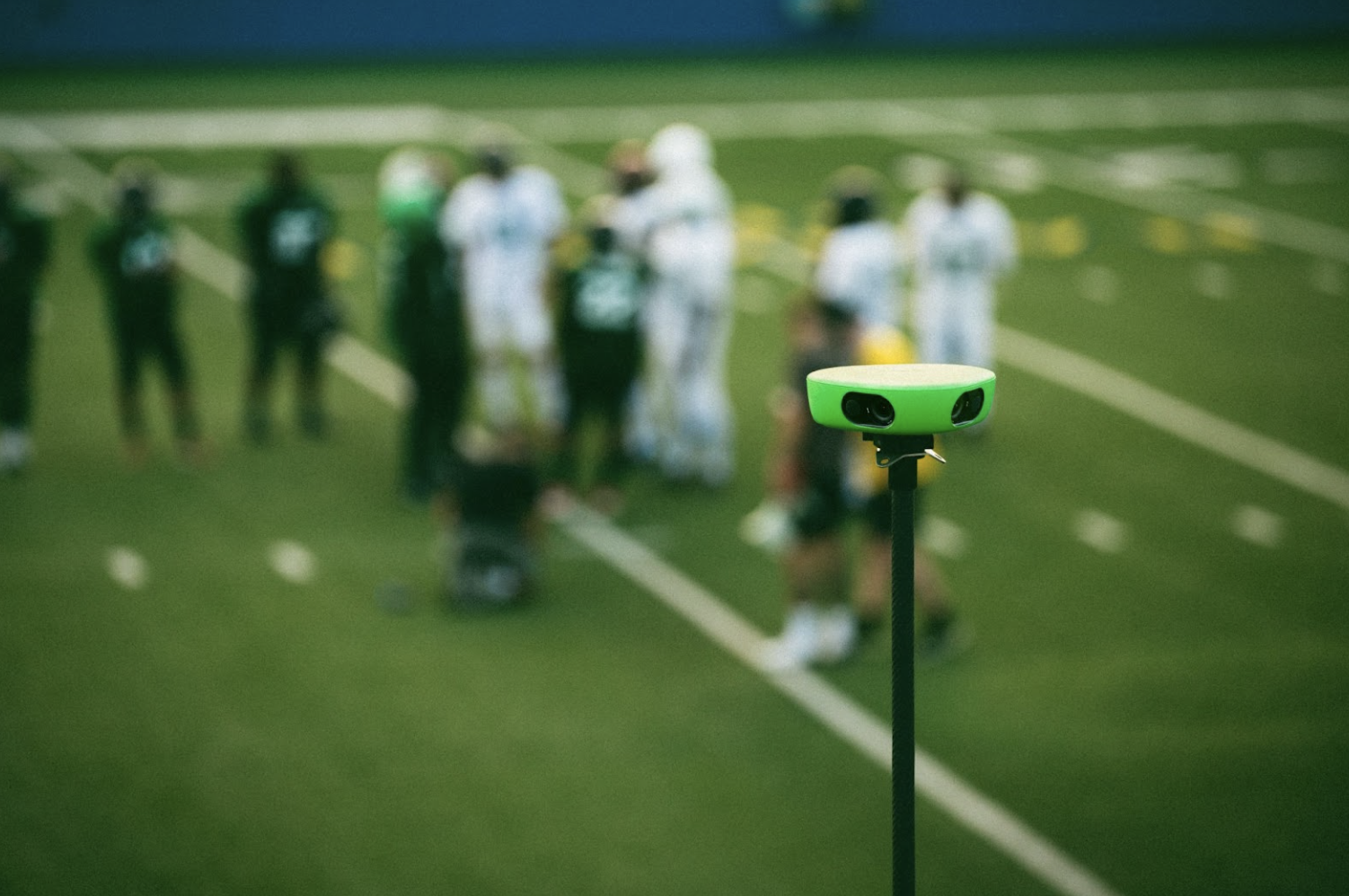
Build your lacrosse recruiting footage library with Veo Cam 3
Every game filmed automatically from midfield elevated. No operator needed. Full footage ready to clip and share with college coaches.
How lacrosse scholarships work
Lacrosse is an equivalency sport under the NCAA, which means coaches have a fixed number of scholarship equivalencies to distribute across their roster however they choose. Most awards are partial. The number of programs at D1, D2, NAIA, and junior college level has grown substantially, creating more total opportunities than existed even five years ago.
The growth of D1 lacrosse programs in particular has created opportunities at schools that were not competing at that level a decade ago. Players who focus exclusively on the most established programs miss a significant portion of the opportunity landscape. Research programs across all divisions and regions before narrowing your list.
What lacrosse coaches look for in recruits
Lacrosse coaches evaluate recruits on a combination of athletic profile, position-specific skill, lacrosse IQ, and competitive character. Video is the primary evaluation tool for coaches at every level because they cannot attend most games of most prospects.
Athletic profile and speed
Lacrosse at the college level is significantly faster than most club programs. Coaches assess whether a player has the speed, athleticism, and physicality to compete at their division. This is visible immediately in well-filmed full-field footage. A wide-angle recording from midfield shows a player's first-step quickness, top-end speed in transition, and physicality in ground ball situations in a way that follow-cam footage from one end zone cannot.
Position-specific skills
College coaches evaluate different things by position:
- Attack. Dodging ability, shot quality from various angles, crease presence, and decision-making under pressure from defensive slides.
- Midfield. Two-way play, ground ball success rate, transition speed, and shooting ability. Coaches evaluate whether a midfielder can be trusted defensively as well as contributing offensively.
- Defence. Slide timing and execution, communication, check technique, and ability to cover speed in one-on-one situations.
- Goalie. Save technique, outlet pass quality, communication with the defensive unit, and composure under sustained offensive pressure.

Lacrosse IQ and off-ball play
The most important distinction between high-level and developing players in lacrosse is off-ball movement and decision-making. A player who is in the right position before the ball arrives, who clears space for a dodging teammate, and who slides correctly without the ball at the defensive end demonstrates lacrosse IQ that coaches at competitive programs specifically look for.
This quality is most visible in full-field footage. The wide-angle panoramic view from Veo Cam 3 shows all ten players' positions simultaneously. A coach reviewing this footage can evaluate off-ball movement in a way that follow-cam footage, which shows only ball-contact moments, cannot provide. For more on camera setup for lacrosse, see the best camera for lacrosse.
Why video footage is central to lacrosse recruiting
College lacrosse coaches cannot attend most club games of most prospects. The evaluation process is built on video. A player who cannot share footage when a coach asks loses momentum in the conversation. A player who shares a direct link to a well-structured highlight reel alongside accessible full game film gives a coach everything they need to advance the conversation. For a complete analysis guide, see the complete guide for coaches.
Three things that separate effective lacrosse recruiting footage from ineffective footage:
- Full-field context. Wide-angle footage from midfield shows defensive rotations, clearing patterns, and off-ball movement that follow-cam footage misses entirely. For position players, what they do without the ball is as important to college coaches as what they do with it.
- Multiple games across a season. A season library of consistently filmed games is more valuable than a single tournament highlight. Coaches want to see performance consistency, how a player responds to adversity, and whether their good games outnumber their difficult ones.
- Direct link sharing. Footage shared via a direct link that plays in any browser is used. Files that require download, login, or format conversion are often not.
The lacrosse recruiting timeline
- Freshman year. Start filming every game consistently. Attend high-level showcases and tournaments. The footage library begins here.
- Sophomore year. Research target programs. Build an athlete profile. Send initial introductory emails to coaches at programs that fit your athletic and academic profile.
- Junior year. The most active recruiting year. NCAA coaches can contact recruits directly after September 1 of junior year. This is when having an established footage library makes the biggest difference. Attend showcases specifically attended by coaches from your target programs.
- Senior year. Official visits, verbal commitments, and signing. Players who did the outreach work in sophomore and junior year arrive at senior year with conversations already in progress.
Note that many D1 lacrosse programs recruit earlier than this timeline suggests. Some programs make scholarship offers to players as young as 8th or 9th grade for the following class. Research each program's specific recruiting calendar.
Showcases and exposure events
College lacrosse coaches recruit heavily from showcases and tournaments. The major summer showcase events attract coaches from programs across all divisions. Attending one or two high-profile events per year is significantly more productive than attending many local tournaments where college coaches are not present.
Research which college coaches are confirmed to attend before committing to a showcase. Some events attract coaches from specific conferences or divisions. Knowing which programs will be there helps focus your outreach before and after the event.
After each showcase, send a follow-up email to any coaches from programs you are interested in. Include a direct link to your most recent footage. Coaches who saw you play at the event will watch the footage. Coaches who did not attend will get their first evaluation from the video.


FAQs
Lacrosse has expanded significantly at the college level over the past decade, creating more scholarship opportunities than existed previously. At NCAA D1, men's programs have 12.6 equivalencies and women's have 12 to distribute across full rosters. Most awards are partial. The more productive approach is identifying the right division and specific programs for your athletic and academic profile rather than targeting full scholarships at the highest possible level.
Athletic profile and speed relative to the division level, position-specific skills, lacrosse IQ and off-ball play, and competitive character over a full game. The qualities that separate college-ready players from developing players are most visible in full-field footage reviewed across multiple games. Coaches specifically evaluate how players perform without the ball, in transition, and in defensive responsibilities.
Start filming every game from freshman year. Begin research and initial outreach in sophomore year. Junior year is the most active recruiting period for most programs, though some D1 programs recruit significantly earlier. Players who arrive at junior year with two seasons of consistent footage and an established list of target programs are significantly better positioned than those who start the process in junior year.
Film every game automatically with Veo Cam 3 to build a consistent footage library. Send short, specific emails to coaches at target programs with a direct link to your highlight reel. Follow up after each showcase and tournament with updated footage. Attend the specific events where coaches from your target programs are confirmed to be present. Persistent, professional outreach over time produces results.
NCAA D3 programs do not offer athletic scholarships. However, D3 schools often provide substantial merit and need-based financial aid that can result in a total cost comparable to or lower than a partial athletic scholarship at a D1 or D2 program. Many D3 lacrosse programs compete at a high level athletically and offer strong academic environments. Evaluate D3 programs based on academic fit and total financial aid package rather than dismissing them because they do not offer athletic scholarships.