They Are Footballers
Magnus Holt
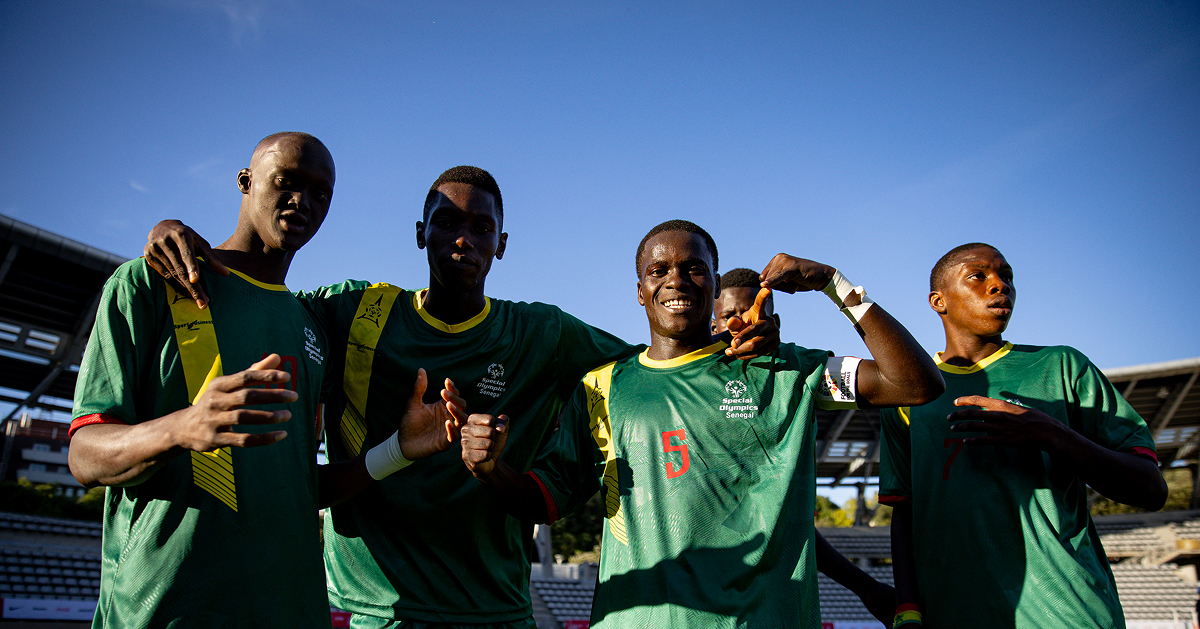
Special Olympics streamed almost every game of the 2026 Unified Football World Cup in Paris, and used the footage to show its players as footballers first.
Rodolfo came home from Paris with a bronze medal from the men's Division One and a set of clips with his name on them. Back in Paraguay, people had watched him win it.
"Every time I saw the Paraguayan flag, I felt immense pride," he says. "I thought about my family, my teachers, and all the people in Paraguay who were following the competition and cheering me on."
At the previous Special Olympics Unified Football World Cup, four years earlier, they would have had almost nothing to follow.

Two games in Detroit, sixty in Paris
Special Olympics was founded in 1968 and now runs close to 60,000 competitions a year for more than 5.1 million athletes and Unified partners in over 200 countries and territories. For most of its history, its global events were the World Summer and Winter Games, multi-sport events built on the Olympic model. The first world championship in a single sport came in 2018.
"The Unified Football World Cup was our first effort to take the world's most popular sport and leverage it for Special Olympics, giving our footballers around the world an opportunity to compete in that specific sport on a global stage," says Jon-Paul St. Germain, Vice President of Sport Development at Special Olympics International.
Jeff Lahart's first Special Olympics competition was the second edition, in Detroit in 2022. He came to the organization from football coaching and analysis, and he is now Senior Manager of Global Coach and Football Development at Special Olympics International. Detroit left almost no footage behind. "We only had two games in the whole competition livestreamed and recorded," he says. "The two finals, the men's final and the women's final for Division One." Every other match was seen once, by whoever was standing on the touchline.
As a coach, Lahart wanted more. "What I would want to be able to do is watch my game back, share that information objectively with my team to show what we did well and where we can improve, but also use it for opposition analysis," he says. "So introducing the idea of just recording games was step one. To assist coaches and give them the tools they'd have access to at any other competition, or even any grassroots club these days that has a video camera."
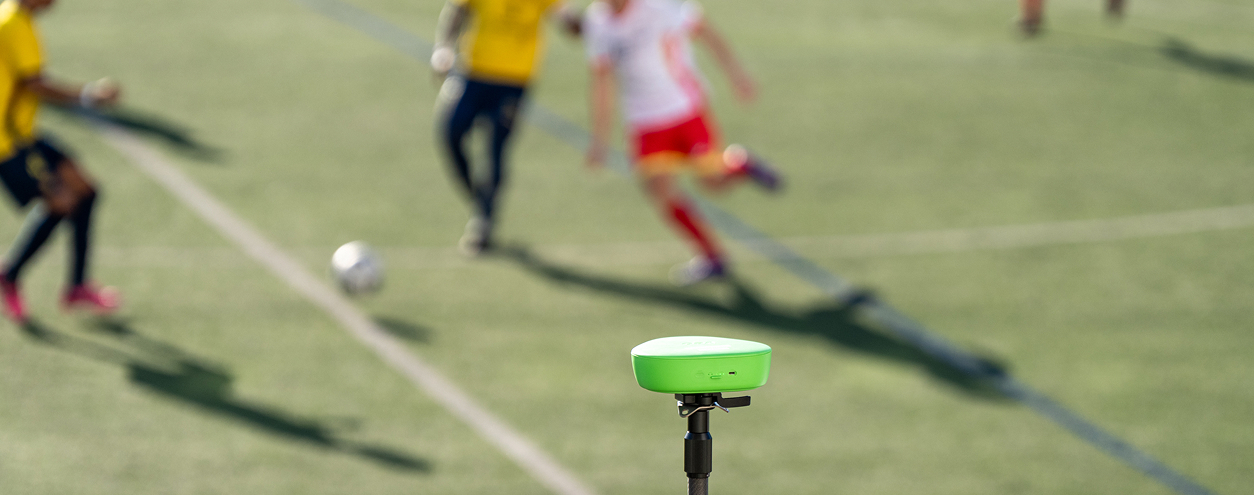
The third edition, in Paris in July 2026, was the first held outside the United States. Twenty-four teams, twelve men's and twelve women's, brought more than 300 players from 23 countries to Charléty Stadium and the pitches of the Paris International University Campus. Every team mixed footballers with and without intellectual disabilities, playing together through Special Olympics Unified Sports®. Special Olympics set up eight Veo Cams across four pitches, with up to six running at once. They recorded sixty games, and almost every one went out live.
Families, staff and friends watched from Thailand, Namibia, Côte d'Ivoire and Colorado. When the Special Olympics Sport Development team asked for feedback, it came back from nearly every region.
"With the cost of living, the cost of travel, and the distance involved, that's not accessible or achievable for people to do," Lahart says. "But by being able to livestream the games, we provided that access to family members, friends, program staff, and media from those countries as well. And if they didn't want to get up at 3 or 4 a.m. to watch the game live, it was still available for them straight after."
Asunción is about 24 hours of travel from Paris and five hours behind it. Catalina Jara stayed home and got up in the middle of the night, night after night, to watch her son Rodolfo play for his country. "Even though we were far away, every time we saw him on the broadcast, we felt like we were right there with him," she says. "From home, we cheered him on, shouted his name, and celebrated every moment as if we were in the stands. The distance didn't stop us from feeling every emotion alongside him."
Street Soccer USA saw the same thing when it livestreamed the Times Square Cup in New York, where families who couldn't be there watched from home.

Coaches clipping games at night
The standard of coaching in Paris surprised Lahart. Thailand's head coach, Chownee Phanlar, is assistant manager of the Thai women's national team. The UAE's head coach works for the national federation, and Paraguay's is a professional club coach.
They used the footage the way they would at any other tournament. "We were stopped a couple of times by delegations saying thank you so much for having this, because now they were able to do their analysis each night," Lahart says. "They were sitting down, clipping games, showing the recordings to the players, and not only reviewing their own games but the opposition's too." Wolves Academy uses video the same way with its players from U9 to U14.
Every team in Paris came to win and to take something home. "Being able to reflect properly on performance, highlight what went well and should be reinforced, and give teams the opportunity to prepare appropriately for their next game, I think that's a huge piece," he says. "That's the baseline now that we want to improve on going forward."
Teams at the Unified Football World Cup are grouped by ability rather than seeded. After the group stage, they were assessed and placed into three divisions so that similar teams met. "You're maybe at a different level, but our job is to ensure you have a competitive experience at that level you're at," St. Germain says.

Statistics they can stand behind
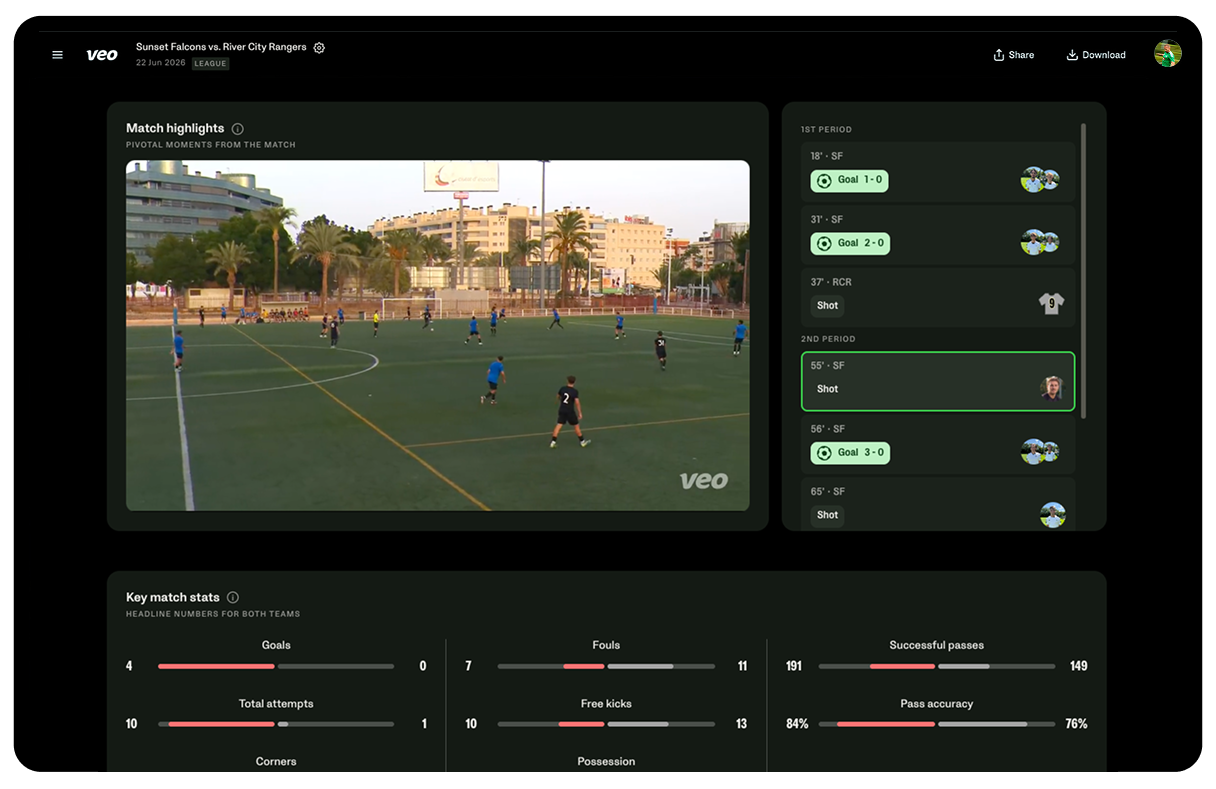
Special Olympics writes a technical report after every competition. Until this year, staff counted the numbers by hand and typed them in. "There's a high percentage of potential error," Lahart says. This year's report takes its statistics from the video and includes the clips.
"I think it gives us so much more credibility as an organization when we're showcasing our competitions and matches and can back it up with statistics," he says. "If somebody asks who the top scorer is, we're able to tell them. The same statistics I can look up on Livescore or FotMob or the UEFA website for a Champions League match, I'm now able to see for a Special Olympics Unified Football World Cup match."
The numbers also shaped the event itself. Much of what was said about each team at the closing ceremony came from match data, and St. Germain used the same statistics on air as color commentator for the finals on ESPN and Disney Plus. "We weren't just handing out a gold medal or telling people what place they finished," he says. "We were able to tell you this team conceded the least amount of goals in the competition, or scored the fastest goal of the competition."
Lahart still logs in most days to review footage, look at statistics and pull out goals. "The goals are assets and something for us to be proud of, and the leading scorer in the women's competition, Costa Rica's Tryana Barrantes Nuñez, can have every one of her goals in a playlist sent to her," he says. Grassroots goals get the same treatment at People's Puskas, where more than 2,300 goals from over 45 countries were narrowed down to one winner in 2025.
The first full archive
Niamh Nelson, Senior Manager of Storytelling Activation and Sport Communication at Special Olympics International, says the tournament gave the organization something it has never had.
"It's the first time we've had a full digital archive of a single sport for us, in any event," she says. "We have individual games, individual clips from other global events, but nothing from start to finish."
Programs, sponsors and prospective hosts can now watch the standard of play in all three divisions. The next World Cup comes to Asunción in 2028, and its officials can train on footage from Paris. For Paris, Special Olympics worked with the French Football Federation to recruit them. "So while it's wonderful at a video comms level, it's also great as a development tool for another program, team, sponsor, or host, which we haven't had in the past," Nelson says.
From athletes to footballers
For 58 years, Special Olympics has worked to change how people with intellectual disabilities are seen. St. Germain describes that work in two phases.
"The first 50 years of this organization, with the vision from our founder, Eunice Kennedy Shriver, was focused on bringing people with intellectual disabilities out of the shadows and onto the playing field, showcasing their capabilities," he says. "There was this transformation in talking about people with intellectual disabilities as able Special Olympics athletes."
The second phase is more specific. "Now we're at the next phase, which is to no longer just refer to everyone as a Special Olympics athlete, but to distinguish each individual by their chosen sport identity. In this case, we're talking about the transformation of people with intellectual disabilities who play football into being seen as footballers first."
That change needs evidence. "The only way we can talk about people as footballers is if you've got the stats, you've got to have the highlights, you've got to show them in their uniform performing as footballers," St. Germain says. "Wherever you are in the world, if you're a footballer, you have a commonality; you're part of a global tribe. This is what inclusion through sport looks like."
Next stop, Asunción
For Rodolfo, Paris was another chance to play for Special Olympics Paraguay. Representing his country again, he says, "was about fulfilling a dream, overcoming challenges, and showing that with hard work, anything is possible. I'm taking away wonderful memories from Paris, new friendships, and moments that I will cherish forever."
His mother watched every game from Asunción, hours out of step with the pitch her son stood on. In 2028, the World Cup comes to her city.
"For me, beyond the result, the most important thing was seeing him fulfill a dream, share the experience with other athletes, and carry the Paraguayan flag with such pride," she says. "Rodolfo showed us once again that with effort, dedication, and love for what you do, there are no limits to achieving your dreams."


.jpeg)