Ultimate Frisbee Video Analysis: A Complete Guide for Coaches [2026]
Veo
How to use video analysis to improve your ultimate frisbee team. Stack structure, handler resets, defensive force, and individual development. How Veo covers the full field automatically.
Ultimate frisbee has historically operated without the video culture that team sports like football, basketball, and soccer have built over decades. Most programs film occasionally, review rarely, and coach from memory and feel. The teams that have introduced consistent video analysis have found what coaches in other sports found years ago: the game looks very different from 20 feet above the sideline than it does from the coaching line.
This guide covers what ultimate frisbee video analysis reveals that live coaching cannot, how to structure review sessions around the specific demands of the sport, and how to build habits that make consistent analysis sustainable across a full season. For camera setup and positioning, see best camera for ultimate frisbee.
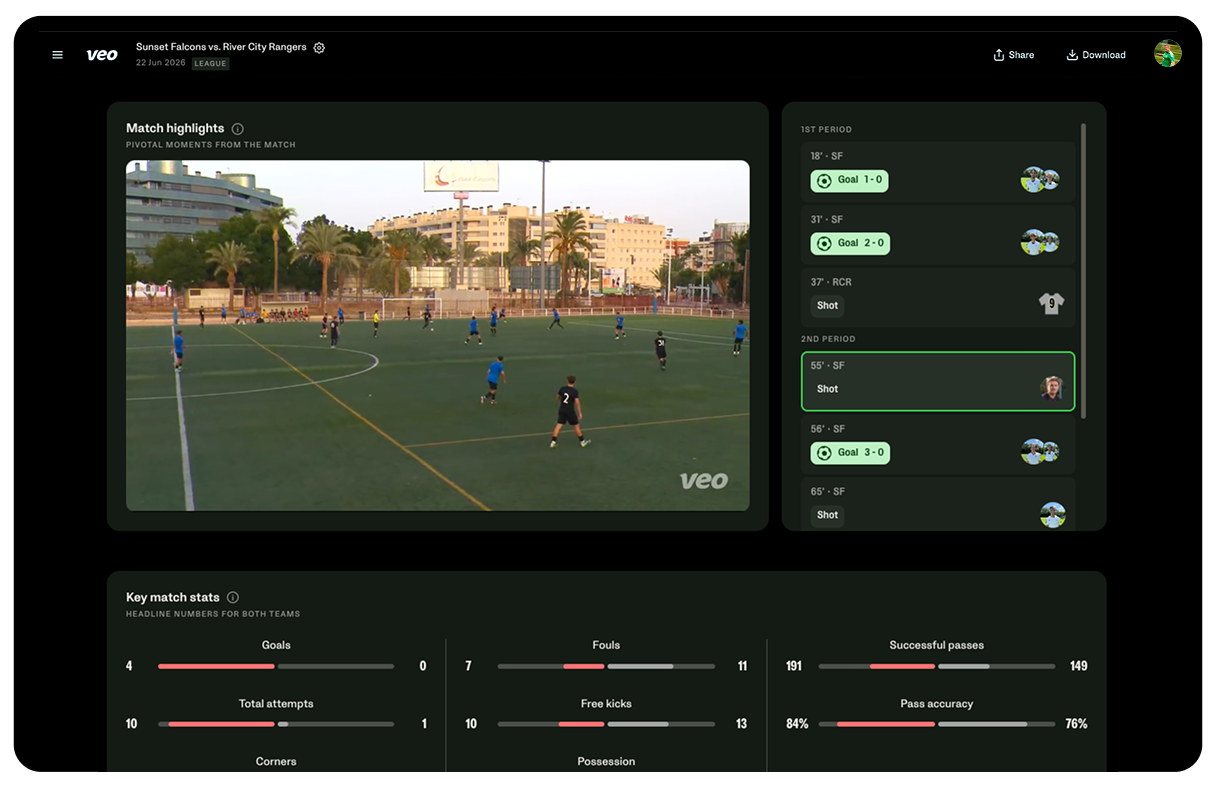
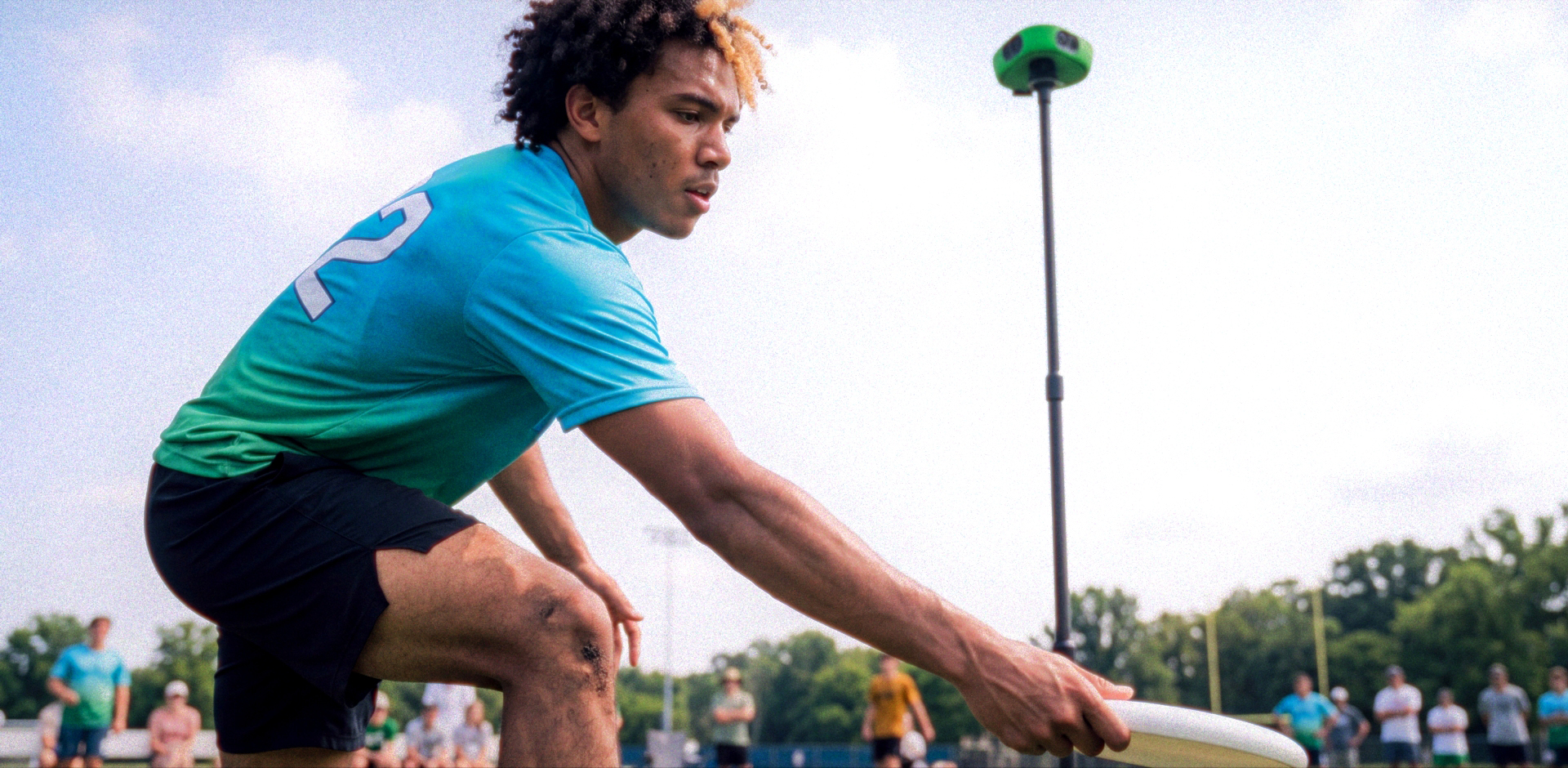
Record every ultimate frisbee game automatically with Veo Cam 3
Full field from midfield elevated. No operator. Footage ready to review the same evening.
What video reveals in ultimate frisbee
Three areas of ultimate frisbee are nearly impossible to evaluate accurately from the sideline but are clearly visible in full-field video:
Stack structure and cut timing
The stack in ultimate frisbee is a dynamic structure that requires all five non-handler players to maintain correct depth and spacing while responding to each other's movements. From the sideline, a coach sees two or three players near the disc. The full-field panoramic recording shows the entire stack simultaneously: who is at the back, whether the spacing is correct, and whether cuts are being timed to clear space for each other or colliding in the same lane.
The most common stack problem at youth and club level is not bad cutting. It is multiple players cutting at the same time into the same space. This is clearly visible in the panoramic view and nearly impossible to diagnose from the sideline because the coach's attention is on the disc and the primary cut.
Handler reset patterns
Handler resets are the most cognitively demanding sequences in ultimate for both players and coaches. The thrower is under stall count, the reset handler is reading the mark, and the throw needs to arrive in a narrow window. From the coaching line, all of this happens in two to three seconds and the result is either a successful reset or a turnover.
Video slows the sequence down and makes the structure visible. Was the reset handler in the right position before the stall count forced the throw? Did the thrower pivot correctly to create the throwing lane? Was the force being maintained by the mark throughout the sequence? These questions are answerable from video in a way they are not from live observation.
Defensive force consistency
A defensive force strategy requires every mark on the field to maintain the same force direction throughout the possession. One mark that breaks force forces every other defender to adjust their positioning. From the sideline, a coach sees the mark near the disc and cannot monitor the other six defenders simultaneously.
The full-field view shows every defender's position and the angle of every mark throughout the possession. Inconsistent force execution that creates scoring opportunities is visible immediately. So is the specific player whose mark broke first.
Ultimate frisbee video analysis framework
Video analysis workflows for ultimate frisbee coaches
Post-game stack review (20 minutes)
After the footage uploads, watch the full-field panoramic view focusing only on stack structure during offensive possessions. For each possession, note whether the stack maintained correct depth and whether cuts were timed to clear space for each other. Clip three to five possessions that best illustrate current stack habits. These clips anchor the stack drill at the next practice.
Turnover analysis (15 minutes)
Review every turnover in the game. For each one, identify whether the cause was a throwing error, a catching error, a contested throw that should not have been attempted, or a structural problem in the stack or handler set. Most teams discover their turnovers cluster around two or three recurring patterns rather than being distributed randomly. Identifying the pattern is the first step to addressing it.
Defensive force review (15 minutes)
Watch every defensive possession focusing on force consistency across all marks. Note the first possession where a mark broke force and identify what created the breakdown. Check whether the breakdown produced a scoring opportunity. Share a two-minute compilation of force-breaking moments with the full defensive unit before the next practice as the agenda for marking drills.
Individual throwing and cutting clips (15 minutes)
Cut one or two clips per player per week from the tracked follow-cam view. For cutters, focus on footwork at the break point of cuts and on whether they are reading the disc in the air correctly. For handlers, focus on pivot mechanics and release angle under marking pressure. Share clips via a direct Veo link before the next practice.
Using video for self-officiating disputes
Ultimate is a self-refereed sport at most levels. Players call their own fouls and resolve in-out disputes through a defined set of rules. Video from a consistent elevated midfield position provides an objective reference for disputed calls that no other source can match.
The full-field recording from Veo Cam 3 is admissible as supporting evidence in most ultimate governing body dispute processes. More practically, teams that review disputed calls from video in practice develop better judgment about what constitutes a foul and what does not, which reduces contested calls in future games.
For a broader look at why video matters across all levels of sport, see the importance of video analysis in sport.
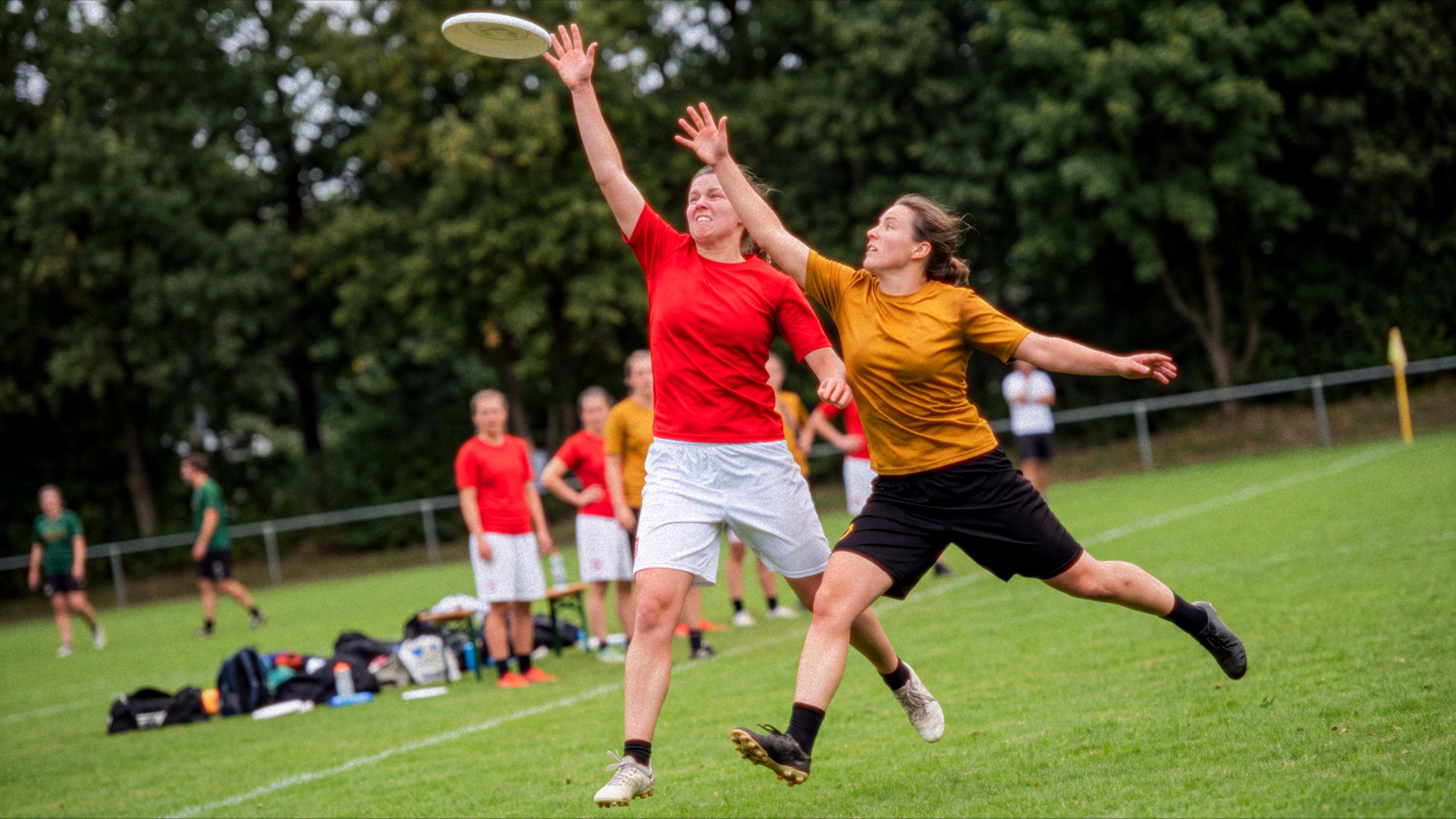
Start your ultimate frisbee analysis workflow this season
Veo Cam 3 covers the full field from midfield elevated. No operator. Full footage ready for analysis the same evening.

FAQs
Start with stack structure review after every game using the full-field panoramic view. The most common problem at youth and club level is multiple players cutting simultaneously into the same lane, which is nearly invisible from the sideline but clearly visible in full-field footage. Then review turnovers to identify recurring patterns. Finally review defensive force consistency across all marks simultaneously. Consistent short review sessions produce more improvement than occasional long ones.
Three things primarily: the full stack structure at every moment of a possession, the relative positioning of all marks on the field during a defensive possession, and the sequence of handler reset mechanics before and during a stall count. All three are invisible from the sideline because attention follows the disc. The full-field panoramic recording preserves all of them.
Yes. Video from a consistent elevated midfield position provides objective evidence for disputed calls that no other source can match. Teams that regularly review disputed calls on video develop better judgment about contact and out-of-bounds situations, which reduces contested calls in future games. The recording from Veo Cam 3 is admissible as supporting evidence in most ultimate governing body dispute processes.
A 20-minute stack and turnover review the evening after each game, a 15-minute defensive force review before the next practice, and 15 minutes of individual player clips per week covers the highest-impact analysis areas for most programs. This totals around 50 minutes of review per game week, distributed across two or three sessions rather than one long sitting.
Yes. Veo Cam 3 handles indoor facilities with the same automatic setup as outdoor fields. Position the tripod at the midpoint of the indoor facility's sideline, elevated as high as the venue allows. Veo Cam 3 adjusts automatically to indoor lighting conditions. Check the live preview in the Veo app to confirm the full playing area is visible before pressing record.