The Full Circle Moment: How FC Viktoria Berlin Became the First Women's Club to Attract Bundesliga Investment
Frederik Hvillum

CEO Lisa Währer on the six years it took to build something that looked impossible, why being independent turned out to be the club's greatest asset, and what it means to close a loop that started with Angel City FC.
In the summer of 2022, six women took over the women's section of FC Viktoria 1889 Berlin and immediately spun it off as a fully independent company. Ariane Hingst, Felicia Mutterer, Katharina Kurz, Lisa Währer, Tanja Wielgoß, and Verena Pausder wanted something different from the traditional model where a women's team exists as a secondary project inside a men's club. They were inspired, in part, by Angel City FC in Los Angeles, a club built deliberately and loudly as a standalone enterprise.
Three and a half years later, FC Viktoria Berlin secured investment from Monarch Collective, whose co-founder, Kara Nortman, had also co-founded Angel City.
"It's a full circle moment," says Lisa Währer, FC Viktoria Berlin's CEO and co-founder. "We always followed closely what Angel City was doing and what their founders were doing. And now here we are."
How the deal came together
About a year before the announcement, FC Viktoria Berlin's leadership decided to seek a major strategic investor rather than continue accumulating small shareholders. The criteria were clear: the investor had to have a genuine focus on women's sport, not just women's soccer as an afterthought.
The shortlist was short. Investors with that specific focus are rare. Monarch Collective, which also backs clubs in the NWSL including San Diego FC, was near the top of it.
The connection came through a professor linked to FC Viktoria Berlin co-founder Katharina Kurz, who introduced her to Kara Nortman. The first call went well. Monarch flew to Berlin to attend a match and meet the founders. More conversations followed.
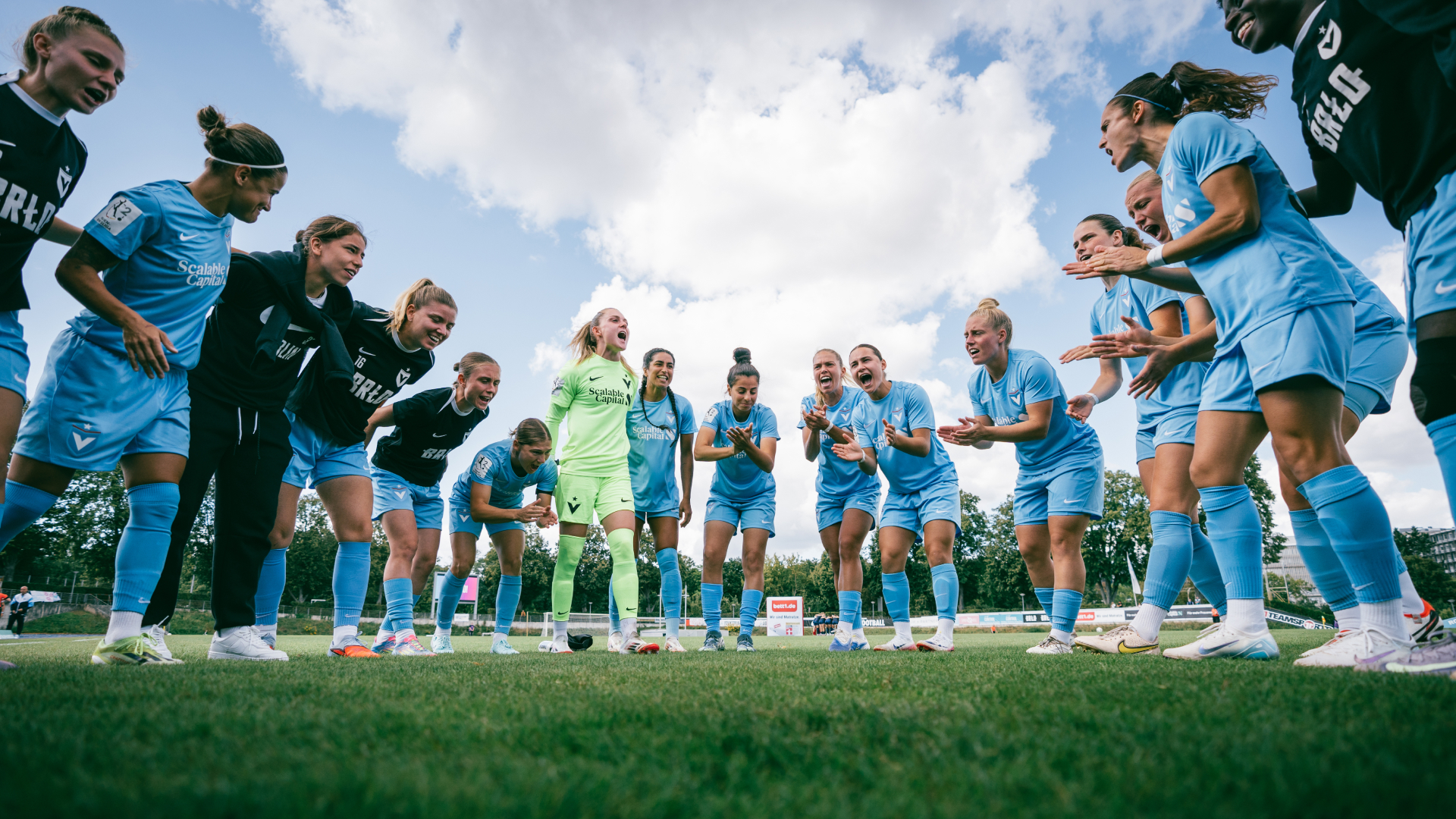
"From the beginning, there was chemistry," Währer says. "And then both sides said: let's do it."
Why being independent turned out to be an advantage
Germany's women's soccer landscape is dominated, at the top, by clubs whose women's teams sit inside large men's organisations. Bayern Munich, Wolfsburg, and others have infrastructure and resources that smaller independent clubs cannot match.
But Währer argues that independence created something those clubs cannot easily replicate: direct access. An investor interested in women's soccer and only women's football does not have to navigate the politics of a men's club where external investment carries uncomfortable connotations for fans.
"FC Viktoria Berlin is so interesting to external investors because we are independent," she says. "They talk directly to the women's team, directly to the decision-makers. At the big traditional clubs, investors who want to support only the women's team face a lot of complications. For a lot of fans, investors don't have the best reputation in Germany."
She also points to Berlin itself as an asset. The city is the only genuinely international city in Germany, she argues, with the cultural weight and community diversity to grow a women's soccer brand beyond the domestic audience. FC Viktoria Berlin plays in the second division but thinks in terms of a city that is the fifth largest in Europe and does not yet have a soccer club at the very top of the game.
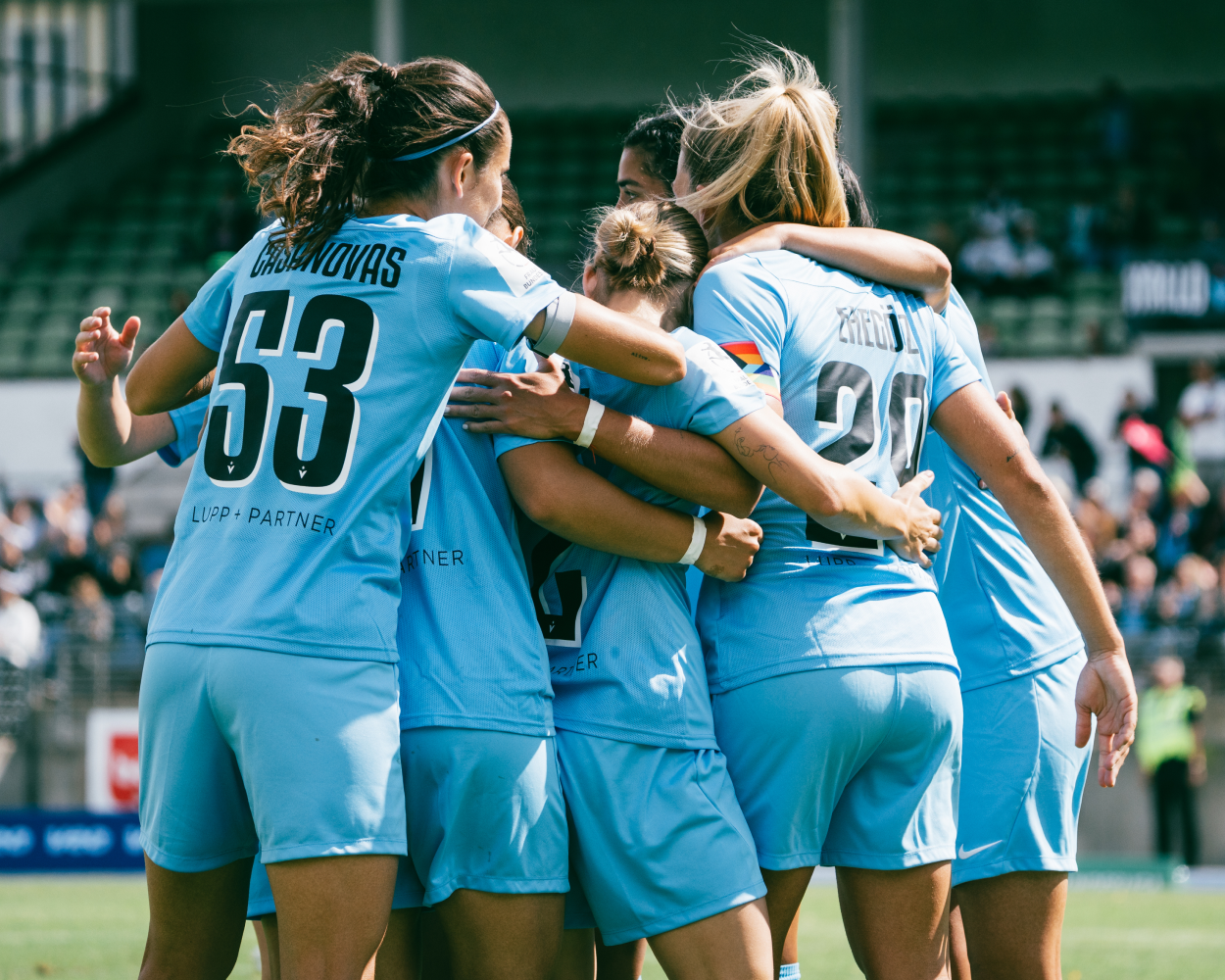
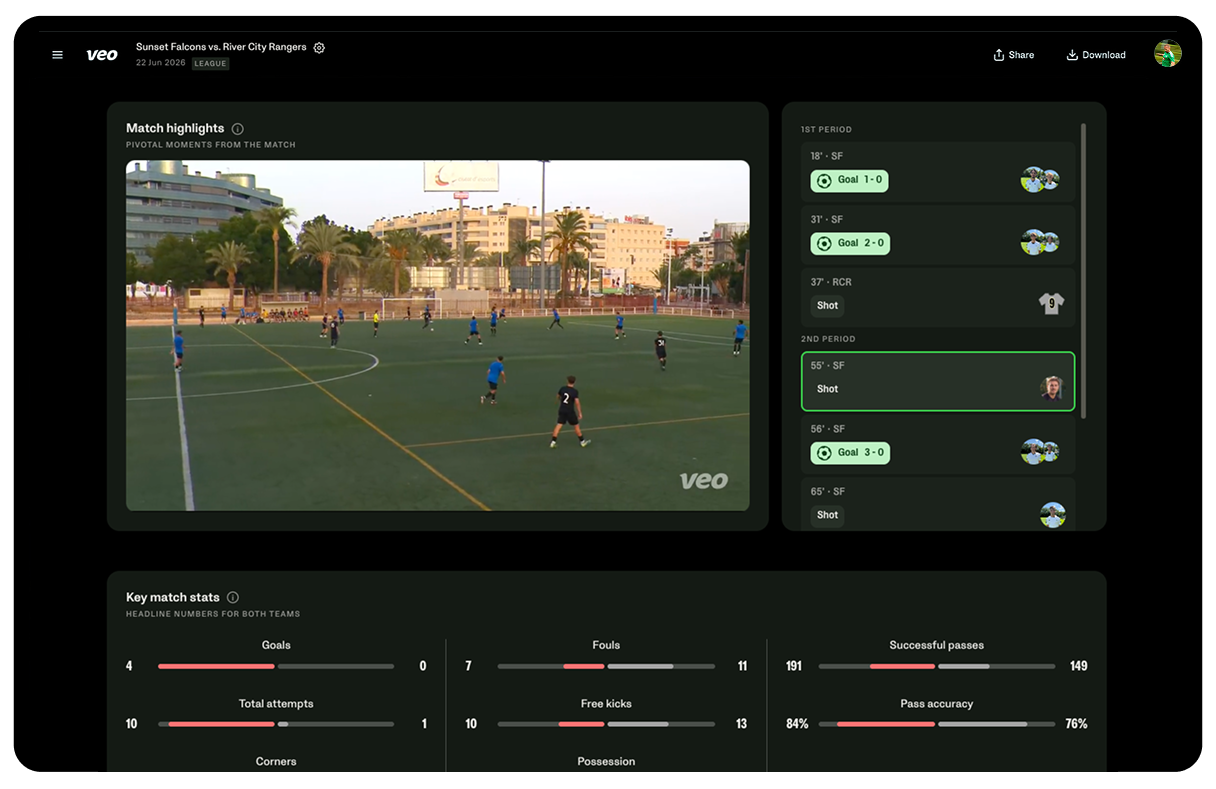
In the summer of 2023, Veo and FC Viktoria Berlin announced a partnership, which means the club will record all matches using Veo's AI cameras. We visited the club to learn more about the unique structure and how they’re paving the way for women’s soccer in Berlin.
Read Inside the game changers from FC Viktoria Berlin
What happens next
The ambition has not changed with the investment. Währer is clear that the goals, promotion to the 1. Frauen-Bundesliga and, eventually, the Champions League, were always there. What has changed is the expectation of how quickly they move.
Monarch's involvement is also a first step into Europe for the fund. FC Viktoria Berlin gives them a foothold in the German market, which Währer describes as having enormous untapped potential. This is despite Germany's 50+1 rule, which limits investor control in soccer clubs and makes FC Viktoria Berlin's independent structure particularly attractive.
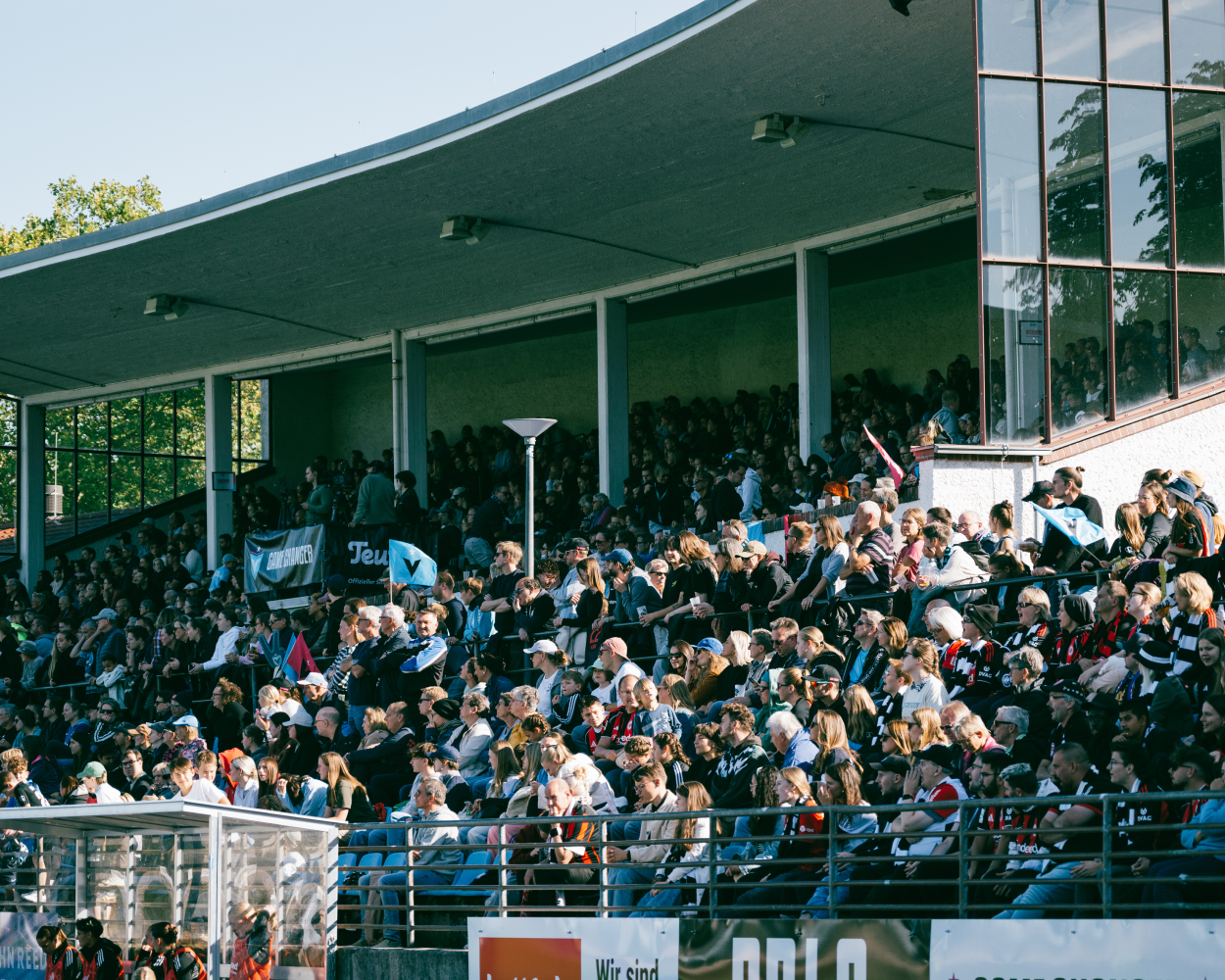
The practical work of growth runs in parallel. On the pitch, the club finished its first season in the 2. Frauen-Bundesliga with a draw against league leaders from Stuttgart despite the difficulties of adapting to a higher division. Off the pitch, a new partnership with Deutsche Bahn covers travel costs for certain away matches across Germany, a significant line item for a club now competing from coast to coast.
The exchange with Monarch's other clubs is still early. FC Viktoria Berlin plans to visit Los Angeles in the summer or autumn to meet the teams in Monarch's portfolio and understand how NWSL clubs grow their brands and develop their squads. Währer is clear-eyed about the differences between the American and German models. The knowledge transfer will need to be filtered.
Women's soccer is growing. The question is how.
Across Germany, the clubs in the top women's leagues have founded their own nonprofit to manage and develop the league, a move that puts them in tension with the DFB over what was originally intended to be a joint venture. The structural future of German women's soccer is unsettled.
Währer watches that process carefully. Her view is that the next few years will be decisive, not because the growth is in doubt but because the model for how it happens is still being written.
"More and more people understand that women's soccer is not men's soccer," she says. "It needs to be approached differently. It needs to be built into something new."
FC Viktoria Berlin has been arguing that since the summer of 2022. Now they have a co-founder of Angel City on their side to help prove it.
Photos: Kai Heuser and Julia Haake



.jpeg)