From the temples of world football to NYC Footy
Frederik Hvillum
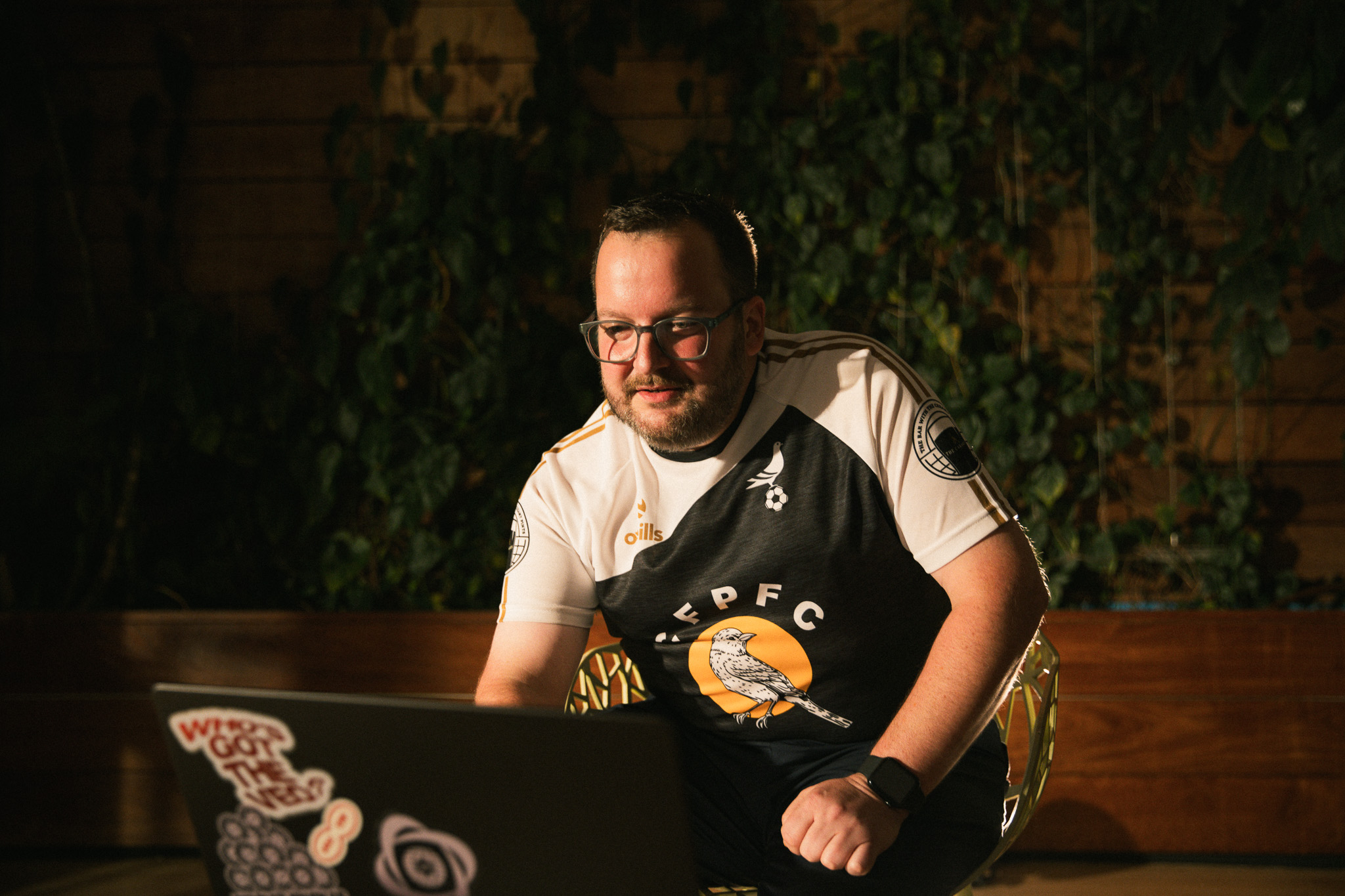
Kevin Burke and Bobbie Byrne play in NYC Footy. They saw their own games in Veo's Match Report for the first time, and found out what they do well.
One Sunday, Kevin Bergh's team played Yacht Club on Pier 5 in Brooklyn Bridge Park, and the game ended in a draw. Bergh captains and coaches KFC, one of the teams in the NYC Footy league, and Yacht Club are old friends and rivals. "It couldn't have been a better result," he says. "They're wonderful people."
Bergh is a chef in his forties. He grew up in St. Louis, played at Saint Louis University and then stopped for years after injuring his knee. He returned to the game through a group of friends he met watching the Premier League in a pub, and he's played in The Footy League for a decade.
Being a coach on the pitch has always come with a gap. "I don't have a statistician sitting there with me on the sideline recording who has the ball, when, and how many touches we had versus how many touches they had," he says.
After the Yacht Club game, Veo showed him the match in Match Report.
The draw, from above
"My first impression is wow," Bergh says. "I've never been able to see my match like this. When you're in it, it feels so much different than when you're seeing it here."
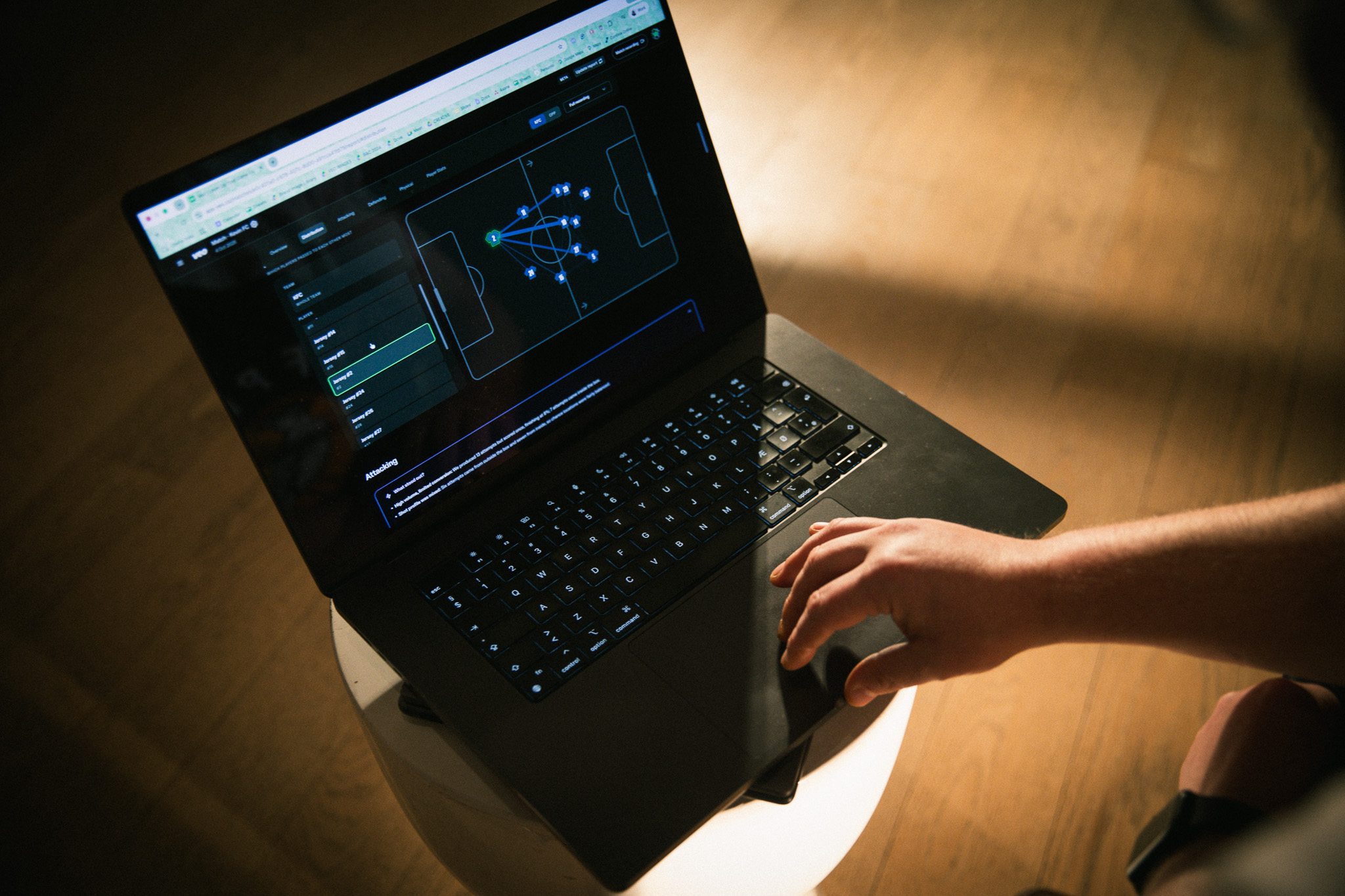
He went through it the way he would go through a halftime talk. He wants his defenders to look up and pass through a press. In one highlight, he followed the ball from a steal in midfield back through the defense and out to the wing. "I think every player on the field touched the ball there," he says. "That's what I want my team doing."
The report also showed what the draw had hidden. KFC had more of the ball and more chances, but converted few of them. Yacht Club took fewer chances and finished better.
"This shows me what we can work on is our conversion rate," Bergh says. "Staying calm in front of goal, making sure we know what our options are. Is that shot inside the box the best thing to do at that moment? Is there someone making a run?" Shot selection became the focus for the week.
The passing map gave him another job. Most of KFC's successful passes went down the left wing. "It looks like our bread and butter is right here," he says. "But it also tells me we can work on playing it out to the right more. That can keep our opponent honest."
The defensive numbers told him the rest. Yacht Club had taken every one of their shots from outside the box. "We defended well as a team," he says. "That's what I want from my team."
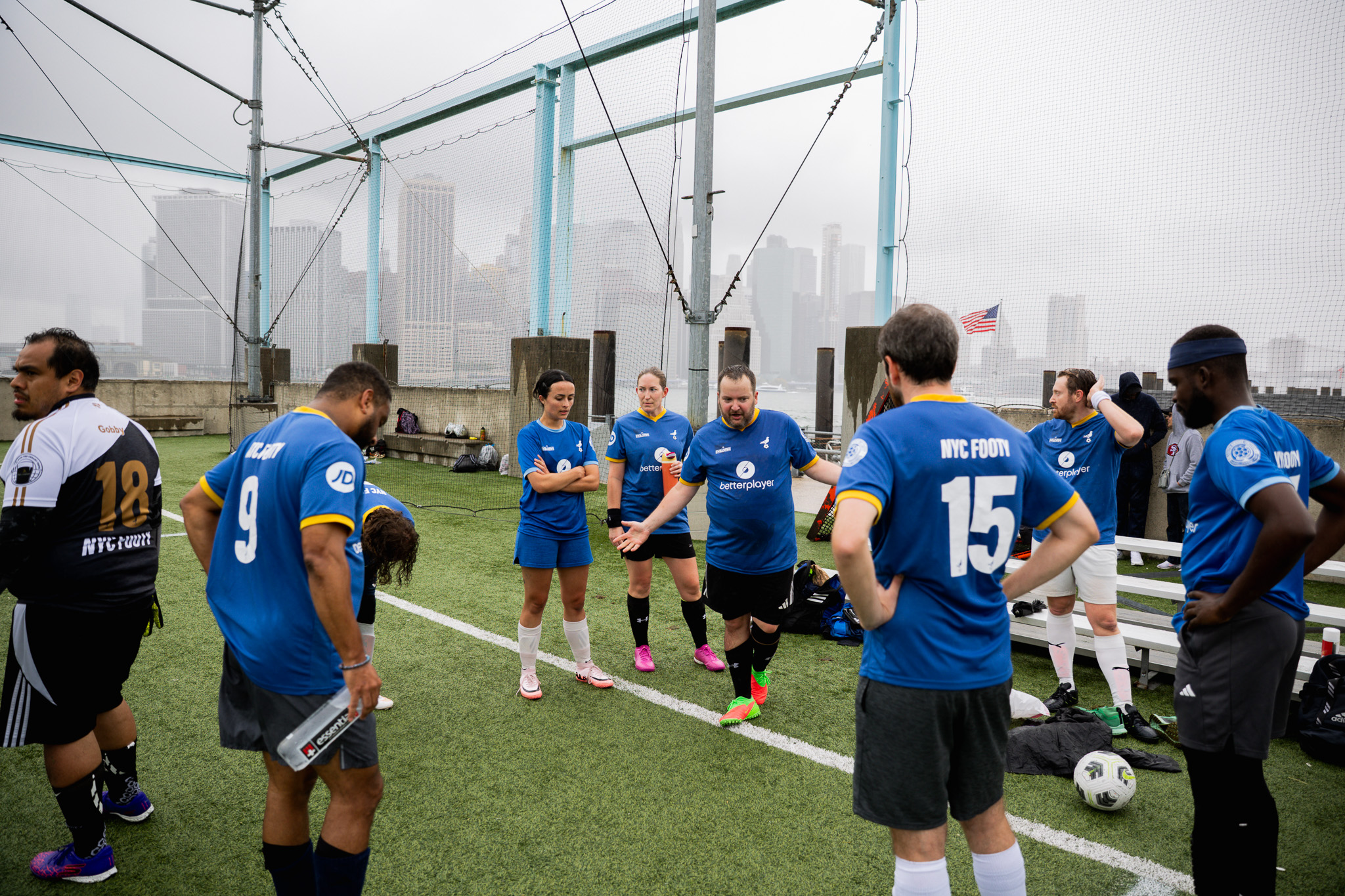
As a player-coach, he cannot see everything. "There's going to be things that I don't see on the field, especially as someone who's on the field," he says. "This allows me to go back through these highlights and look at them precisely."
Settling it at the pub
KFC talk tactics for hours after every game. "Do we ever do that on the field? I'm a little dubious," Bergh says. Match Report gives those conversations something to go on, down to each player's passing map and the distance and sprints of every player on the field, without anyone wearing a GPS vest.
"Even with a statistician, I can't get that kind of information," he says. "And this is going to settle so many debates at the pub. Well, I had so many passes. No, I had more passes. Well, it's right here."
He finished with a message to one of the game's most successful managers. "Eat your heart out, José Mourinho. I'm coming for you."
The first look at Match Report
Bobbie Byrne moved to New York from Southern California in 2022. She played until she was 14, stopped, and joined The Footy League in the spring of 2023 to meet people. She now plays on other teams on different days of the week, all over the city.
The league requires at least two women on the field at all times, and Byrne has used that to play more. Teams post on the league's forum when they need subs, and teams she has played against have asked her to join them. "It's been really fun to take advantage of that and really just expand my horizons and play everywhere and meet everybody," she says. Her Sunday team, Exceptional Women, Average Men, is one of the league's original teams and has at least as many women as men on the field.
"I think it makes New York feel a lot smaller," she says.
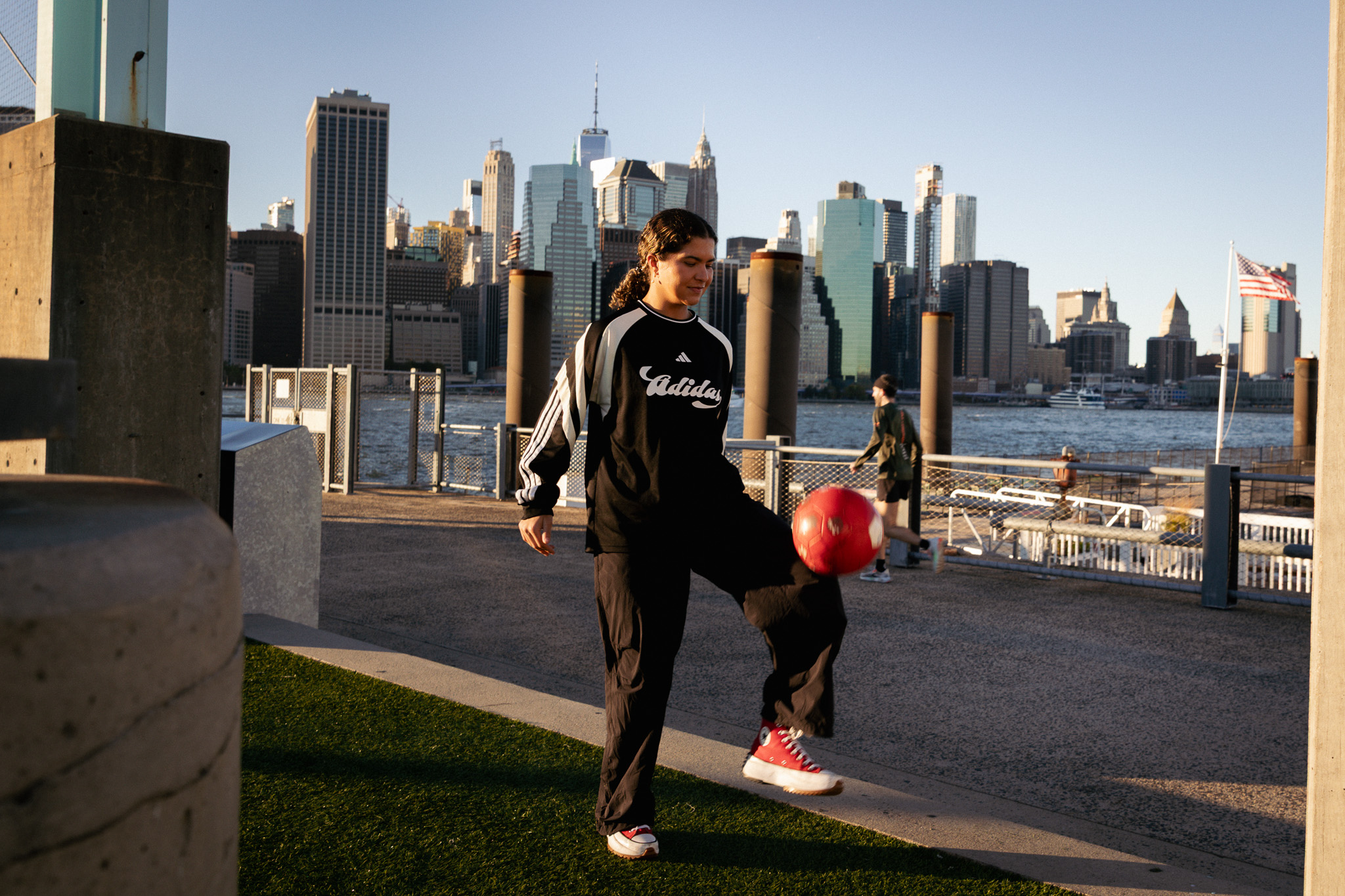
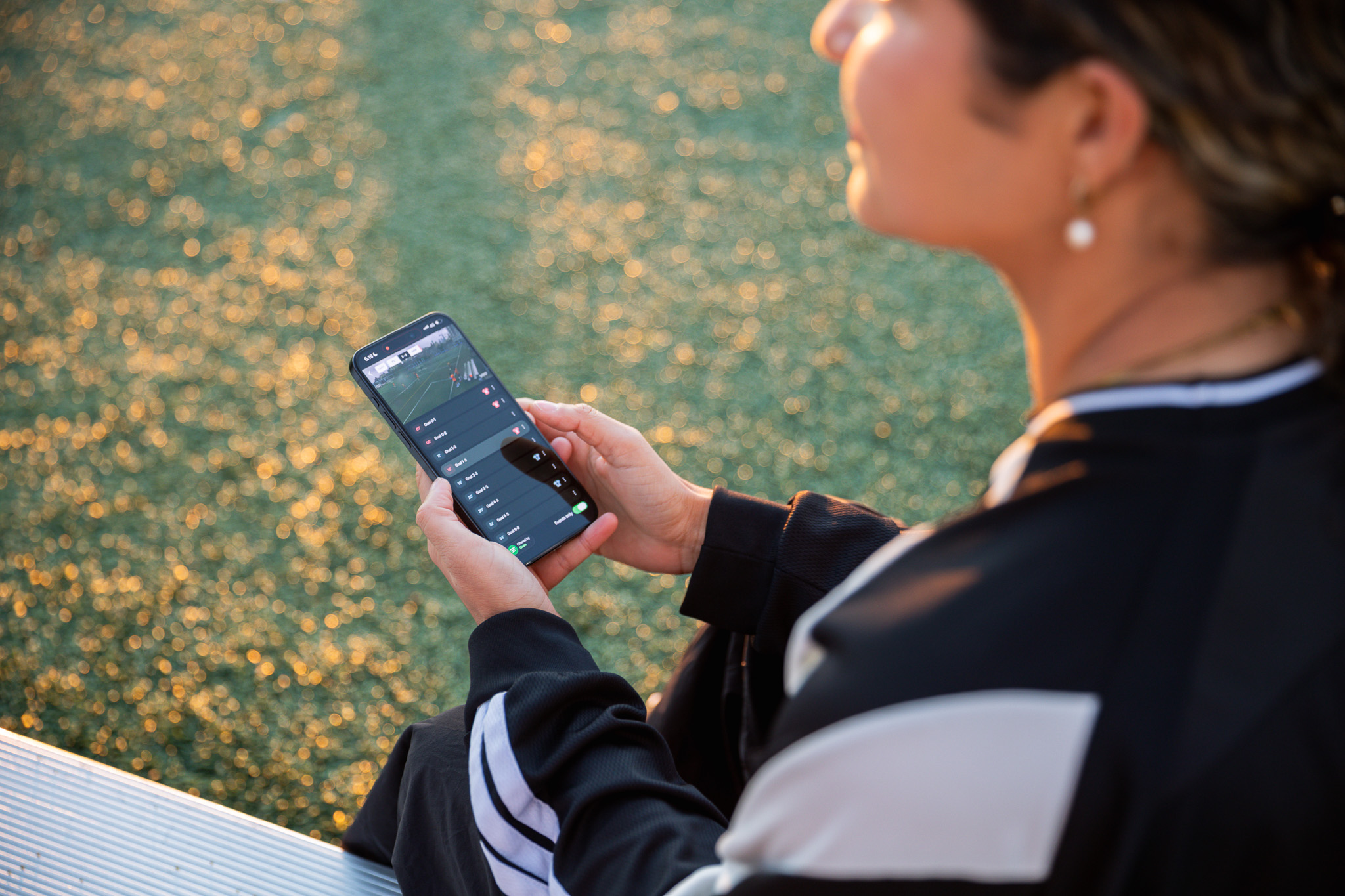
She had never watched herself play before. Veo recorded two of her games with a team she had joined as a sub, and she went through Match Report for the first time on camera. She found her own sprints and distance, then the team's connected passes, which show how often a team strings passes together.
"There are times when my Sunday team just wants to slow the game down and possess," she says. "So being able to see that is pretty cool."
What you remember, and what happened
For Byrne, the value is in the gap between memory and footage. "It's fun to play in the moment and then to watch back and see how you remember moments and then how they actually are," she says. "Okay, I remember that moment. This is how it played out. Or, I tried that, and it didn't work out. Oh, this is why. Maybe the positioning of this or that."
She has seen people around the league try to film their own games on phones and tablets. "Having it capture the whole field and all the data, that's unbeatable," she says. "You don't have to do anything."
She also wants to check the distance against her own watch, and she knows a few teammates who will turn the clips into videos for the team's Instagram. Like Bergh, she expects the numbers to end a few arguments. "It gives you all the data, so there's no room for argument anymore."
A statistician for everyone
Bergh thinks the biggest change is who gets this kind of information.
"This is the kind of technology that maybe you used to only see at the Camp Nou, at Old Trafford," he says. "It's bringing it from the temples of world football right down to Brooklyn Bridge Park, right down to The Footy League on Sundays."
He also thinks it will push the game forward in the US. "The more of us that have it, and the more our opponents have access to it, the more it challenges us to get better," he says. "The Footy League now has a full-time statistician, and it's wonderful for all of us."
How Match Report works
Match Report builds a one-page report from a Veo Cam recording, with no wearables and no one tagging the game.
It starts with a short summary of what decided the match, then breaks it into highlights, shots, passing networks, heatmaps, defensive actions and physical data for each player. Every stat links to the clip behind it, so a coach can tap a number and watch the moment it came from.
Match Report is part of Veo Analytics 2 and works for football. Product manager Beatrice Barlassina explains why Veo built it and how coaches shaped it.