How England Futsal Uses Video Analysis to Develop Players
Frederik Hvillum
.jpg)
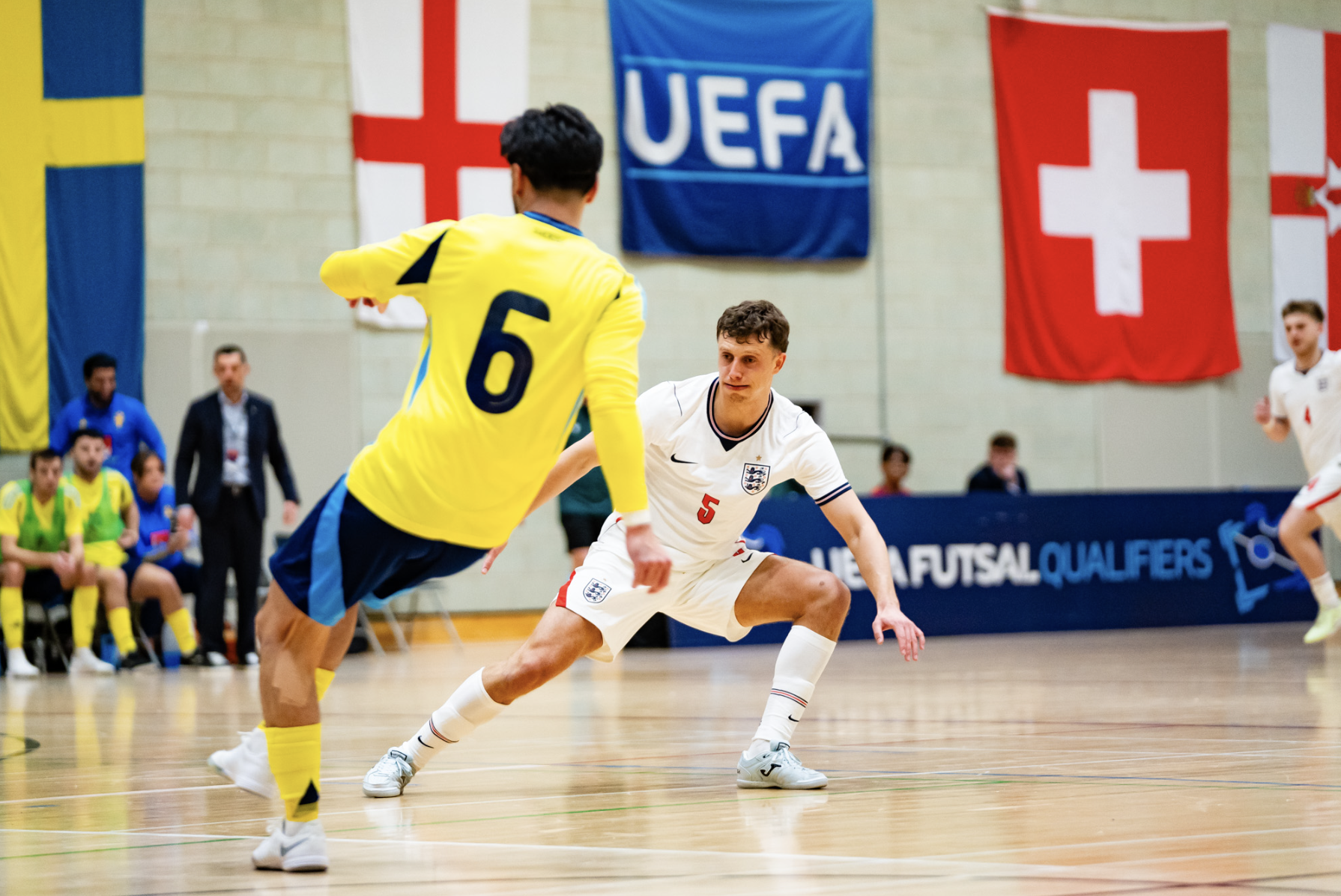
Sion Kitson, Head of Development and Technical at England Futsal, explains how video analysis builds players, coaches and a futsal culture across England.
A 15-year-old in Portugal or Spain can watch top-level futsal on terrestrial television pretty much every week. A player the same age in England cannot. For Sion Kitson, Head of Development and Technical at England Futsal, that gap explains why video analysis matters so much to the national pathway.
"If you're a 14, 15, 16-year-old in Portugal or Spain, you will see top-level futsal the same way we see Premier League football week in, week out on your terrestrial television. We don't have that," says Kitson. "It's a cultural function as well. We're immersing them in the game and helping them to understand it."
England Futsal has no lead analyst. Kitson, the lead coaches and a group of volunteers capture, upload and review the footage themselves. Every clip they share links back to one long-term player development guide.
A small team with a national remit
Kitson has worked in the role full-time for two years. He has been involved with the national teams as a performance coach for a decade, since before England Futsal existed and the game sat directly under the FA.
He leads an executive team of three. England Futsal is a national delivery partner to the FA, which remains the governing body. The team's job covers the whole game, from the national teams and performance pathway down to schools, local projects, coaches, referees and competitions.
The youth game is growing. England Futsal's youth development network has doubled in size over the last 12 months. There are strong pockets of activity in the North West, Newcastle, Durham, parts of London, the East Midlands, the M4 corridor and the South Coast, with gaps elsewhere. England Futsal has also recently become the operator of the elite domestic league, the national futsal series, running tier one and tier two competition for men and women.
Why does video analysis matter more in futsal in England?
Players who join the England Futsal performance pathway know the game. Their level of understanding differs from players who grow up surrounded by an elite domestic league.
Video closes part of that gap. The staff share clips of players from training and matches, alongside best-practice examples from the top level of the international game. The senior teams act as role models for the younger groups, which include the under-17s and under-19s and a newly established under-23 group that helps provide players a pathway to move towards the seniors. The same structure runs across the male and female pathways.
"To have that equipment, that functionality in place allows us to go on that journey with those players and coaches," says Kitson.
.jpg)
How the Pride DNA framework shapes every clip
England Futsal's player development guide is called the Pride DNA. Kitson describes it as the pathway's north star. It covers four areas. Technical excellence, game sense, athletic dominance and emotional intelligence.
Coaches frame video feedback around those four areas. A conversation about athletic dominance might use clips of a player's change of direction, deceleration and acceleration, then link them to how the player defends an opponent. If the same trend shows up across the squad, the clips become team material.
"There is a line and a link back to a longer-term vision, which is ultimately the Pride DNA," says Kitson.
The framework sets the direction. How the analysis looks depends on the player.
"What does a 16-year-old girl in our under-17s programme look like, and her journey working towards the Pride DNA, versus a 34-year-old in our senior women's programme? It will look different, and that's fine. They're on a similar yet unique journey," he says.
Breaking futsal down into game moments
Below the Pride DNA sits a second layer the staff call game moments. In possession, out of possession, set pieces, transitions and futsal's special situations, such as power plays.
Set pieces get particular attention. Futsal will often have over a 100 restarts per game that a single match produces a dozen to 20 set-piece clips. Over time, those clips build a catalogue of best practice and areas to develop.
Most of the analysis time goes on individual players. A smaller share goes on small groups built around roles. Goalkeepers from the under-17s, under-19s and the under-23s review the same trends together. Pivots, futsal's centre-forwards, work on clips about shooting, finishing and receiving. Team strategy and game-plan clips come in mainly around international competition.
"A picture paints a thousand words. A five-second video will often eclipse 10,000 words in terms of the different learning perspectives it can offer a player," says Kitson.
Record futsal matches automatically and capture every goal, nutmeg, and match-winning moment.
Read more about Veo and futsal here.
Video feedback on court during training camps
Futsal is an indoor sport, and England Futsal uses that to its advantage. At training camps the staff connect laptops running Veo to TVs at the side of the court, so players see clips during the session.
In May, 30 goalkeepers came together for a camp. Coaches generated clips from that morning's work and from previous camps, then reviewed technique and decision-making with the goalkeepers on court.
"We were able to show best practice, show them there in the moment and go, 'Hey, look, we can look at technique. We can look at tactical decision-making there in the moment,'" says Kitson.
Away from camp, players receive sets of clips with individual or group tasks to discuss when the squad meets again. Before on-court sessions, coaches run video sessions linked to the topic of the next training block. Kitson's staff are now testing different formats, from coach-led clip reviews to small groups talking a clip through with each other.
"What we are trying to get better at is understanding which learning journey, which way we're going to serve these clips up, in order to best meet the player’s needs," he says.
Three priorities for the next 12 months
Kitson has set three priorities for video analysis at England Futsal.
- Align the coaching team around a common approach. The staff will pick two or three methods, use them in depth, review them and adjust fast if they fail.
- Make interaction with individual players smoother, through alerts, conversations and analytics around clips.
- Go deeper with live feedback on court, building on the results from the goalkeeper camp.
With the national futsal series now under its management, England Futsal also plans to share its methods with clubs.
"Many of them do utilise Veo, and sharing how we are utilising it to support players, coaches and teams more broadly is a fantastic opportunity," says Kitson.
How Veo supports futsal video analysis at England Futsal
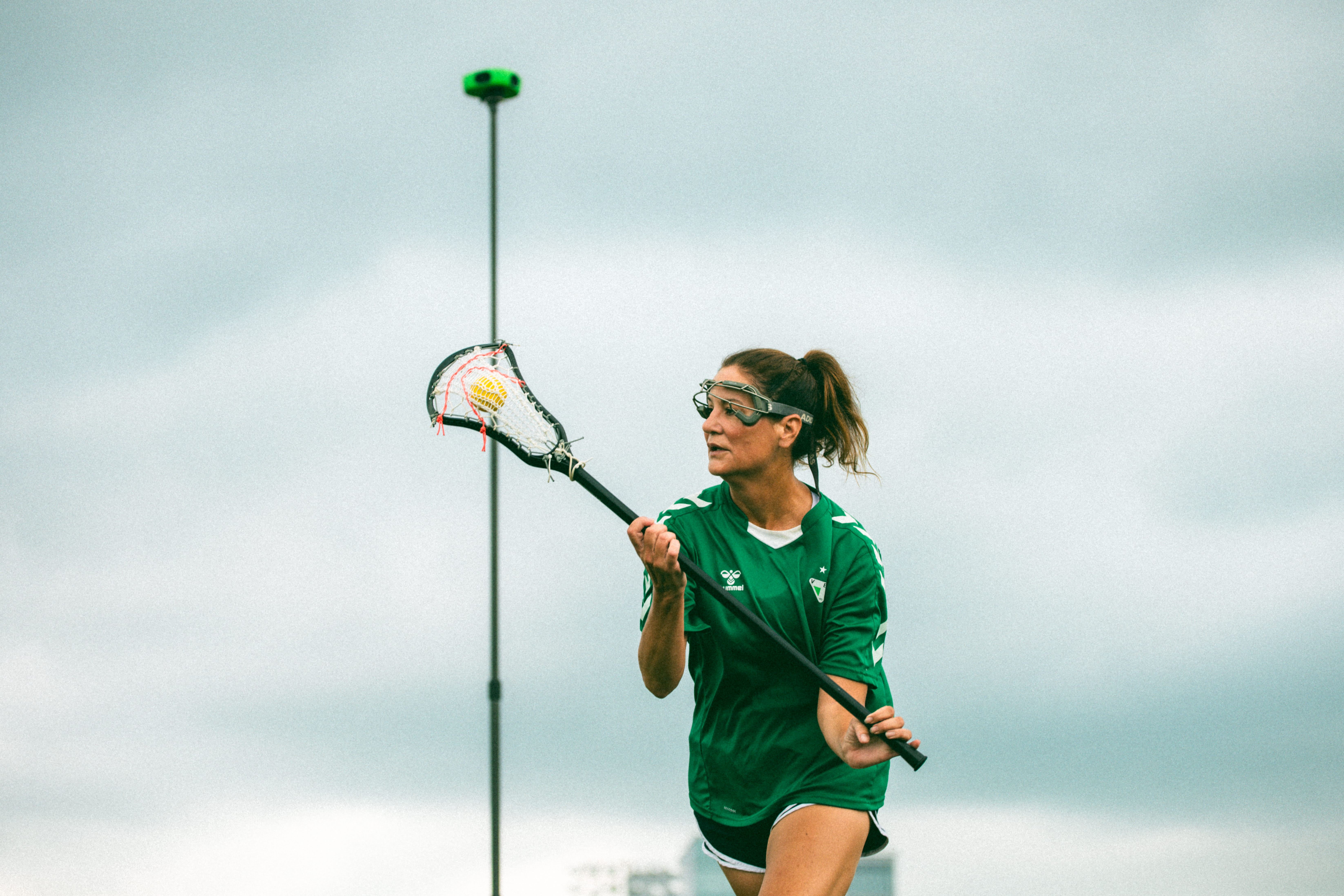
Veo is an AI-powered sports camera that records matches and training sessions automatically. You set it up at the side of the court and the camera follows the play by itself, so no one needs to operate it.
After the session, the footage uploads to the Veo platform. Coaches review the full session, clip key moments, tag them and share them with players. For a performance pathway without a dedicated analyst, that lets coaches and volunteers run the full analysis workflow themselves.
At England Futsal, Veo also supports feedback during sessions. Coaches connect a laptop to a TV courtside, generate clips from the morning's work and review them with players before the next practice. Players see their own technique and decisions while the session is still fresh. The same clips then feed individual development plans built around the Pride DNA.

FAQs
England Futsal frames video analysis around its player development guide, the Pride DNA, and around game moments such as in possession, out of possession, set pieces, transitions and power plays. Most of the time goes on individual player development clips, with smaller group sessions for roles such as goalkeepers and pivots, with a greater focus on team clips during competition periods.
Yes. Because futsal is played indoors, coaches can connect a laptop to a TV at the side of the court. England Futsal does this at training camps to review clips with players during the session.
Futsal produces a large number of restarts in every game. One match can give coaches 12 to 20 set-piece clips, which build into a catalogue of best practice and areas to develop.
England Futsal relies on its programme lead, lead coaches and volunteers. An automatic camera and a platform for clipping and sharing footage let coaches capture, upload and review footage without a specialist.
England Futsal uses one framework across its pathway to guide its approach but adapts the analysis to each player. A 16-year-old in the under-17s and a 34-year-old senior player work towards the same Pride DNA with different clips and conversations.

%20(1).jpg)