"Just go and try it. There's never been a better time."
Frederik Hvillum
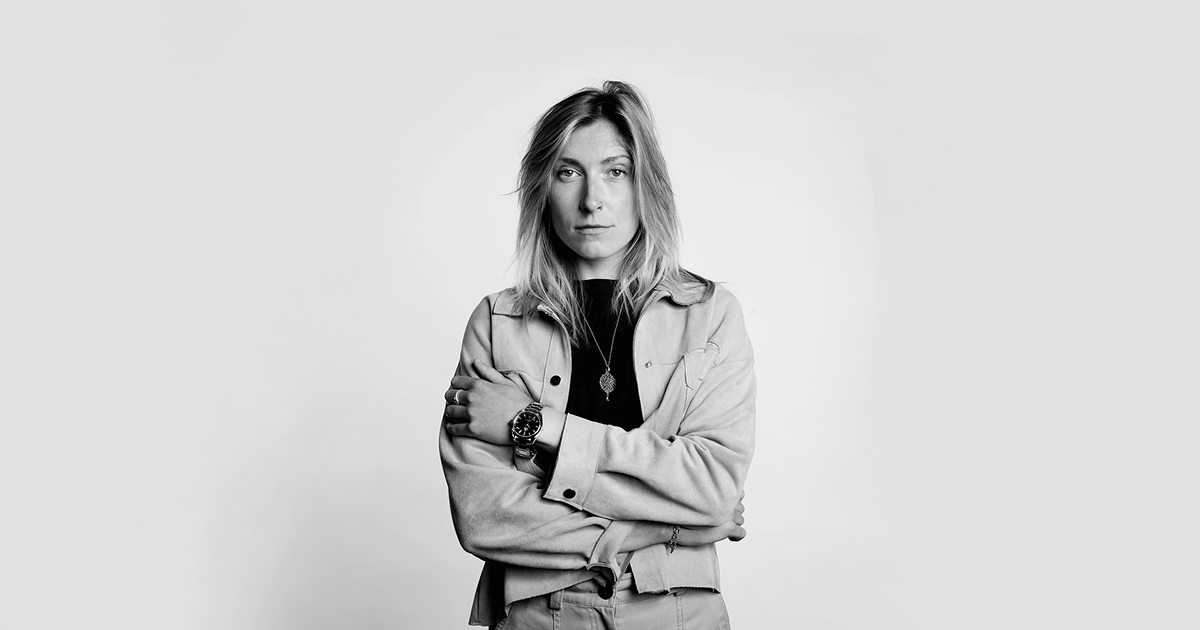
Self-taught photographer Madeleine Penfold has spent her career documenting the people football forgets. On growing up on the sidelines of Manchester, why women's football is about more than the game, and what it takes to make someone feel like they belong in the frame.
Madeleine Penfold grew up in North Manchester. Not far from her house was a big open field where the local kids would come to play. No back gardens, no formal facilities. Just a patch of grass and whoever showed up.
"Football was the thing that we would all bond over and fight over," she says. "I was one of the only girls. Sometimes I was allowed to play, sometimes I wasn't."
It was also the era of the Class of 92. Manchester United on the TV, in the newspapers, David Beckham and Giggs representing something about the city that felt electric to a kid from North Manchester.
"It felt like a vehicle to greatness," she says. "To getting me out of my little field."
She got her first camera at 14. By then, football had faded. The fans she saw supporting United didn't feel like her world. It felt, she says, quite aggressive. Quite male. So she moved toward music, toward culture, toward the things that felt like they had space for her.

It wasn't until she was 27 that she started photographing women's sport. The timing, she says now, was perfect.
What the match camera misses
Today, Madeleine works internationally as a photographer and director, specialising in sports, storytelling and the things that happen around the edges of a game. Commercial campaigns. Community clubs. Grassroots five-a-sides. Elite athletes.
What she looks for is never the moment the ball hits the net.
"Football is the most followed sport in the world," she says. "For that reason it has this huge power to send messages, to bring important topics to the surface and reach such a high volume of people. The club is nothing without its fans, and we live in such diverse communities. I love capturing the differences, the nuances, what the game represents, which is the multitude of people that support it."
The match camera follows the ball. Madeleine follows everything else.
Making the invisible visible
In the early years of Manchester United Women, before the team had a dedicated photographer or any real media coverage, Madeleine volunteered her time. She showed up, asked if she could photograph the games, and started documenting.
"I remember the fans started to follow me on Instagram and they said: for the first time since you've been there, we see ourselves. We feel heard and seen by the club."
The image that stayed with her came later. She photographed five Manchester United players on a throne. The image ended up on the outside of Old Trafford, the week the women's team played one of their first games there. She was there when the players arrived by coach and saw it for the first time.
"Leah Galton said: that is insane. And I wanted that feeling for her. But it also angered me, because she shouldn't be amazed by that. The image of these girls should be projected onto billboards throughout the year, not just on the special occasion that they get to play in the men's stadium."
That tension runs through everything she does. Celebration and frustration at the same time. Pride in how far it has come. Impatience at how far there is still to go.
A room with Hillary Clinton
In 2024, a connection made at the Paris Olympics led to an invitation from women's sports consultant Laura Correnti. Madeleine's photography became the centrepiece of a dinner at Christie's in New York, with Hillary Clinton, asking the question: what's next?
"It was one of the best experiences I've ever had," she says. "A room full of people who hold immense power and have achieved so much in the fight for equality."
The conversation moved around the images she had made, from grassroots community teams in London to elite athletes in the US to regions across the world without the privileges and opportunities that exist in England. Each image carried a story about the journey someone had taken to reach that point.
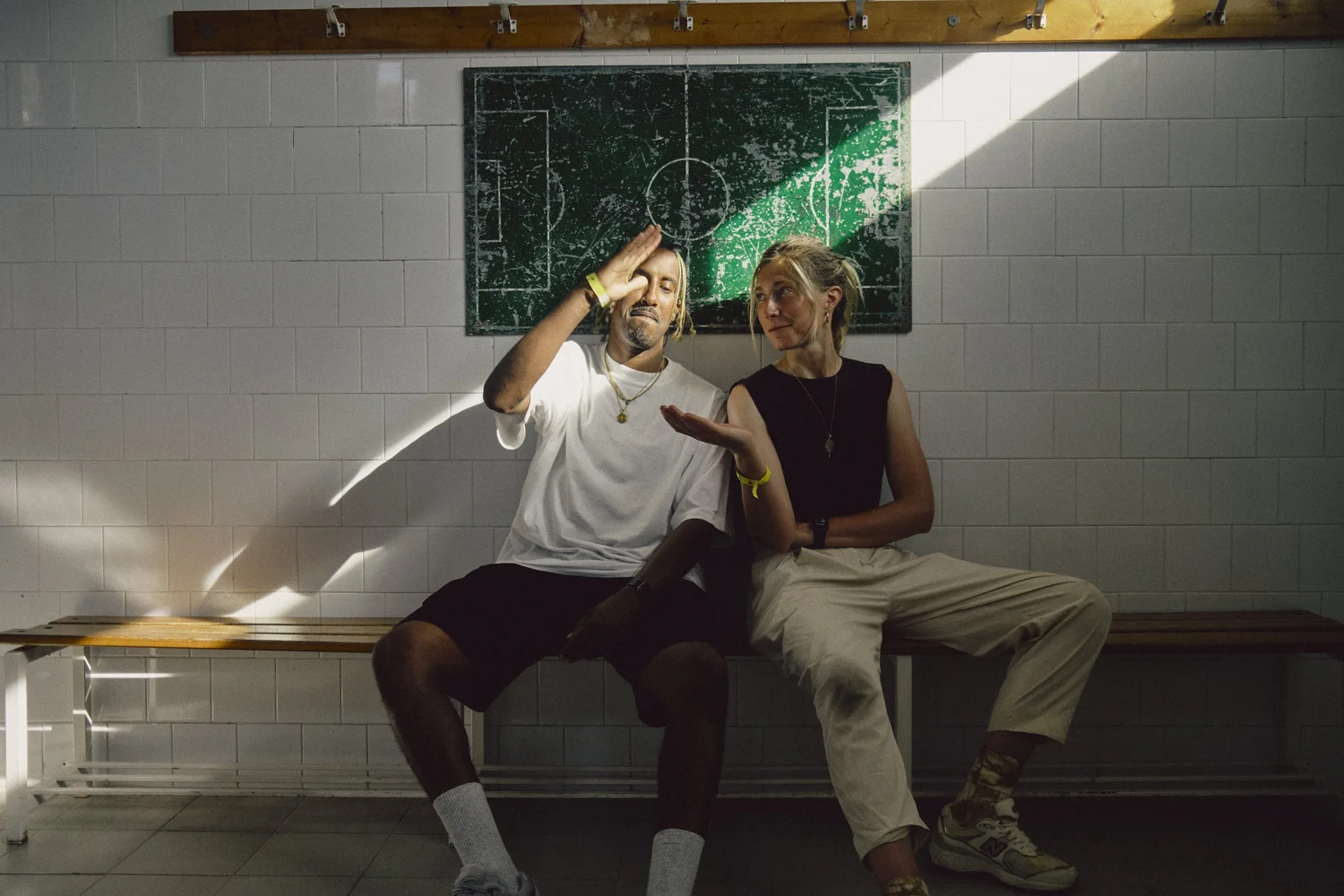
"It felt like: we're here now. Women's sport has arrived. The question was how we keep investing in the communities that need it most, and what everyone in their unique role can do to push it further."
Just go and try it
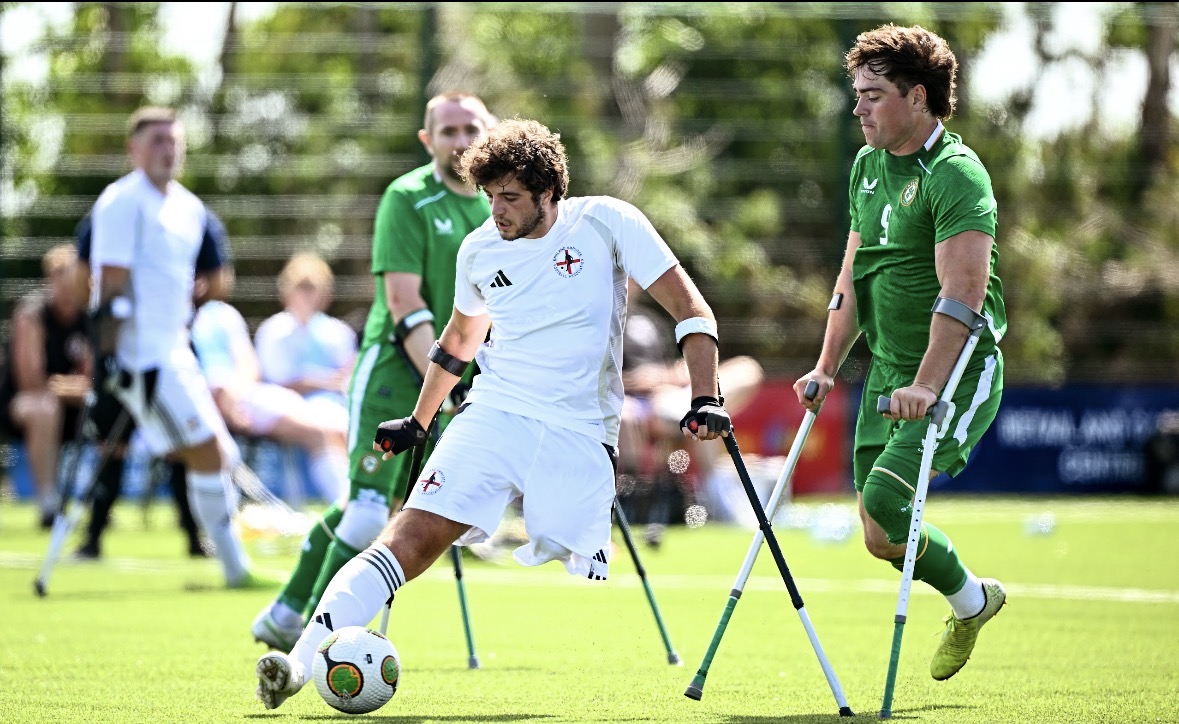
The Sport England This Girl Can campaign she worked on last year commissioned ten years of research into who sport was still leaving behind. The findings pointed to the same barriers that keep showing up: lack of time, lack of income, and lack of representation. Not seeing yourself in something, the research confirmed, means not believing it is for you.
"As soon as you start to see it, and someone starts to remove those barriers, the more easily people can step into those roles and progress," she says.
For a ten-year-old girl standing on the sideline today, not sure the game is for her, her answer is direct.
"Just go and play. If you don't fit into one team or one sport, go to the next one. The culture and feeling can be totally different from team to team. The worst thing anyone can do is ponder on something and not do it, overthink it, when if you just get out and do it, you can quickly realise you love it. There has never been a better time."
She says it with the confidence of someone who once wasn't always allowed to play on the field near her house, and spent the years since making sure other people could see themselves in the game anyway.

.jpeg)