Lacrosse Video Analysis: A Complete Guide for Coaches [2026]
Veo
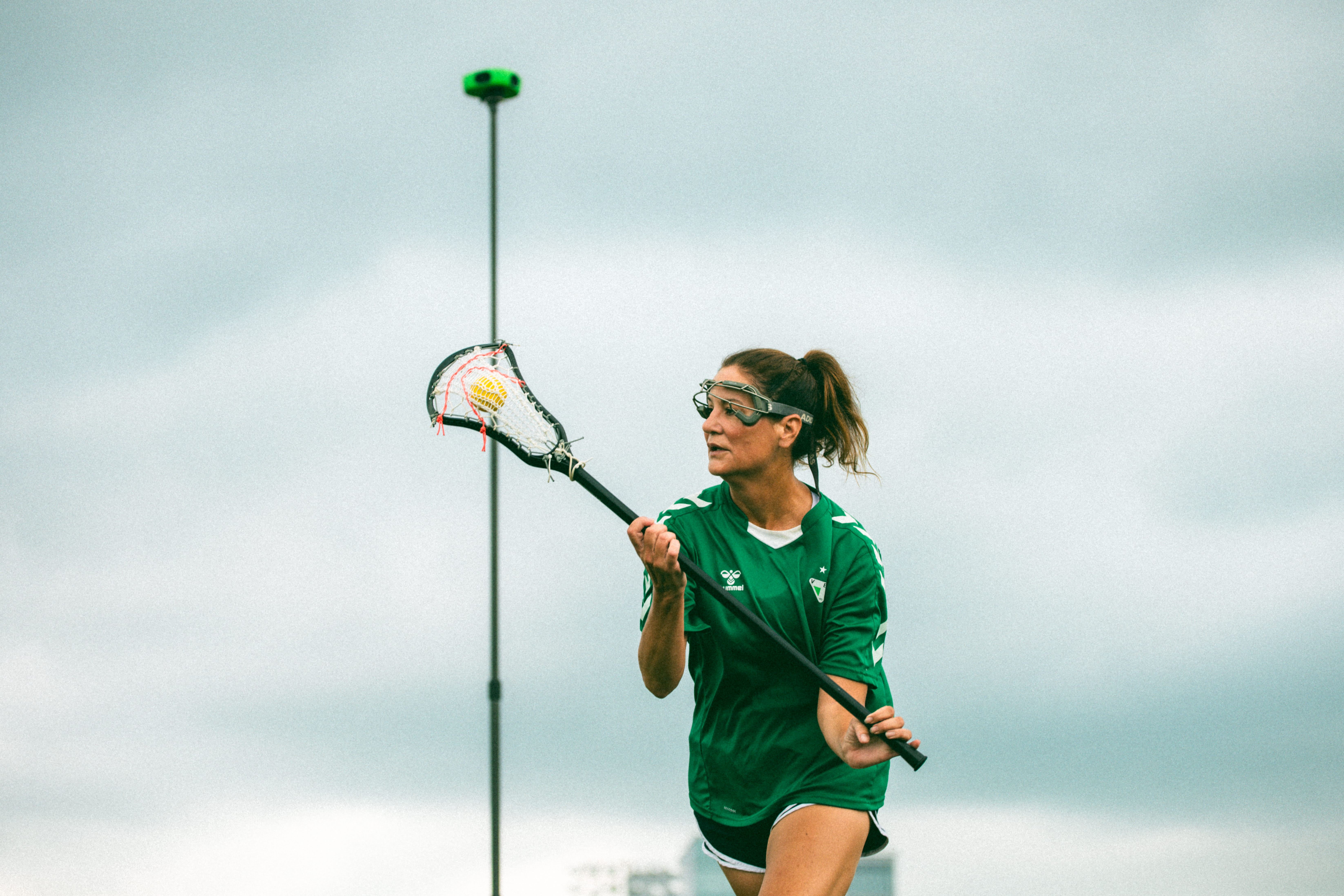
How to use lacrosse video analysis to improve clears, defensive rotations, crease play, and individual development. How Veo Cam 3 covers the full field for coaching review.
Lacrosse is one of the hardest sports to coach from the sideline. The combination of speed, the size of the field, and the complexity of simultaneous movements at both ends means a coach watching live catches a fraction of what actually determines the outcome. A slide package that breaks down because the backup arrives a step late, a clear that fails because one midfielder stopped running to the restraining line too early, a crease attack that creates the right angle but gets fed too slowly. These are the details that live observation misses and video reveals.
This guide covers what lacrosse video analysis shows that live coaching cannot, how to set up a camera for full-field lacrosse coverage, and how to build a review workflow that improves clears, defensive structure, and individual development across a full season. For camera setup and positioning specifics, see the best camera for lacrosse.
What lacrosse video analysis reveals
Three specific areas of lacrosse are nearly impossible to evaluate accurately from the sideline but are clearly visible in full-field video:
Clears and rides
A clear involves all ten players making simultaneous decisions about spacing, cutting angles, and ride pressure responses across the full 110-yard field. A coach on the sideline sees the ball-carrier and the immediate pressure. The full-field panoramic recording shows the entire clear structure: which outlets were open that went unused, where the ride created numbers advantages, and whether the clear pattern the team ran in practice matched what actually happened under game pressure.
Most clear failures trace back to two or three players whose positioning broke the structure five or six seconds before the turnover. These are invisible from the sideline because attention follows the ball. They are clearly visible in the full-field recording.
Defensive slide packages
A slide package depends on every defender executing their assignment simultaneously. The primary slide, the backup slide, and the rotation behind that need to happen in sequence within one to two seconds of the dodge. From the sideline, a coach sees whether the primary slide arrived. The full-field view shows whether the backup was in position, whether the rotation happened, and whether the coverage structure was sound when the slide fired.
The most common cause of a broken slide package is not a slow primary slide. It is a backup who was out of position before the dodge started. Video makes this visible in a way that sideline observation never can.
Off-ball movement and spacing
In lacrosse, the player with the ball dictates where defenders look. Everything happening off the ball is occurring in the peripheral vision of both defenders and coaches. The full-field panoramic recording captures all off-ball movement throughout every possession: who is holding width, who is cutting when they should be holding, who is drifting out of their dodge assignment window.
Lacrosse video analysis framework
Camera setup for lacrosse video analysis
Veo Cam 3 covers a standard lacrosse field from a single midfield position. Position the tripod at the centre of the sideline, elevated as high as possible. From this position, the wide-angle lens captures both goals and the full width of the field simultaneously.
Setup takes under 2 minutes: extend the tripod to maximum height, mount the camera, connect via Bluetooth in the Veo app, check that both end lines are visible in the preview, and press record. The camera runs unattended for the full game. After the final whistle, stop recording in the app and connect to Wi-Fi for automatic upload.
After upload, two views are available in the Veo Editor: the full-field panoramic view for team analysis and the AI-generated follow-cam for individual technique and recruiting reels. For women's lacrosse, the wider field dimensions are fully covered from the midfield position when the camera is elevated correctly. For box lacrosse, position at the midpoint of the boards at maximum height.
Video analysis workflows for lacrosse coaches
Post-game clear review (20 minutes)
After the footage uploads, watch every clear possession using the full-field panoramic view. For each clear, note: did the team get into the correct clear formation quickly? Were all five outlets in their correct positions? Did the ride force a turnover or scramble? Did the clear pattern match what was called? Clip the two or three clears that best illustrate current habits. These clips become the agenda for the next practice clear work.
Defensive slide package review (15 minutes)
Review every dodging situation where a slide was required. For each one, check the sequence: primary slide timing, backup arrival, rotation behind the backup. When a slide package broke down, identify exactly which player was out of position and when their positioning error occurred. Most coaches discover the failure point is earlier in the possession than they expected.
Fast break analysis (10 minutes)
Review every fast break situation in both directions. For offensive fast breaks, check whether the numbers advantage was fully exploited and whether the ball moved quickly enough to prevent defensive recovery. For defensive fast breaks against, check the sprint-back structure and whether the team got back into the correct defensive shape before the first pass.
Individual recruiting clips (15 minutes)
Cut two clips per player per week from the follow-cam view: one showing a strength and one showing a specific habit to improve. Share via a direct Veo link before the next practice. For players building college recruiting profiles, the Veo platform allows them to build highlight reels directly from game footage and share links with college coaches. For more on the recruiting process, visit the Veo lacrosse page.

FAQs
A 20-minute clear review the evening after each game, a 15-minute slide package review before the next practice, and 15 minutes of individual player clips per week covers the most impactful analysis for most programs. Coaches who review consistently in short focused sessions produce more measurable improvement than coaches who conduct occasional full-game reviews.
Players build highlight reels directly from Veo game footage using the Veo Editor. The follow-cam view provides the best clips for recruiting reels: dodging sequences, shooting technique, defensive plays, and athletic moments. Full game film is available via a direct link for college coaches who request it. Players who film every game build a season-long library that gives recruiters a complete picture of their performance, not just a curated highlight reel.
Yes. Veo Cam 3 is designed to cover a full-size lacrosse field from a single midfield position. The wide-angle lens captures both goals and the full width of the field when the camera is elevated correctly on a tripod. For women’s lacrosse, which uses a larger field, the midfield elevated position still covers the full playing area.
The midfield elevated position on the sideline covers the full field from end line to end line when the camera is elevated correctly. Place the Veo tripod at the centre of the sideline at maximum height. This captures both goals, all ten players, and the full width of the field simultaneously. For box lacrosse, position at the midpoint of the boards at maximum height.
Start with clear and ride analysis after every game using the full-field panoramic view. Clears account for a significant percentage of possessions and most clear failures trace back to structural positioning errors that are invisible from the sideline. Then review defensive slide packages for every dodging situation. Finally, cut individual player clips from the follow-cam view for technique development and recruiting profiles. Consistent short review sessions produce more improvement than occasional long ones.

%20(1).jpg)