When Ombold takes the pitch, nobody is left on the sideline
Magnus Holt
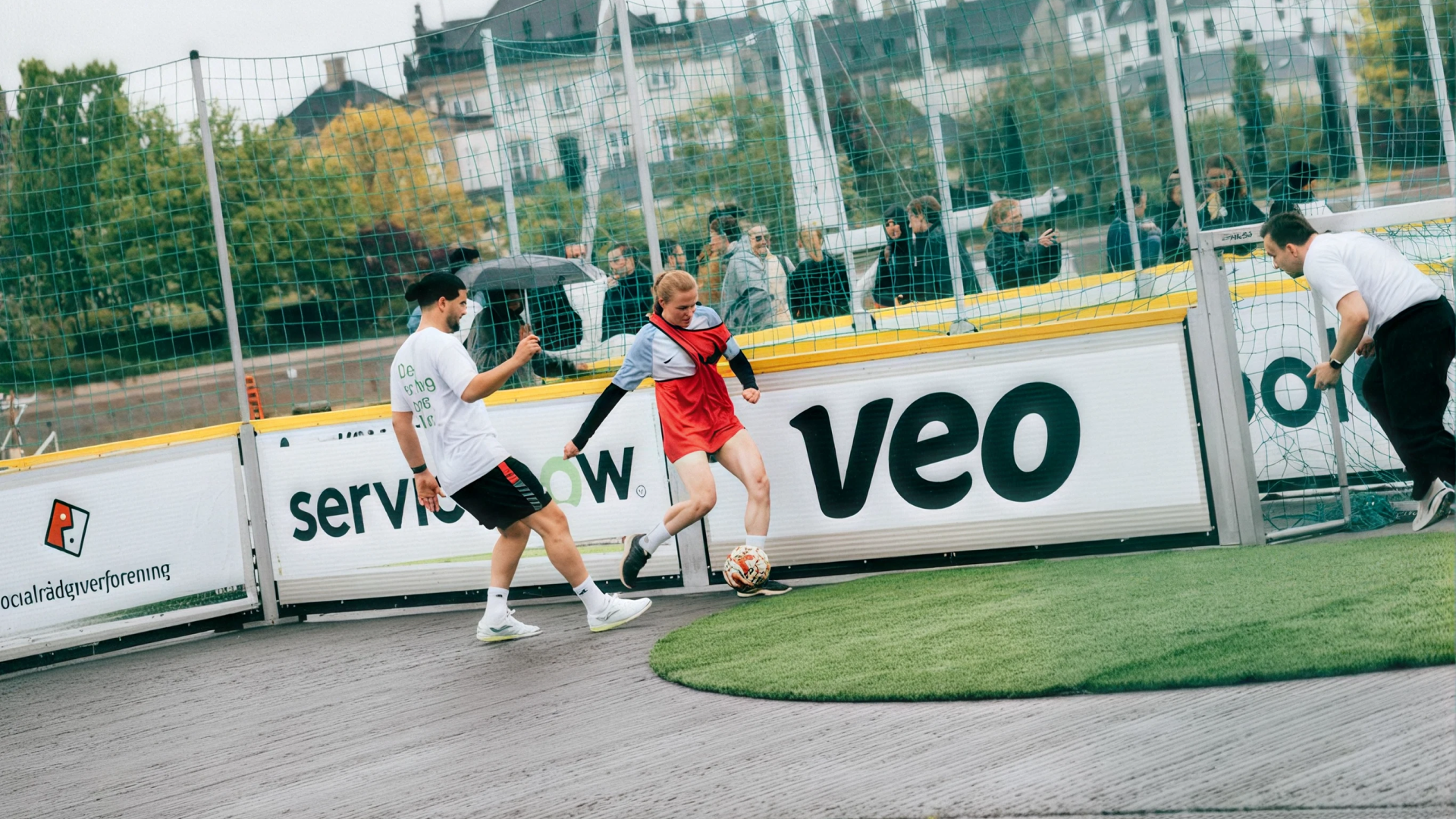
Right outside Copenhagen's city hall, on the tiled ground of Rådhuspladsen, people kept stopping to watch football, locals and tourists both.
On August 20, the square turned into a football pitch for two tournaments in one day, one for Ombold's own women's teams, the other OMBOLD SponsorCup for women, where companies, organizations, and ambassador teams took their turns on the same pitch.
20,000 players engaged
Ombold is a Danish NGO that runs football and other sports for players experiencing challenges such as homelessness, addiction, and mental health issues. Founded in 2003, it has engaged more than 20,000 players in vulnerable positions nationally, under the motto football, community, and change.
"Ombold's purpose is to create the best, most embracing and flexible framework for adults who find it difficult to fit into the established sports club world, which often demands that participants live up to specific requirements around attendance, level, development, membership fees, and so on," says Sine Gadeberg, Ombold's head of communications and partnerships. "In Ombold, you can take part entirely on your own terms, on equal footing with everyone else, regardless of what you're carrying with you, regardless of level or how the day is going. And it's free."
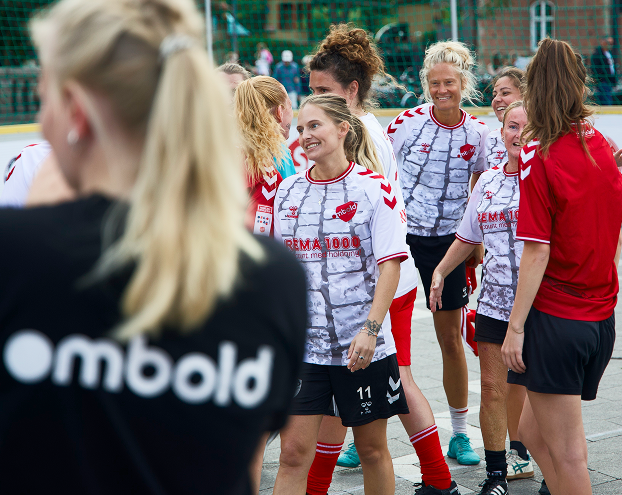
Ombold turned Copenhagen’s biggest and most central square into a boarded-in street football pitch. Gadeberg explains why the tournament opens up to outside teams too:
"Our championships and tournaments are an important part of creating the presence, community, and togetherness that Ombold's work is built on. We believe we create a very particular atmosphere when we run these tournaments, and we want to invite more people into that. We want more people in, because we know we have something quite special."
Family, on and off the pitch
Ombold's players are the ones who built the culture around it, Gadeberg says. "The players are almost like family to each other, and they take incredibly good care of one another," she says. "Maybe because they understand each other, see themselves reflected in each other, and are always met at eye level by both staff and other participants." Every time people in Ombold meet, they greet each other properly, she says, and they hug a lot. New and curious visitors, just there to see if it's for them, get the same welcome.
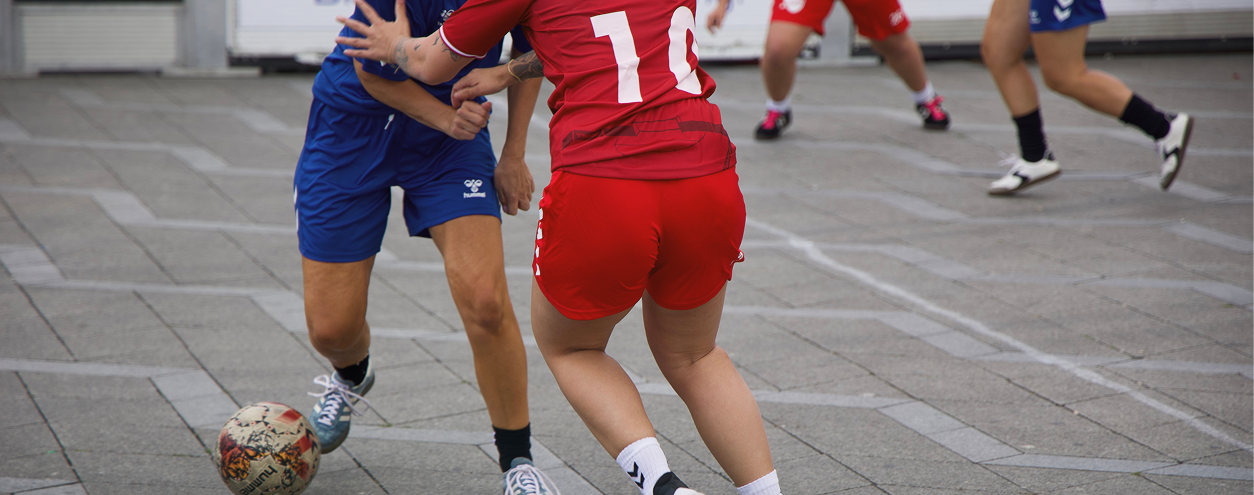
Last year, Ombold recorded more than 18,500 player turnouts across the country and held more than 20 tournaments and championships. The most recent was the Open Copenhagen Championship, with more than 300 players spread across more than 40 teams. "We've experienced significant growth in recent years, both in the organization's presence nationally and in the number of players and their regular attendance at our training sessions," Gadeberg says. "It means an enormous amount to all of us in Ombold to see that our way of running a sports and social initiative creates value and meaning for so many people who don't always find it easy to feel like they fit in, and that they choose to come back, again and again."
The entry fee goes to Mexico
After the cup for Ombold’s own teams finished, the Ombold SponsorCup began. The tournament raises money so the Danish homeless national teams can compete at the Homeless World Cup. In January 2027, that trip goes to Mexico.
Ombold's national team players are selected by the organization's national coaching staff, based on football ability, motivation to change, the capacity to work through old habits and patterns, and a willingness to be part of a team with other players, coaches, and everyone around it. The purpose, as Ombold describes it, is to create positive change in the players' lives and add nuance to how people in Denmark see homelessness, with the players acting as role models for others who dream of a better life.
Gadeberg says watching sponsors turn out for the tournament means a lot to Ombold. "It's fantastic, for several reasons," she says. "We find that the participants at our annual SponsorCup get a taste of that particular Ombold atmosphere. It's as if it rubs off a little. We hope so, anyway. And we're always happy to see a lot of happy people playing football." Many of Ombold's own players turn up at SponsorCup too, she adds, whether as volunteer referees, scoreboard operators, service staff, or just there to cheer. "It becomes a good way to meet across backgrounds, and everyone feels like part of the same purpose," she says. "We're of course also extremely grateful for the financial contribution the sponsors bring. We couldn't run and develop Ombold without such strong and committed sponsors."
Building a team that rarely meets
New homeless national teams get selected every year, and for most of the players, it's the first time they've played together or gotten to know each other, on the pitch or off it. The players come from across the country, and neither Ombold nor the players have the resources to train together constantly. Instead, the whole squad meets for training gatherings four or five times a year, to learn who their teammates are and how to play together.
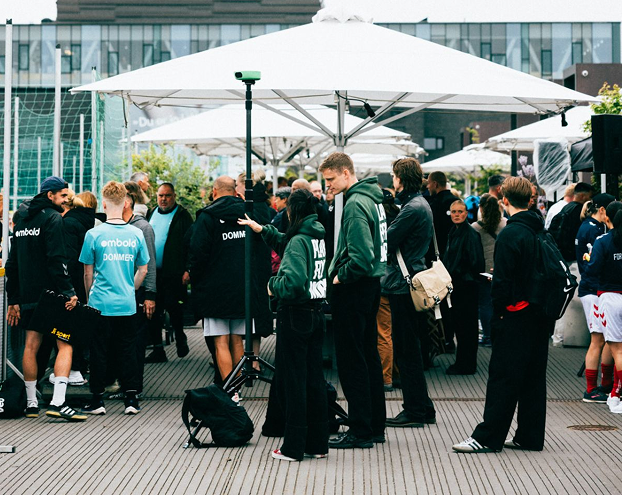
"It's an intense development they have to go through, and hard work ahead of them, mentally, athletically, and socially," Gadeberg says. At this year's SponsorCup, Veo recorded every match the national teams played. "That material gives the players and us at Ombold a completely new tool to work with," she says. "It can offer concrete insight into how the game can improve, both for the team and for individual players. At the same time, it can help the players in the process of being seen and assessed from the outside. It could turn out to be a real gift for both players and coaches." The Ombold spirit runs strong in the national teams’ players, Gadeberg says, and so does the ambition to go far, both at the World Cup and in their own development as footballers.

%20(1).jpg)
.jpg)